Methods and Key Operational Points for Artificial Forced Molting in Laying Hens
Under natural conditions, laying hens generally molt and stop laying after about one year, and the natural pause in laying can last as long as 4 months. At this time, not only is a large amount of feeding cost required, but the laying rate is also extremely low and eggshell quality is inconsistent, which greatly restricts the economic benefits of the poultry industry. Artificial forced molting shortens the molting period and extends the laying years of hens. After molting, the hens lay more uniformly, egg weight increases, and egg quality improves, making it a very good measure. So how should laying hens undergo artificial forced molting? Let's take a look together.
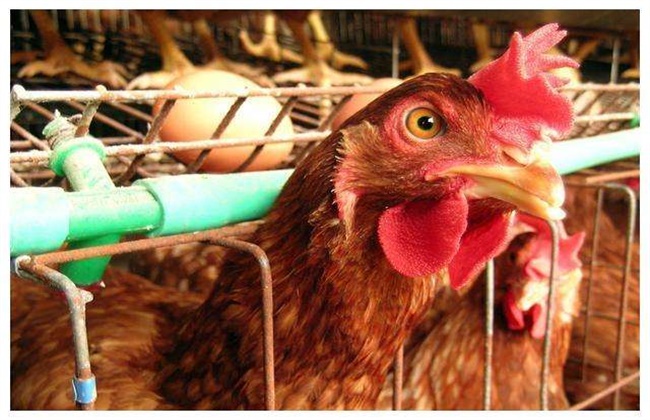
I. Methods of Forced Molting in Laying Hens
1. Drug method
That is, add zinc oxide or zinc sulfate to the feed, with zinc accounting for 2%-2.5% of the feed, and supply it continuously for one week. Starting on the eighth day, feed normal feed. By the tenth day, laying stops completely, and within three weeks they can resume laying.
2. Starvation method
This is a traditional molting method. During the feed deprivation period, it is appropriate for the body weight of the laying hens to drop by one third. After 9-10 days, the light period in the first two weeks is shortened to 2 hours, with only drinking water supplied. After that, increase the light period by one hour each day and provide feed and water, until the light period is extended to 14 hours. The protein in the diet is 16% and calcium is 1.1%. After laying begins to rise again, increase calcium to 3.6%. The laying hens stop laying within one week. Feather shedding begins on the tenth day, and molting ends after 35-45 days.
3. Drug-starvation method
First, stop water and feed for the laying hens for 2 days, and also stop lighting. After that, resume drinking water, and at the same time add 2.5% zinc sulfate or zinc oxide to the feed, allowing the flock to eat freely, and continue feeding for about 6 and a half days. On the tenth day, restore normal feeding and lighting. After 3-5 days, feather shedding and molting begin. Generally, laying stops completely after two weeks, laying can resume after three weeks, and the peak laying period is reached after six weeks, with a laying rate as high as 70%-75% or more.
II. Precautions
Compared with natural molting, artificial molting has the advantages of a shorter time, more uniform laying after molting, increased egg weight, improved egg quality, and a lower broken egg rate, but several points should also be noted. First, the flock should be selected from hens with a high laying rate in the first year, and only healthy hens should be chosen, because only healthy hens can withstand the strong stress of water and feed deprivation. If sick or weak hens are deprived of water and feed, they will die quickly. Molting should also take into account economic factors, flock condition, and climatic conditions. Molting is strictly prohibited in high-temperature and low-temperature seasons. Generally, forced molting is carried out in autumn during natural molting, and the effect is relatively good.
The above is an introduction to artificial forced molting methods for laying hens. We hope it can help you. To learn more related knowledge, please stay tuned to us.