-
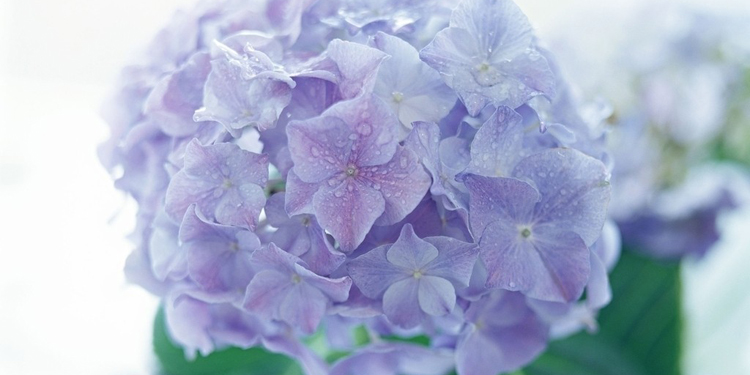
How to propagate hydrangeas? A detailed explanation of common propagation methods
It prefers a warm, humid and semi-shaded environment. It is best grown in fertile, humus-rich, well-drained, slightly clayey soil, with an ideal soil pH of 4.0-4.5. 1. Propagation methods (1) Division propagation is best carried out before sprouting in early spring, and can be done together with repotting by separating the suckering shoots at the roots.
-
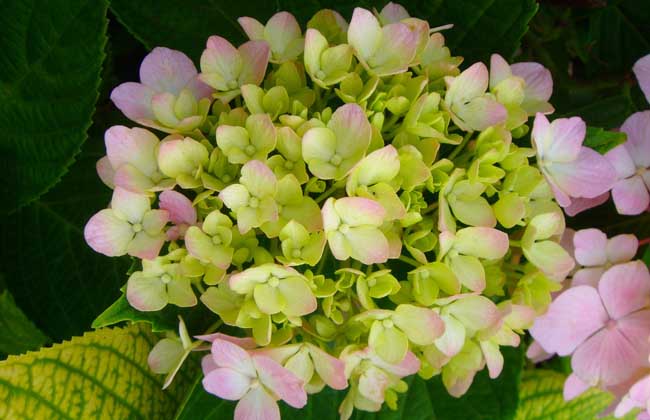
Why won't potted hydrangeas bloom?
Hydrangea, also known as shade hydrangea and zi yang hua, is a semi-evergreen or deciduous shrub with large, opposite, glossy leaves. Its flowers are large and brilliantly colored, and the flower color is variable, changing with the acidity or alkalinity of the soil. When first open they are as white as snow, and later gradually turn light blue or pale red. Each flower cluster can bloom for 1-2 months.
-
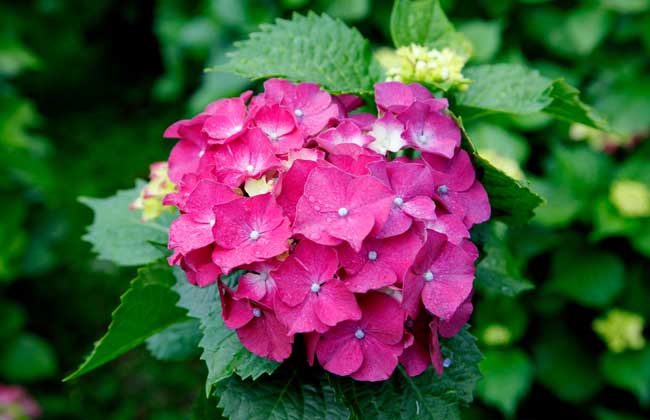
Why doesn't the hydrangea bloom?
The hydrangea, also known as eight-immortals flower, and also called purple-sun flower or shade hydrangea, usually blooms from June to July. If the hydrangea has thick stems, large leaves and deep green foliage but does not bloom, there may be four reasons: first, the potted plant has not been purposefully pruned; usually after the flowers fade, the branch tips must be cut short in time
-
-
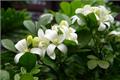
How to grow orange jasmine (Murraya paniculata)? A brief guide to growing this natural perfume plant
Natural perfume plant: a brief guide to growing orange jasmine
-
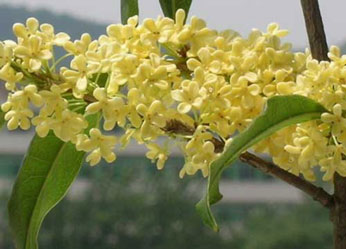
Can an orange jasmine (Murraya paniculata) that has grown too tall be pruned and the cuttings propagated?
The orange jasmine (Murraya paniculata) has grown too tall to fit indoors; can it be cut back? Can the pruned branches be used for cutting propagation? The orange jasmine (Murraya paniculata) prefers warmth and sunlight and is sensitive to cold; before the "Start of Winter" (Lidong), frost protection and warmth measures need to be taken. A plant that has grown too tall can indeed be pruned. However, branches pruned in winter
-

Nine-leaved Orange (Murraya paniculata) Bonsai Care Methods and Daily Management Tips
Murraya paniculata is a subtropical tree species, distributed in the southern and southwestern regions of China. It prefers sunny, warm and humid climates, is slightly shade-tolerant, and fears cold. It is suitable for cultivation in deep, fertile, loose, well-drained soil. It has strong sprouting ability and tolerates pruning well. Young branches have obvious axillary buds, and old branches have many adventitious buds.
-
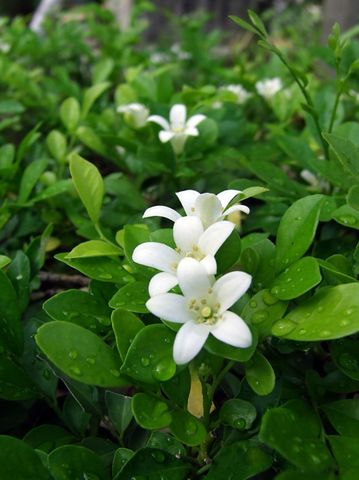
What causes the leaves of Orange Jessamine to turn yellow and drop?
Orange Jessamine (Murraya paniculata) likes warmth and fears cold. When Orange Jessamine moved indoors for frost protection and warmth in winter develops yellowing and dropping leaves, besides being hit by cold wind and catching a chill, the main cause is that the potting soil is too wet or too dry. It is also related to poor indoor air circulation, a dry environment, or excessive stuffiness. Prevention methods: First
-
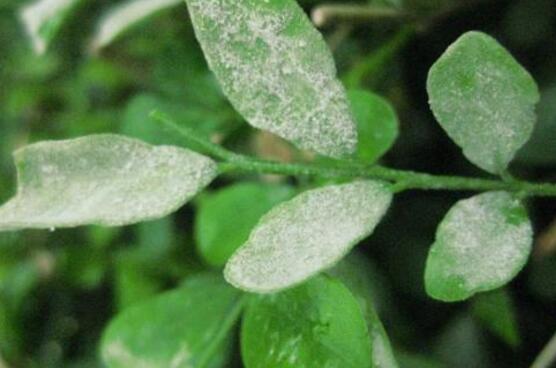
What to Do When Orange Jessamine Gets Leaf Blight? Detailed Control Methods
[Symptoms] The disease occurs on the leaves, mostly starting from the leaf tips and margins, and in severe cases can also spread to the shoot tips and young stems. The lesions first appear as faded green yellow spots, spread rapidly, and soon infect the whole leaf, turning it yellowish-brown. In the later stage, the leaves dry up and are covered with black granular bodies, which are the pycnidia of the pathogen.
-
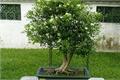
How to grow Orange Jessamine? Cultivation methods and precautions
Cultivation methods for Orange Jessamine. Precautions for growing Orange Jessamine.
条件筛选