What is the flower language and meaning of hydrangea?
The market potential of the adorable hydrangea is still enormous, as we can see from the revenue of flower shops. The flower shop owner told us that many people still give hydrangeas as gifts these days, so we should get to know in advance what the flower language of hydrangea is.
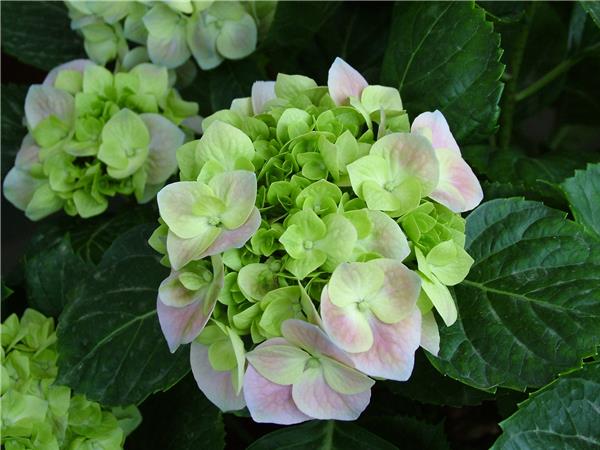
The flower language of hydrangea
Flower language one: Hope
Native to the Mediterranean, the hydrangea has always been famous as an evergreen tree that blooms in the harsh winter. In the cold of winter, catching sight of pink buds and white blossoms seems to tell people that spring is near. Therefore, the flower language of hydrangea is - hope. Those born under the blessing of these abundant flowers are highly patient and tolerant. They bring hope to many people, and their own lives are very rich as well.
Flower language two: Loyalty, eternity
Refers to loyalty in love and the eternity of mutual affection.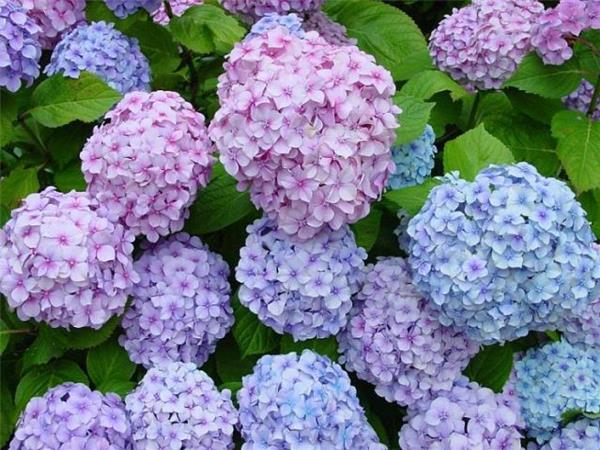
Flower language three: Happiness, reunion
The round blossoms and beautiful posture of the hydrangea symbolize the unbreakable bond with loved ones - no matter how long they are apart, they will always come together again.
Flower language four: Fickleness, change of heart
The color of hydrangea flowers changes over time. During its blooming period of just one month, its color undergoes many changes, and it is not simply a matter of red turning to blue or blue turning to green, so it also carries the implied meaning of a change of heart or fickleness.
Is hydrangea toxic?
The entire plant of the hydrangea is toxic. Accidental ingestion of the stems and leaves can cause colic, abdominal pain, diarrhea, vomiting, rapid breathing, and blood in the stool. It is best not to touch it directly with your hands. If there are children or pets at home, keep them from accidentally eating hydrangea and becoming poisoned.
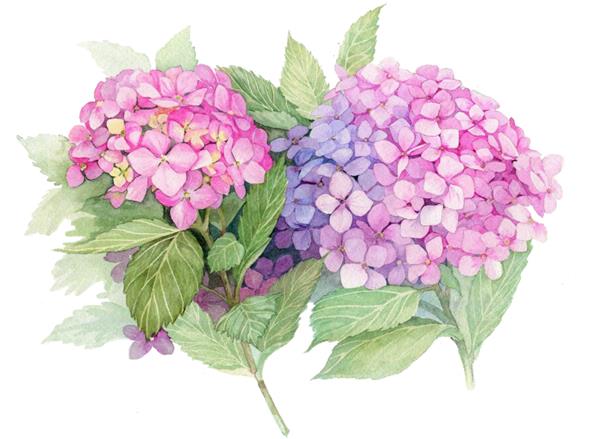
Application value:
1. Ornamental value. Hydrangea is a common garden flower. Its umbel-like inflorescences pile up like snowballs, clustered among oval green leaves, and look truly beautiful. As an important flowering plant of summer, the hydrangea forms a flower from a hundred florets, gathered into a ball. When lush, it is like snow pressing down on the tree, with a delicate fragrance filling the courtyard. In gardens, it is often planted under sparse trees, along the edges of paths, at building entrances, or a few plants are grouped together at a corner of the lawn, or scattered in front of evergreen trees - all very attractive. In small courtyards, it can be planted in pairs or as a single specimen, and cultivation beside walls or in front of windows is also full of charm.
2. Medicinal value. Hydrangea can resist malaria, clear heat, and detoxify. It mainly treats malaria, palpitations from heart heat, and restlessness. The roots, leaves, and flowers of hydrangea can all be used for malaria, with anti-malarial and fever-reducing effects. An excessive dosage can cause vomiting. Its effects and side effects are quite similar to those of Dichroa febrifuga but slightly weaker. It is usually used alone or combined with Amomum tsaoko; used for lung heat and sore throat, it has the effect of clearing heat and detoxifying. It is also used externally as a decoction for washing, or ground into powder and applied, to treat scabies, scrotal eczema, and the like, with the effects of clearing heat and relieving itching.
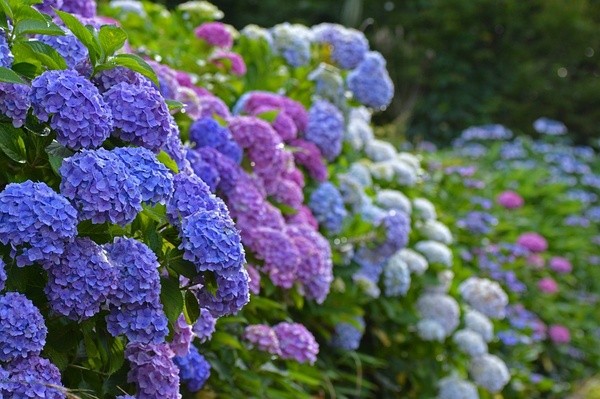
That is all for now on the flower language of hydrangea. We hope the above content can help you better understand this topic. Stay tuned for more wonderful content~