-
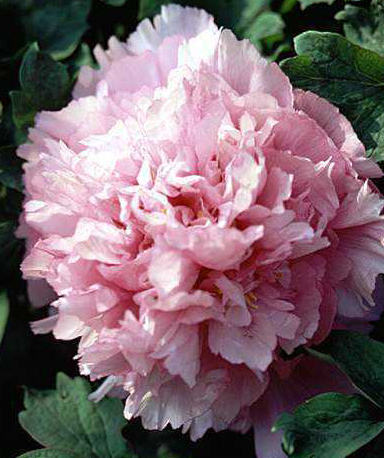
What is the difference between tree peony and herbaceous peony? A quick guide to telling them apart
The biggest differences between tree peony and herbaceous peony are: 1. The tree peony is a shrub, with woody stems; apart from the current year's green growth, the other stems are brown; the herbaceous peony is a perennial herb, with herbaceous green stems, and all above-ground parts wither in winter. 2. The tree peony has bipinnately compound leaves.
-
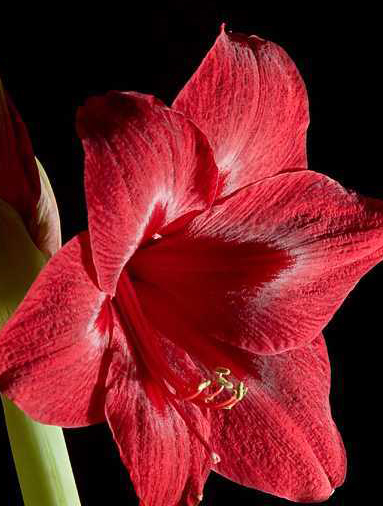
What is the difference between amaryllis and belladonna lily? A quick guide to tell them apart
Amaryllis (scientific name: hippeastrum rutilum) is a perennial herbaceous plant of the genus Hippeastrum in the Amaryllidaceae family. Its bulb is plump and nearly spherical, 5-10 cm in diameter, with a pale green or yellowish-brown outer skin. The leaves grow opposite on both sides, are strap-shaped with tapering tips, and number 2-8.
-

Detailed Explanation of Key Points of Peach Quick-Freezing Processing Technology
(1) Process flow: raw material selection → pitting and color protection → blanching and cooling → peeling → packaging and adding sugar syrup → pre-cooling → quick freezing → frozen storage. (2) Key operating points. Raw material selection: after peaches are picked, ripe ones must be processed immediately; hard, unripe fruit must be ripened. Properly ripened peaches have bright color, rich flavor, and are easy to pit and peel. Pitting and color protection: after the raw material ripens, remove the pit with a small knife or a pitting machine, and immediately place the flesh in cold water to avoid contact with air and prevent discoloration. The pitting machine has fruit
-

How to quickly remove odor from pig pens? Introduction to practical methods
Methods to quickly remove odor from pig pens
-
-
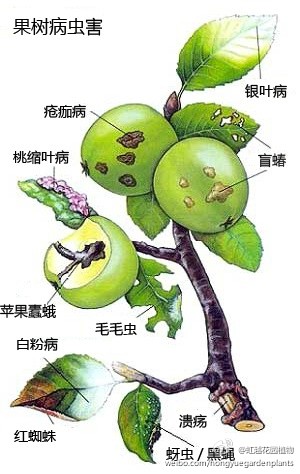
Complete Illustrated Guide to Flower Pests and Diseases: Quickly Identify Disease and Pest Symptoms
Pest and disease illustrations are always somewhat scattered. The few images below bring together illustrations of several dozen common flower pests and diseases, plus illustrations of fruit tree pests and diseases, rose pests and diseases, and tree pests and diseases.
-
What do pigs eat to fatten quickly? Adding seasonings to pig feed works well
Pigs have a well-developed sense of taste, with as many as 15,000 taste cells in the oral cavity. Adding seasonings (flavoring agents) to feed can promote the secretion of the salivary glands, gastric glands and pancreas, increase feed intake, and promote growth and development. At present, the following seasonings are used more often: Sweet seasonings. Adding 0.05 g of saccharin per kg of finishing pig diet can increase the average daily gain of pigs by 6.4% and reduce feed consumption by about 5%. Adding 60 ppm of saccharin to the diet of lactating sows can prevent anorexia and excessive
-
Act quickly on wheat pest control, wheat farmers please pay attention to prevention and treatment
The reporter learned from the Provincial Plant Protection General Station that this year the pest source base in the frequent outbreak areas of wheat blossom midge in our province has generally rebounded, with most places seeing the highest values in recent years, and the expected affected area across the province is about 4.5 million mu. Relevant experts suggest that fields where the "two periods" (the wheat heading and flowering period and the peak emergence period of adult blossom midges) overlap highly should be designated as target fields for control. The station's survey found that in the central Huaibei and along the Huai areas, which are frequent outbreak areas of wheat blossom midge, the pest population base is higher than in the same period in recent years. At present, wheat in the areas along the Huai and western Huaibei is
-
Ten observation points for sick pigs, so pig farmers can quickly identify swine diseases
At present, for rural farmers raising pigs, in terms of feeding and management, some people pour feed into the pig trough and turn around and leave, rarely paying attention to observing the pigs' growth and development or whether they show signs of illness. As a result, they do not know when a pig gets sick, and by the time the pig is down in the pen, it is too late and difficult to treat. To prevent disease before it occurs and treat it early when it does, symptoms must be discovered in time. Observation can be made from the following ten aspects. 1. Look at demeanor. Healthy pigs are spirited, with tails raised and swinging freely, while sick pigs are listless, slow to move, prefer lying still, and have drooping tails.
-
Quick-freezing method for peaches and detailed operating steps
Fruit selection: Peaches intended for quick-freezing processing should have fine flesh, few coarse fibers, good flavor, uniform size, neat fruit shape, no pests or diseases, no mechanical injury, easy pit removal (preferably freestone varieties), and resistance to browning. Harvest at slightly lower maturity; after arriving at the plant, a processing volume for 4 to 8 days can be stored. If stored in a cold storage, the processing period can be longer, but chilling injury to the peaches must be prevented. Generally, for white-fleshed peaches, Okubo is preferred, and for yellow-fleshed peaches, Albat is preferred. Cut in half and remove pit: Cut along the suture line into two halves and remove the pit, place the fruit cups
条件筛选