-
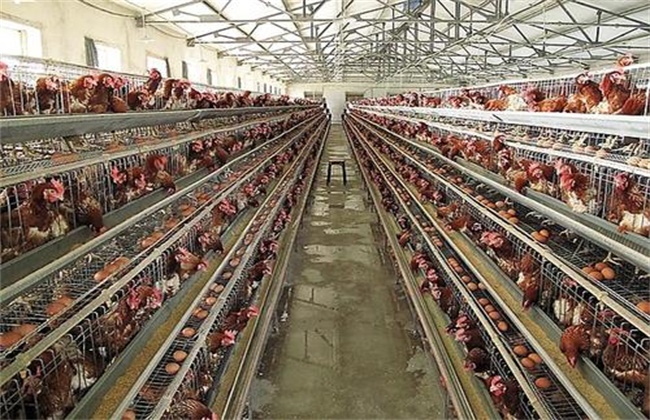
How to prevent a chicken coop from getting damp? Practical moisture-proof methods shared
How to prevent a chicken coop from getting damp
-
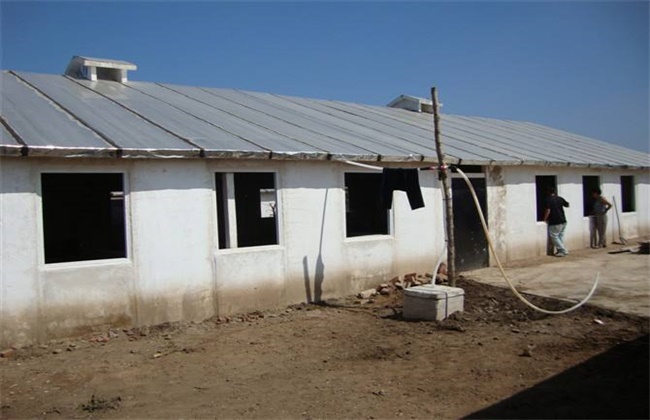
Moisture-proofing the chicken coop in winter requires attention to these points
Notes on moisture-proofing the chicken coop in winter
-
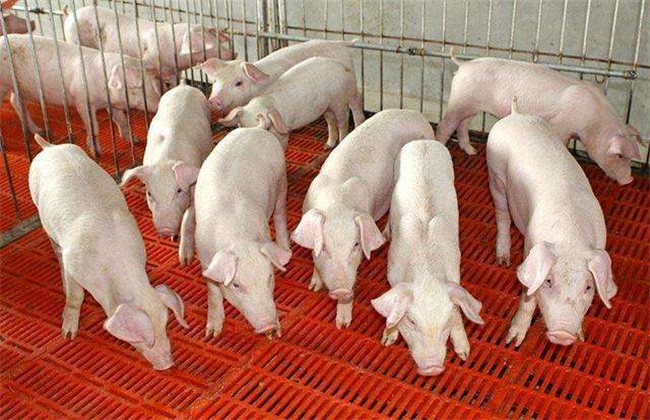
What are the cold-proof and warmth-keeping measures for piglets overwintering in winter
Cold-proof and warmth-keeping measures for piglets overwintering in winter
-
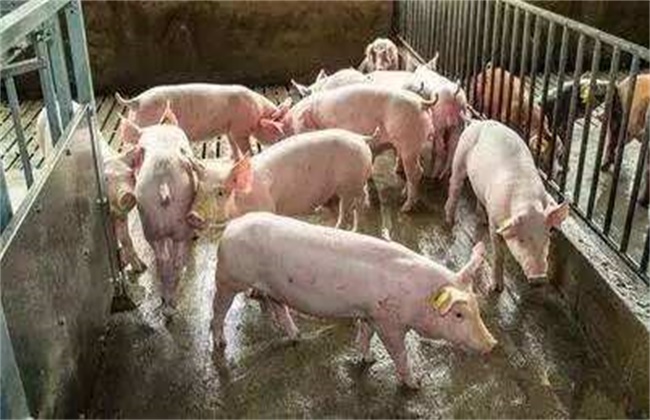
What to Do About Dampness in Pig Farms? A Detailed Guide to Practical Moisture-Proofing and Dehumidifying Methods
What to Do About Dampness in Pig Farms
-

What practical cold-proof measures are there for fish and soft-shelled turtle farming
1. Pond selection Choose a deep-water (over 2 m) pond sheltered from the wind and facing the sun for natural overwintering. The water in the overwintering pond should not remain stagnant for long periods; usually replace part of the pond water every 20 to 30 days, each time replacing 1/4 to 1/5 of the total pond water, to prevent pond water contamination. 2. Set up windbreak walls and cold-shelter holes On the north side of the pond, a 2 m high windbreak barrier can be built with straw or earth, and on the east and west sides build earthen walls sloping toward the south, forming a winnowing-basket shape, to reduce attacks by the north wind, so that when a cold wave strikes the water temperature will not drop noticeably. Around the pond, drainage
条件筛选