How to prevent a chicken coop from getting damp? Practical moisture-proof methods shared
With the arrival of the humid "hui nan tian" season in the south, many chicken coops are now about to face the problem of dampness. Because of the various harms of dampness, how to prevent it has become a big issue. If you don't know how to prevent it, let's take a look below.
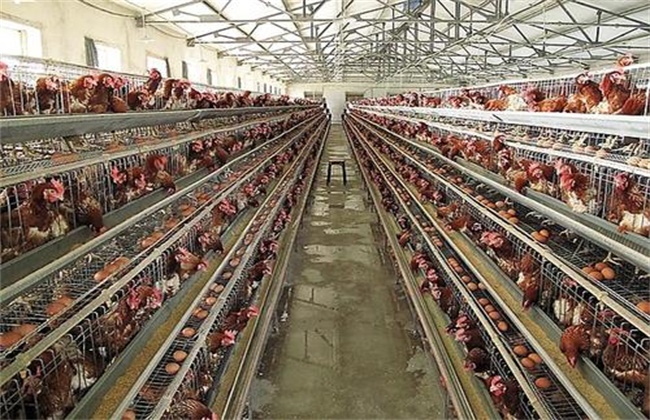
1. Choose a good site for the chicken coop
A good location is very important. If the location is unsuitable, no matter how many measures you take, the results will still be less than ideal, because the influence of the site is constant. Generally speaking, low-lying areas have the most serious dampness, because water vapor is most likely to accumulate there, so when choosing a site you must choose a high place. Next, places with weak light should also be noted; such places are fairly common severe dampness zones. So when choosing a site, try to choose a sunny and high place, preferably in a position exposed to the wind.
2. Control density
Don't underestimate stocking density. In fact, it also has a fairly large impact on dampness. The higher the density, the damper it becomes, because of manure and respiration, both of which easily produce water vapor. When the density is too high, this water vapor is basically very hard to expel, and a lot of it will cling to the chickens, making their bodies damp as well. So when raising them, lower the density to reduce the pressure of dampness.
3. Control water sources
Water sources are actually also a major cause of dampness in chicken coops, because whether it is daily watering or cleaning the chicken coop, water is unavoidably used, which leads to water often remaining in the coop. When this water evaporates, it becomes water vapor, and when this happens often, the chicken coop will appear relatively damp. This is also the reason why more and more chicken coops use sealed watering systems, precisely to prevent dampness. You can pay attention to water use in this regard.
4. Frequently change the bedding
The bedding in a chicken coop is used to absorb water vapor, but bedding alone without cleaning will only worsen the dampness, and because the bedding is in direct contact with the chickens, its impact is even greater. Chickens produce a fairly large amount of manure, so their bedding becomes contaminated relatively quickly. You can adjust according to the situation. A chicken coop generally needs its bedding changed about once every 1-2 weeks, to avoid excessive accumulation of water vapor and the formation of a damp floor.
The above are some methods for preventing dampness in chicken coops. You can adjust them according to your own actual situation, see which aspects are more practical, and then solve this problem promptly.