What to Do About Dampness in Pig Farms? A Detailed Guide to Practical Moisture-Proofing and Dehumidifying Methods
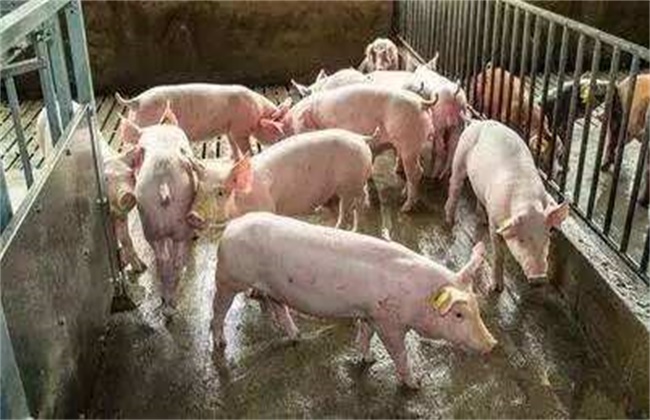
Dampness in a pig farm is a fairly serious problem, but many farmers often pay little attention to it. A damp environment can lead to the breeding of bacteria and microorganisms, making pigs highly prone to disease, with symptoms such as diarrhea and colds. Dampness can also lower the temperature inside the pig house, and this affects the digestive system of piglets, thereby triggering disease and, in severe cases, death. So what should be done about dampness in a pig farm? Let's take a look.
1. Strengthen ventilation
The best way to reduce dampness is to expel the water vapor, and the best method for that is ventilation. There are many ways to strengthen ventilation, for example raising the farrowing crates so that piglets stay away from the damp floor, which greatly reduces the impact of dampness; increasing the window area so that the air exchange between inside and outside the house increases; or using fans, which can speed up air circulation. This method works relatively well in an empty house, and when the house is damp, this method can make the pig house dry.
2. Control water use
For pig houses that are relatively sensitive to dampness, such as farrowing rooms and nursery houses, where piglets are mainly raised, their resistance and immunity are weak and they are highly susceptible to disease. Water use should be controlled in these pig houses, especially by reducing standing water on the floor as much as possible; standing water on the floor can be mopped dry with a mop.
3. Spread quicklime
Quicklime has good moisture-absorbing properties. Spreading quicklime in the pig house can make the air cleaner. In addition, when quicklime reacts with water it forms calcium hydroxide, which has excellent disinfecting effects. Although quicklime releases heat as it absorbs moisture, raising the temperature inside the house, the heat released by a small amount of quicklime is limited and has little effect on the temperature inside the house. However, be careful not to spread it in the feed trough or drinking water, so as to avoid poisoning the pigs.
4. Lay low-temperature water pipes
Multiple water pipes with a temperature below 20 degrees can be laid in the pig house, so that the water vapor inside the house will condense into water droplets and flow down along the pipes. At the same time, it is best to drain away the dampness, which serves to remove moisture.
The above is an introduction to what to do about dampness in pig farms. We hope it can help you. To learn more related knowledge, please stay tuned to us.