Moisture-proofing the chicken coop in winter requires attention to these points
Many problems arise in winter chicken farming: low temperatures and high humidity in the coop can easily create low-temperature, high-humidity conditions when the coop is washed, causing great harm to the growth and development of the flock. Therefore, moisture-proofing the chicken coop in winter is one of the key tasks in chicken farming. So what should be noted when moisture-proofing the chicken coop in winter? Follow the editor and take a look.
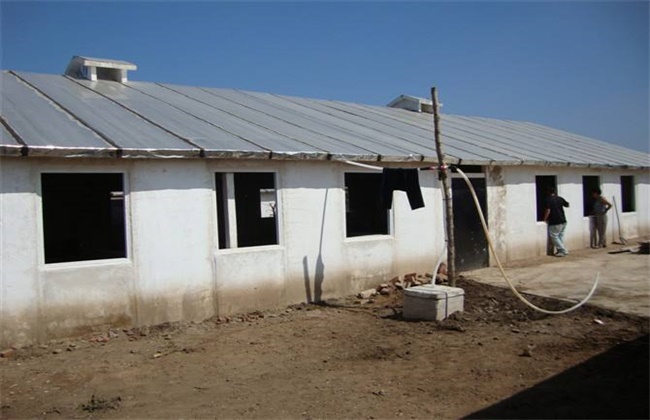
I. Dangers of a damp chicken coop
1. Dangers of high humidity
Excessive humidity in the chicken coop causes manure decomposition to produce more harmful gases, leading to frequent respiratory diseases in the flock; a damp environment also easily causes frequent coccidiosis. In hot seasons, humidity that is too low causes the coop to become stuffy and damp, making the flock prone to heatstroke; when the brooding period coincides with high temperatures, chicks are very likely to die from suffocation.
2. Dangers of low humidity
When humidity is too low, chicks are prone to dehydration and grow slowly. When humidity in the coop is too low, dust easily flies up in the coop, the air becomes foul, and respiratory diseases occur.
II. Notes on moisture-proofing the chicken coop in winter
1. Pay attention to ventilation
Winter temperatures are low, so the ventilation volume of the chicken coop should be controlled. When the temperature is below 15 degrees, the wind speed should not exceed 0.1 to 0.2 m per second, and attention should also be paid to preventing drafts. When the ventilation volume is suitable, use mechanical ventilation. There is a good balance between ventilation and insulation work.
2. Stocking density should not be too high
Winter temperatures are low, and many farmers increase stocking density to keep warm and resist the cold. However, if stocking density is too high, the flock becomes overcrowded, which is not conducive to moisture-proofing. For flocks raised on the floor, especially, suitable stocking density should be maintained.
3. Leaking drinking water equipment
Strictly prevent drinking water equipment from leaking. Once a leak is found, seal it promptly or replace it, and clean up the leaked water promptly.
4. Change the litter frequently
Litter must be kept dry and hygienic, and must be replaced promptly when it becomes damp.
5. Clean regularly
Every day, sweep up floor garbage, filth and manure. This is the main factor in reducing dampness in the chicken coop.
6. Disease prevention and control
In winter, actively prevent and treat bacterial enteritis and viral infectious diseases that cause dampness on the chicken coop floor, such as Newcastle disease, infectious bronchitis and coccidiosis in chickens.
7. Improve the microclimate inside the chicken coop
In winter, the chicken coop should focus on keeping warm. The temperature in the chicken coop must not be lower than 12 degrees, to prevent low temperatures and excessive humidity. It is best to install heating equipment.
The above is an introduction to the notes on moisture-proofing the chicken coop in winter. We hope it can help you. To learn more related knowledge, please follow us.