What are the cold-proof and warmth-keeping measures for piglets overwintering in winter
The temperature is getting lower and lower now, and winter is about to begin. The long three months of low-temperature freezing weather means that cold-proof and warmth-keeping measures are needed for poultry and livestock. Pig farmers in particular: piglets have weak resistance to the outside environment and are extremely vulnerable to low-temperature freezing damage in winter. So how can piglets safely overwinter in winter? Let's take a look.
1. Bedding straw for warmth
Pig houses are generally built with cement, so in winter the ground temperature is very low. Therefore, soft dry grass and other cold-proof materials of moderate thickness should be spread on the ground. This can not only raise the temperature of the pig house floor but also help prevent the pig house from becoming damp and wet. However, the bedding straw must be replaced regularly to prevent it from becoming damp, which would be even more unfavorable for piglets overwintering.
2. Prevent cold drafts
During construction, in addition to considering ventilation, preventing cold drafts in winter must also be considered. Winter temperatures are low, and if cold wind enters the pig house, it will deal a devastating blow to piglets. Therefore, before the arrival of low winter temperatures, all gaps in the pig house walls need to be sealed, and some straw can also be piled against the outer walls to block the cold wind.
3. Increase stocking density
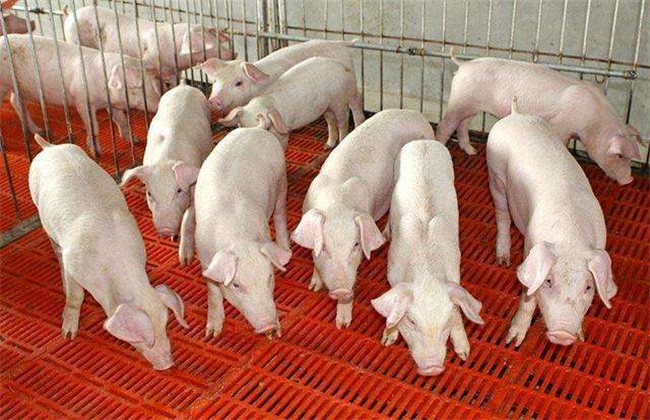
Piglets have weak temperature regulation themselves, so their resistance to low temperatures is weak and they are very likely to freeze to death. In winter, group feeding can be adopted and the accurate stocking density appropriately increased, so that piglets can warm each other and increase their resistance to low temperatures. However, density must also be watched: excessive density can induce disease or adverse reactions. In winter, the stocking density should be about 40% more than in summer.
4. Appropriately increase the proportion of energy feed
Winter temperatures are lower, so piglets need to absorb more energy to resist the severe cold. If the previous feed formula is still maintained, piglets will basically not grow in winter. Therefore, winter feeding should appropriately adjust the feed ratio, appropriately increase the proportion of energy feed, and the feed and drinking water should also be at a certain temperature and not too low, otherwise it will cause gastrointestinal discomfort in piglets; 25 degrees is suitable.
The above is an introduction to cold-proof and warmth-keeping measures for piglets overwintering in winter. We hope it can help you. To learn more related knowledge, please follow us.