-
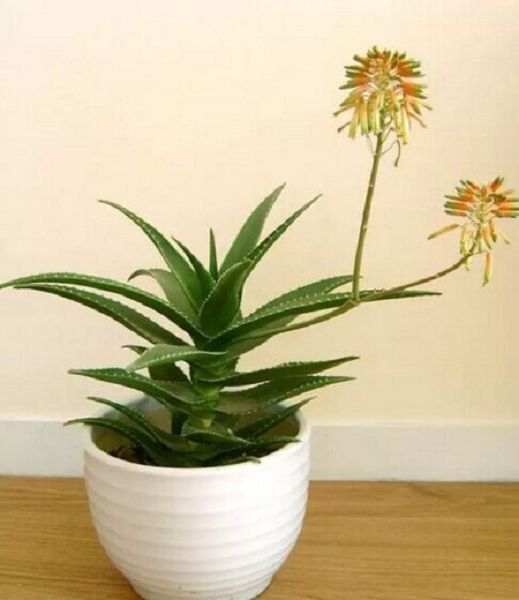
Detailed Explanation of the Production Methods and Technical Key Points of Aloe Bonsai
Aloe Bonsai Production Techniques
-

Detailed Explanation of the Processing Technology and Production Method of Lily Powder
Processing fresh lilies into lily powder can greatly extend the storage period and also make them convenient to eat. The processing technology is as follows: 1. Grinding into slurry: Remove various impurities from fresh lily heads, wash them clean, put them into a pulping machine, add an appropriate amount of water, and grind into a thick lily slurry. 2. Filtering: Put the thick lily slurry into a cloth bag, place it in clear water in a vat, stir and rinse it, and filter it with a 55--57 mesh sieve or filter cloth until all the slurry juice is filtered out, there is no white juice in the residue, and the filtrate is clear water. 3. Rinsing: Rinse the filtered lily slurry twice with clear water in a vat. Each time
-
Detailed Explanation of the Production and Processing Method of Lily Cake
Making food with baked rice flour has the characteristics of being fragrant and delicious, quick to rehydrate, and easy for the human body to absorb and digest, and is very popular among consumers. 1. Production of baked rice flour. (1) Heating and baking method. Wash the rice clean, remove impurities such as sand and gravel, and drain. Put an appropriate amount of washed fine sand into a pot, add a small amount of cooking oil, heat it over high heat, add the drained rice, and keep stirring until all the rice grains are cooked. Then sift out the fine sand, let the rice grains cool, and pour them into a grinder to grind. The grinding passes through a 100-mesh
-
Detailed Explanation of Daphne Bonsai Production Methods and Steps
Bonsai Production (I) Botanical Knowledge Belongs to the Thymelaeaceae family, Daphne genus. Evergreen shrub, smooth stems. Leaves alternate, long elliptic, mostly clustered at branch tips, entire margins, deep green and glossy. Flowers bloom from March to May, capitulum terminal, corolla yellow-white to light purple, lilac-shaped, strongly fragrant. Daphne branches spread gracefully, with soft twigs and thick leaves, elegant and beautiful in posture. (II) Material Collection and Cultivation Measures Artificial propagation: Daphne propagation mostly uses cuttings and layering methods, and can also use water cuttings, division, and seed sowing methods. Cuttings can be taken in all four seasons, but early March
-
Detailed Guide to the Production Methods and Care Techniques of Vitex Bonsai
Vitex, also known as Vitex negundo var. cannabifolia, is widely distributed in China and has extremely strong vitality, making it one of the common deciduous tree species used for making bonsai. 1. Collecting the stump: Digging vitex is generally done in spring, in March and April. If the original soil around the roots can be kept intact, it can be dug and planted in all three seasons of spring, summer, and autumn. 2. Planting: Vitex has very strong adaptability and is not strict about soil requirements. For potted vitex, loose-textured, well-draining humus soil is best. The planting pot
-
Detailed Explanation of the Production Methods and Steps of Smoke Tree Bonsai
Smoke tree, also known as red leaf, is a deciduous shrub of the Anacardiaceae family. In recent years, the Beijing Bonsai Association has used the smoke tree species to create various forms of stump bonsai, which are quite favored by bonsai enthusiasts. Making bonsai with it has the characteristics of being quaint and vigorous, rich in variation. In spring, the young buds first shade, emerald green and delightful; in midsummer, the branches and leaves flourish; in golden autumn, the red leaves first dye, and after frost, the whole tree is covered with red leaves, standing proudly against the frost, dazzling and eye-catching, adding a touch of autumn color, with endless charm and breathtaking beauty. There are abundant wild resources of smoke tree in the Beijing area, easy to collect. Therefore,
-
Production Methods and Care Management Techniques for Boxwood Bonsai
Boxwood alias: Japanese spurge, Masaki. Scientific name: Buxus microphylla Sieb. et Zucc. Family and genus: Buxaceae. Tree species characteristics: Boxwood, also known as seed boxwood and thousand-year dwarf, is an evergreen shrub or small tree of the Buxaceae family. The trunk is grayish-white and smooth, the branches are densely grown, and the branchlets are four-angled. The leaves are opposite, leathery, entire, elliptical or obovate, with a rounded or slightly notched tip, bright green on the surface and yellow-green on the underside. The flowers are clustered in the leaf axils or at the branch tips, opening from April to May, and are yellow-green. The capsule is ovoid.
-

Production and Care Methods for Chinese Fringe-flower (Loropetalum chinense var. rubrum) Bonsai
Production and Care of Chinese Fringe-flower Bonsai
条件筛选