-
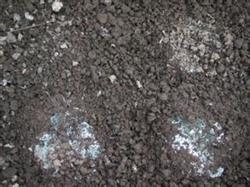
Strictly control the spawn production process when cultivating oyster mushrooms
Green mold, also known as Trichoderma viride, is one of the most serious pathogens harming oyster mushrooms. It causes damage at different production stages of oyster mushrooms. Once the disease occurs, it leads to reduced yields in mild cases and total crop failure in severe cases, becoming an important obstacle restricting the development of oyster mushroom production. Through several years of exploration and experimentation, the integrated control measures are summarized and introduced as follows...
-
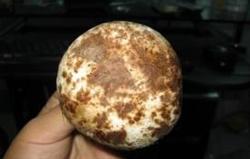
In the process of oyster mushroom cultivation, the seed production stage must be strictly controlled.
Rust-colored or dark brown spots appearing on the caps and stipes of oyster mushrooms are called oyster mushroom rust spot disease. This disease is a bacterial disease that readily occurs during the fruiting body growth stage of oyster mushrooms. The pathogen causing this disease is a species of Pseudomonas bacterium that is extremely widely distributed in nature. In the early stage of the disease, the spots are only the size of a needle tip, and the color...
-
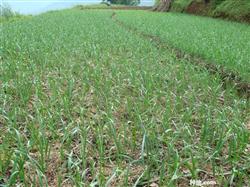
What are the common diseases in the process of growing garlic?
What diseases affect garlic? How to prevent and control them? Please introduce. I. Types of garlic diseases. 1. Round leaf (also called barrel): This disease mainly shows up in the period before the garlic scape emerges, when the top leaves of the garlic form a barrel shape that tightly wraps the scape inside the barrel, causing the scape to become trapped or break. 2. Garlic branching: that is, multiple branches on one plant...
-
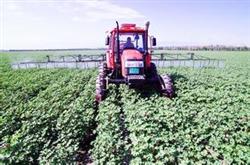
Detailed Explanation of the Key Points of Full-Process Chemical Regulation Technology for Cotton
Cotton has an indeterminate growth habit, and its vegetative growth and reproductive growth proceed simultaneously and overlap. If fertilizer and water management is improper in production or climatic conditions change, cotton plants are highly prone to excessive vegetative growth or delayed maturity with excessive green growth, which is very unfavorable for achieving high and stable cotton yields. This problem is generally solved through chemical regulation. At present, the...
-
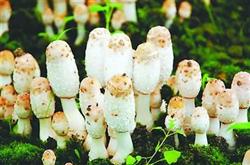
Harvesting Methods and Dried Product Processing Techniques for the Shaggy Mane Mushroom
The shaggy mane mushroom, also known as the shaggy ink cap, is a typical mesophilic variety. When the soil temperature is below 8°C, it cannot fruit normally; when the soil temperature is above 30°C, the mycelial vigor declines, the parasitic fungus Coprinus comatus pest mushroom appears in large numbers, and the shaggy mane crop is nearly lost entirely. By adopting measures to cool down in summer and warm up in winter, shaggy mane mushrooms can be produced year-round, but in summer...
-
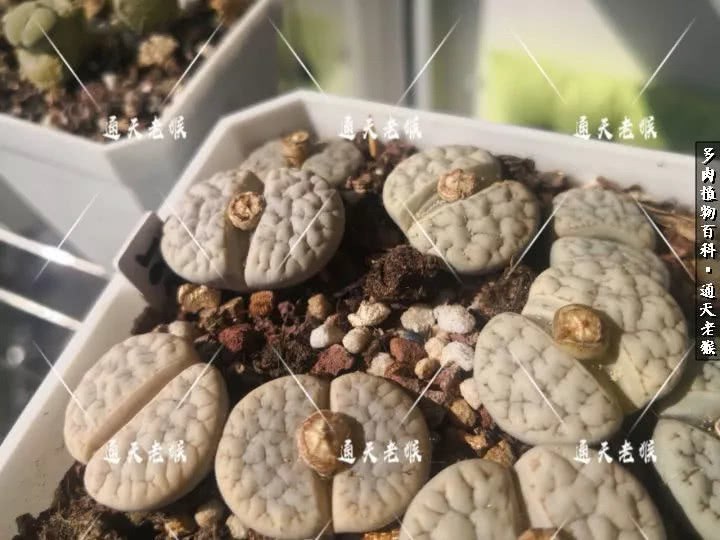
How to wash seeds for succulent sowing? A step-by-step demonstration of the whole process
Foreword: Follow the Encyclopedia · Meet the beautiful (WeChat ID: duoroubaike). The main text begins: Thanks to the author of Xianzhen Huan [Tongtian Laohou] for the original exclusive authorized sharing. Edited and compiled by: Encyclopedia Jun. Location: Tianjin. Step 1: Wait for the seed pods to mature...
-
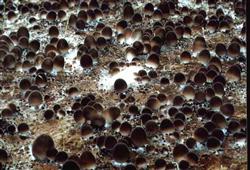
What are the common problems in the process of straw mushroom cultivation
1. Appearance of clustered mushrooms: Too large a seeding rate and uneven seeding will lead to clustered mushrooms. Therefore, the seeding rate should be controlled at 0.2-0.3 kg/sq m. The seeding method can be layer seeding, mixed seeding or broadcast seeding; it is best not to use hole seeding. 2. Aging of spawn: If aged spawn is used, although mycelial germination and colonization are normal, and the yield of the first flush is also good. But the yield of the second and third flushes is significantly reduced, and the overall yield decreases. Therefore, when purchasing spawn, you must pay attention.
-
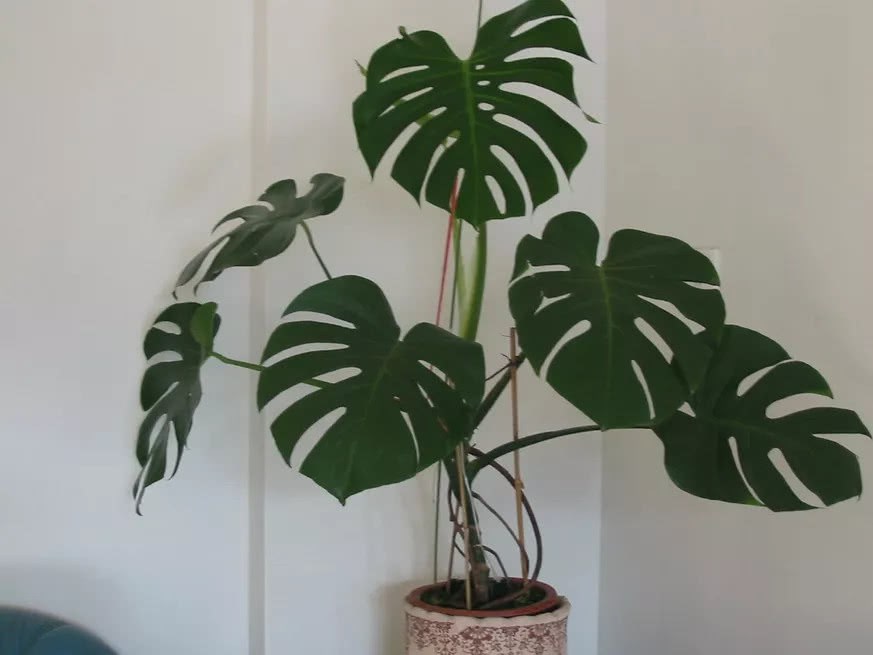
Don't throw away the cuttings you prune from your Monstera deliciosa - process them this way and you'll get another pot
The leaves of the Monstera deliciosa are especially large, making it a very beautiful foliage plant. Many gardening enthusiasts prune it to prevent problems like leggy growth. But don't throw away the pruned branches - you can use them for cuttings. Choose...
-
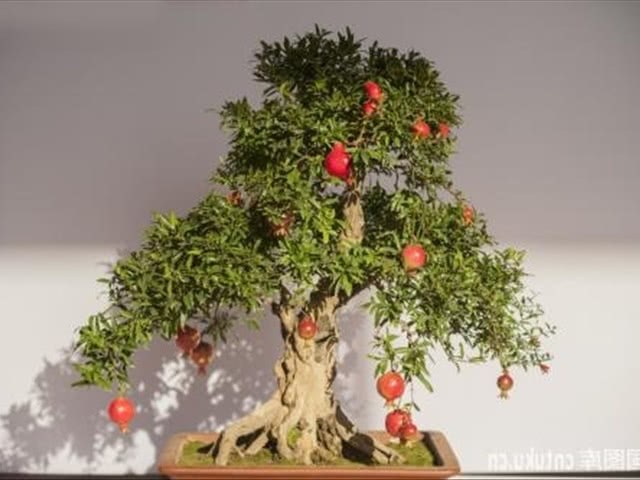
Don't throw away pomegranate seeds - with a little processing, you can grow a pomegranate bonsai
Original title: Still throwing away pomegranate seeds? Keep them and give them some processing, and you'll have a pomegranate bonsai too! Summary: It's autumn now, and many people are eating pomegranates. Pomegranates are also relatively cheap to eat right now, unlike before when they were more expensive...
-

条件筛选