-
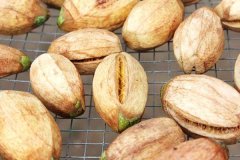
Taiwan-endemic plant jelly fig (Ficus pumila var. awkeotsang) pictures and characteristics, how to tell processed aiyu jelly apart?
In the scorching summer, the jelly fig looks and is about the same size as the Taiwan native mango. Many people love a bowl of icy aiyu jelly to cool off and beat the heat. Natural aiyu jelly is rich in dietary fiber and enzymes, healthy and delicious; but did you know that 90% of what is sold on the market is processed aiyu jelly?
-
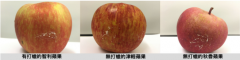
Is it better to peel apples or not? There's a difference between natural wax and processing wax on the peel
Apple winter management techniques are relatively difficult, but apples appear in the market all year round, and even in the refrigerator at home. Which waxes are natural fruit wax, and which are artificial fruit wax? And how should they be handled before eating to be safest? When buying apples at the market
-
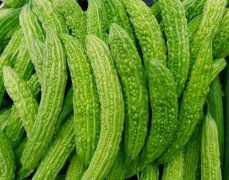
Breeding Process and Characteristics of the Early-Maturing Bitter Gourd Variety Puhang Bitter Gourd No. 1
Bitter gourd is one of the important vegetable types in the region south of the Yangtze River in China, with a long history of cultivation. Its ascorbic acid content stands out among cucurbits, being 14 times that of cucumber, 5 times that of winter melon, and 7 times that of tomato. Sometimes bitter gourd yields are low. Let us now learn about Puhang bitter gourd
-
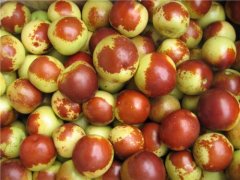
Will winter jujubes turn fully red as their color develops? Selection methods and the use of rapid-reddening agents
Winter jujubes generally have a color that is a mix of green and red, but some winter jujubes are purple-red. Why is that? Why are winter jujubes so sweet? Many people think that only red jujubes count as ripe. Some vendors, in order to attract consumers, treat green jujubes to make them red.
-
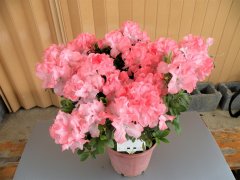
Breeding Process and Cultivation Characteristics of New Azalea Cultivars Taoyuan No. 1 and Taoyuan No. 2
The main azalea cultivars currently available on the market fall into 5 major groups: Hirado azalea, Western azalea, Kurume azalea, Satsuki azalea, and Taiwan native azalea. Due to differences in the regional environments where each group was bred and in their parentage, each azalea group has different characteristics.
-

When to Plant Honeysuckle? Learn How to Process It to Increase Added Value
During the pandemic, because it was rumored to have a preventive effect, honeysuckle once sold out completely, and as for growers, their enthusiasm for planting the following year also increased greatly. So when is honeysuckle planted? How can processing increase its added value? Let's explain one by one below, just
-
What are the prospects for mulberry cultivation? How should pests be controlled when they appear during the growing process?
The mulberry is a tree cultivated in every part of our country and has a certain economic value. The leaves of the mulberry can serve as feed for silkworms, the branches can be made into baskets and other woven implements, the bark can be used to make paper, and the fruit can be eaten fresh
-
How to Grow Chinese Hibiscus and How to Solve Flower Drop
Chinese hibiscus, also known as Buddhist hibiscus, rose of China, Buddhist mulberry, big red flower, and red hibiscus, is a fairly well-known flower in our country. Its colors are extremely vivid, it produces a large number of blooms, and it basically blooms all year round. Chinese hibiscus has low requirements for planting and management, and is deeply loved by gardening enthusiasts.
-
Correct Application Methods and Precautions for Corn Seed Fertilizer
Seed fertilizer refers to fertilizer applied near the seeds or mixed with the seeds at sowing or transplanting time to supply the nutrients needed for the initial stage of crop growth. When planting corn, applying seed fertilizer is very necessary, as it can guarantee the fertilizer needed for the early growth stage of corn and accelerate its growth
-
How much is lotus root per jin now? Detailed explanation of scientific fertilization methods for cultivation
Lotus root is a vegetable with nutritional value and is deeply loved by consumers. Lotus root varieties are also differentiated; generally, the ones used for stewing soup and the ones for stir-frying are different types. When stir-fried, lotus root tastes crisp, and when stewed in soup, it tastes soft and glutinous, making it especially suitable for people with weak constitutions
条件筛选