-

How to prevent late spring cold damage during the pear tree flowering period
Spring late cold spells and frosts are very harmful to pear trees. Generally, when pear trees encounter a low temperature of -4.0°C at the bud stage or -2.3°C to -2.9°C at the flowering stage lasting more than half an hour, the flower organs will suffer freezing damage, usually manifested as poor pollination, dried and dead stigmas, and browned filaments or
-
How to prevent and control late spring cold snaps in vegetables? You need to seize these 3 key periods
A late spring cold snap is a weather phenomenon in which early spring temperatures are lower than the same period in a normal year, and crops often suffer frost damage because of it. This kind of dramatic turn in the weather is very unfavorable to agricultural production, and if precautions are not taken in time, it is very easy for crops to be frozen. So what measures are there for preventing and controlling late spring cold snaps in vegetables
-
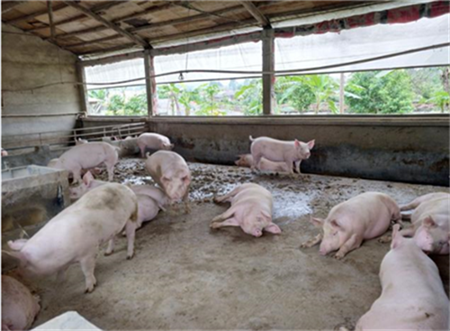
Causes and Prevention and Control Methods of Cold Diarrhea in Pigs
What is "cold diarrhea" in pigs? How is it prevented and controlled?
-
-
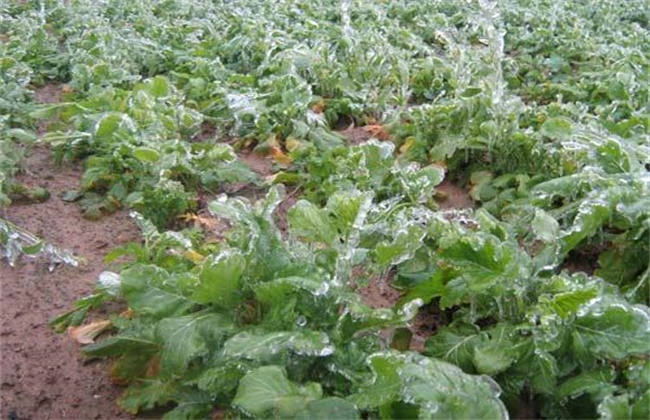
What are the prevention and control measures for late spring cold damage in vegetables?
Prevention and control measures for late spring cold damage in vegetables
-
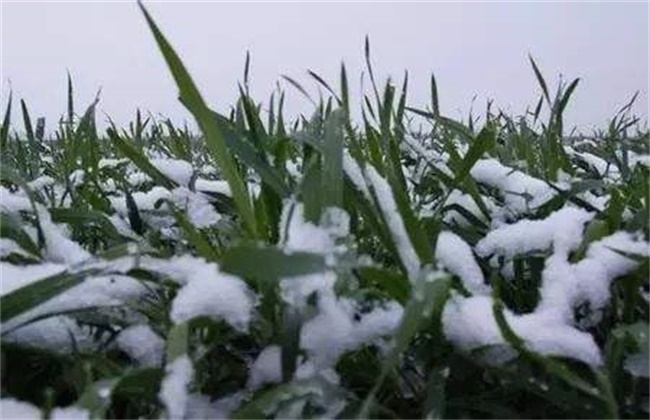
How to prevent late spring cold damage in wheat? These methods you need to master
Methods to prevent late spring cold damage in wheat
-

What are the methods for preventing late spring cold damage in fruit trees
How to prevent late spring cold damage in fruit trees
-
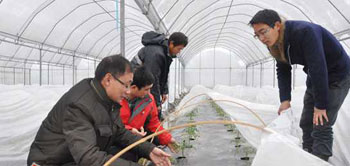
How to prevent cold and freezing damage in agriculture and fisheries? Experts teach you response methods
Experts teach you how to prevent cold and freezing damage in agriculture and fisheries
-
Symptom Identification and Prevention Methods for Potato Cold Injury
During plant growth or during tuber storage, if the air temperature or soil temperature is too low (above freezing), the plant will suffer cold injury. The degree of cold injury varies with the temperature. 1. Leaf symptoms At the seedling stage, after the plant suffers freezing injury, the leaves quickly wilt and collapse. When the temperature becomes warmer, the affected parts become water-soaked and turn brown after dying. However, if the plant suffers only cold injury, the above symptoms will not appear. Cold injury occurs at the seedling stage in early spring. The symptoms appear at the top of the seedlings, showing light yellow to light brown at the base of the young leaves. When
-
How to Prevent Cold Damage in Rice? Detailed Explanation of Fertilization Measures
Fertilization case: In 2006, in rice-growing areas such as Shangzhi City, Heilongjiang Province, during the early stage of rice growth, some rice seedlings encountered low-temperature weather below 17°C, and rice cold damage problems of varying degrees occurred. In the rice-growing areas of Ningxia and Zhangjiakou, Hebei in the northwest region, in autumn during the late stage of rice growth, just at the grain-filling stage, the temperature suddenly dropped below 20°C, causing rice to suffer cold damage, which was very unfavorable for grain filling, and the seed-setting rate decreased by 10-20%, with severe cases decreasing by more than 50%. Expert comments: In northern rice-growing areas, in order to defend against the cold damage problems brought to rice production by low-temperature weather
条件筛选