What are the methods to prevent cold stress in chickens?
Chickens are very commonly raised in our daily lives. When raising chickens, we need to pay attention to regulating the temperature well. This is because temperature has a huge impact on chicken growth, especially in winter. If the temperature is too low and not adjusted in time, it can very easily cause cold stress in chickens. So how do we prevent cold stress in chickens? Below, the editor will give you a brief introduction. Let's take a look together!
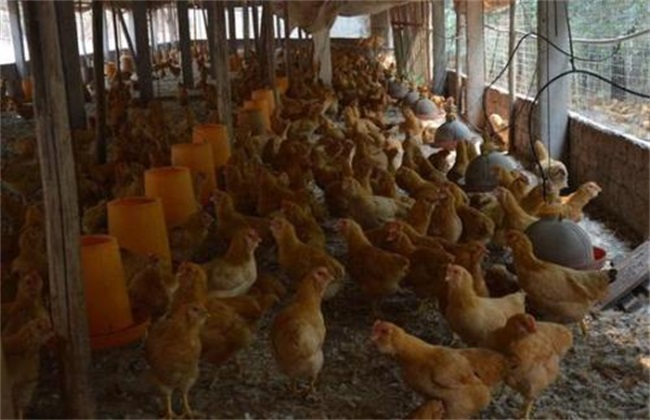
1. Keep the chicken coop warm
Keeping the chicken coop warm is a key measure to prevent cold stress in chickens. After the weather gradually turns colder and the temperature drops, the longitudinal vents in the chicken coop should be closed in time to prevent cold air from entering. In the chicken coop, near the wet curtain, it is best to install deflector plates to place cold air in the upper layer of the chicken coop. Then check whether there are any air leaks and promptly seal all gaps except the air inlet. If the scale of rearing is not large, then an insulation layer can be added, and the four walls and roof of the chicken coop should be checked frequently, repairing air leaks and holes in time. For the manure outlet, also pay attention to installing the insert plate properly. Finally, curtains can be hung at the windows and doors to improve the insulation performance of the chicken coop.
2. Prevent moisture and remove dampness
If the chicken coop is too damp and the humidity is high, then it is very unfavorable to the insulation of chicken feathers. Moreover, if it is too damp, it will also cause a wind chill effect, which will have a great impact on keeping the chicken coop warm. So in winter, even more attention should be paid to maintaining a dry environment. Water sprinkling work should be appropriately reduced, and when carrying out disinfection with chickens present, the amount of water used should be reduced. At the same time, also pay attention to checking the chickens' drinking tools well to prevent the chickens from getting wet while drinking, which would cause excessive body heat loss. Also, promptly remove the chicken manure in the coop to reduce moisture absorption in the coop and prevent excessive humidity.
3. Feed nutrition
If the temperature of the chicken coop is different, the energy requirements for chicken growth also differ. In winter, because the temperature is lower, the daily feed intake of chickens can reach more than about 120g. So attention should be paid to increasing the energy content in the feed to meet the chickens' low-temperature heat energy needs. If a cold wave causes a sudden temperature drop in winter, then the flock cannot adjust its feed intake all at once, so severe cold stress reactions are very likely to occur. Therefore, we should pay attention to checking the weather forecast every day. About two days before the cold wave arrives, appropriately increase the feed by 10g, lasting for 5 days, to ensure the chickens remain at a normal level, and after the cold wave passes, restore the original feeding amount.
4. Ventilation and air exchange
When raising chickens in winter, in order to keep warm, poultry farmers keep the chicken coop in a closed state to avoid the invasion of cold air. However, because the metabolism of chickens is still relatively strong, in a closed environment, the air very easily becomes turbid. The concentration of harmful gases such as ammonia increases, making chickens very prone to respiratory diseases, which is very unfavorable to the health of the flock. So we should also pay attention to doing a good job of ventilation and air exchange. On the premise of ensuring temperature, it should be combined with ventilation and air exchange work. Promptly remove harmful gases in the chicken coop and improve air quality.
The above is a brief introduction to how to prevent cold stress in chickens. That is all for today's introduction. This article is for reference only, and I hope it can help everyone!