Causes and Prevention and Control Methods of Cold Diarrhea in Pigs
What is "cold diarrhea" in pigs? How is it prevented and controlled?
Pathological characteristics of cold diarrhea in pigs
Porcine transmissible gastroenteritis and porcine epidemic diarrhea are highly contagious viral diarrheal diseases that can infect and cause disease in pigs of all ages, especially piglets within 10 days of age, whose morbidity and mortality rates are both very high. The main symptoms of the diseasedpigsare vomiting, severe diarrhea (watery diarrhea resembling spraying) and dehydration.
In addition to diseased pigs, after the virus contaminates media such as feed, drinking water and air, it infects pigs through the respiratory tract and digestive tract. Other factors such as poor feeding conditions, monotonous feed, sudden changes in feed, a cold and damp environment, and long-distance transport can all promote the occurrence and spread of this disease. The course of this disease is generally 3 to 7 days.
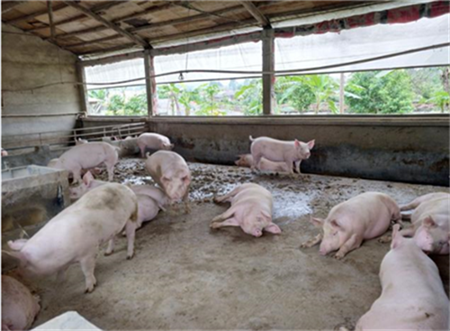
Cold diarrhea in pigsprevention and controlmeasures
First, do a good job in measures such as isolation and disinfection of pig farms when introducing purchased pigs and during epidemic seasons. Based on the situation of affected pig farms over many years, most cases were caused by carelessness in introducing breeding stock or purchasing piglets. In addition, during epidemic seasons, pig farms failed to carry out disinfection and other measures properly, resulting in the introduction of exogenous viruses. The prevention and control of porcine transmissible gastroenteritis and porcine epidemic diarrheaprevention and controlmainly relies on prevention.
Second, use vaccines properly forbreeding pigsto enhance their resistance to this disease, starting use every year in September and October. In order to ensure the production of high-level antibodies, perform booster immunization once again 25—30 days after the first immunization. The pig's Houhai acupoint is the best immunization site.
Third, if this disease occurs on a pig farm, first isolate the diseased pigs and strictly disinfect the contaminated environment. Stop suckling or feeding for the diseased pigs, provide a cold-proof, warm, clean and dry environment, give sufficient clean drinking water, and minimize various stresses. Generally, symptomatictreatmentis adopted, such as measures including fluid replacement, astringency, antidiarrheal treatment, and correction of acidosis, to control secondary infection. (Source: Pig Farming Grand Lecture Hall)