-

Practical Comprehensive Prevention and Treatment Techniques for Goose Cholera Explained
Goose cholera is on the rise in China, and many farmers neglect prevention and treatment, resulting in serious losses. The disease is an acute septicemic infectious disease caused by Pasteurella multocida; it occurs mostly in winter and spring, affects adult geese more than young geese, and when prevention and treatment are not timely the mortality rate is 80%-95% or more, with devastating losses being not uncommon. Damp, dark and crowded goose houses, sudden climate changes, vitamin deficiency, malnutrition, and internal and external parasitic infections can all trigger the disease. I. Epidemiology and Symptoms This disease is a common infectious disease of chickens, ducks, geese, poultry and birds.
-
How Does Soybean Cultivation Improve the Soil? A Detailed Guide to Practical Techniques
1. Soil Conditions for High-Yielding Soybeans Soil conditions are the foundation of high soybean yields. Soil moisture status, nutrient status, and certain physical properties of the soil are important factors affecting soybean yield. Soybean seeds require more moisture to germinate than cereal crops. Soybean seedling roots are relatively tender and high in water content, so suitable soil moisture conditions are needed to promote deep elongation of the young roots. The main root of the plant can reach about 1 m, and lateral roots can extend horizontally to about 0.5 m. When soil moisture is insufficient, both vertical and horizontal root growth are affected.
-
Two Practical Potato Processing Techniques Explained in Detail
1. Jam Making Recipe: 4 kg potatoes, 4 kg granulated sugar, 10 g citric acid, a small amount of carmine red pigment and food flavoring, 2-3 g sodium benzoate. Method: First wash the potatoes, steam them until cooked, peel them, spread them out to cool, then mash them into a paste with a pulping machine. Then pour the granulated sugar into a double-layer pot, add an appropriate amount of water and boil to dissolve, pour in the potato paste and stir so that the potato paste and sugar water are mixed, continue heating and stir constantly to prevent scorching. When the slurry temperature reaches 107°C-110°C, use citric acid water to adjust the pH to
-
Detailed Practical Techniques for Healthy Grass Shrimp Farming
Grass shrimp, scientific name Penaeus monodon, also known as black shell shrimp, belongs to the family Penaeidae. Because this shrimp prefers to inhabit areas with aquatic plants, it is called grass shrimp. Grass shrimp have the characteristics of fast growth, omnivorous feeding habits, wide salinity tolerance, short farming cycle, large individual size, delicious meat, rich nutrition, and high adult shrimp yield. Therefore, this shrimp has become an important current farming target. The healthy farming techniques are introduced as follows: 1 Shrimp Pond 1.1 Pond Selection The pond should be built in areas with flat terrain, little silt, abundant water sources, good water quality, no pollution
-

How to increase velvet antler production? Practical farming techniques shared
How to increase velvet antler production
-

How to prevent and control pests and diseases of oil tea (Camellia oleifera)? A full analysis of practical techniques
Pest and disease control techniques for oil tea (Camellia oleifera)
-

How to Grow Ginger? A Detailed Guide to Practical Cultivation Techniques
How should ginger be grown? Ginger has many uses in both food and medicine. How is ginger grown? What are the cultivation techniques for ginger? How can you...
-
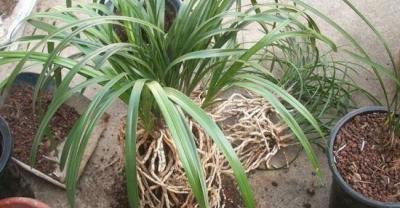
How to grow orchids? A detailed guide to practical cultivation techniques
They are semi-shade plants that rely on orchid roots to produce orchid fungi for growth. Only by understanding the growth habits of orchids can we grow them well. Many orchid growers do not know how orchids...
-
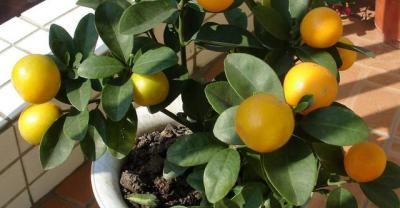
How to Grow Phoebe zhennan? A Complete Guide to Practical Techniques
Phoebe zhennan mostly comes from the deep mountains of the Sichuan and Shu region, and it is scarce, with a price comparable to gold. Phoebe is a neutral to shade-tolerant tree species, tolerant of shade in its youth. Its main root is obvious...
-
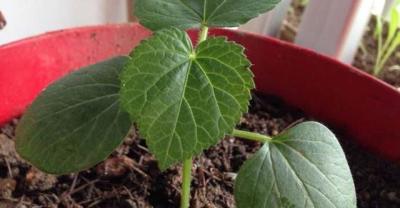
How to Grow Chinese Cabbage for High Yield? A Detailed Guide to Practical Growing Techniques
Chinese cabbage, also called heading cabbage or yellow-bud cabbage, originated in China. China is also rich in variety resources, with high yields per unit area, generally 3500-4000 kg per mu, and up to 500...
条件筛选