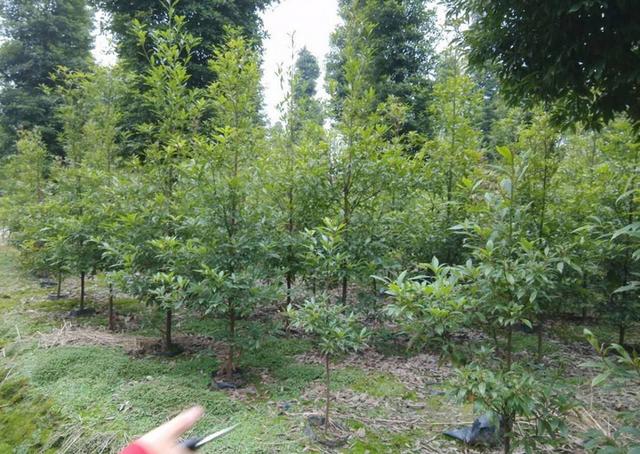
How to Grow Phoebe zhennan? A Complete Guide to Practical Techniques
Phoebe zhennan mostly comes from the deep mountains of the Sichuan and Shu region, and it is scarce, with a price comparable to gold. Phoebe is a neutral to shade-tolerant tree species, tolerant of shade in its youth. Its main root is distinct, its lateral roots are well developed, and root suckers can grow into large-diameter timber.
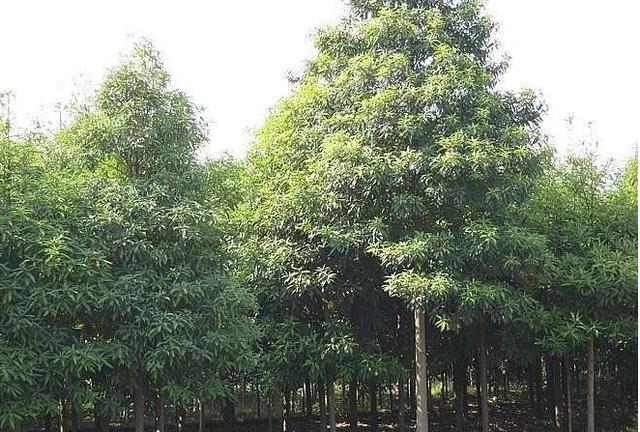
Zhennan is classified as a true Phoebe type, mainly including the fragrant garden Phoebe zhennan, Myanmar yellow nan, and small-leaf nan; Machilus is classified as a related Phoebe type, mainly including water nan, large-leaf nan, Yunnan nan, and purple nan. Below is an introduction to the planting methods for Phoebe zhennan and the climate it adapts to.
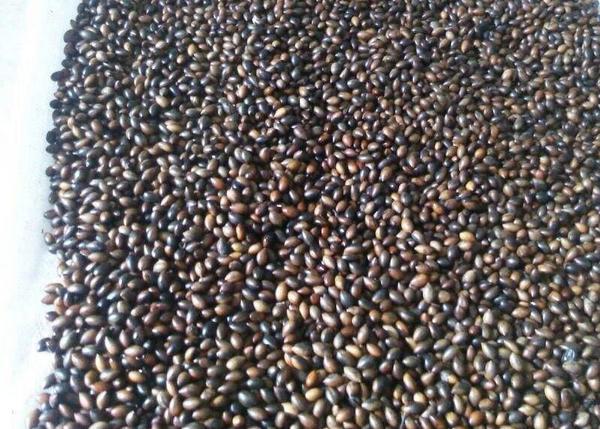
Seed collection and treatment: The seed maturation period of Phoebe zhennan is around "Minor Snow," when the fruit skin turns from green to blue-black, indicating maturity. The collected fruits must be processed promptly. The processing method is to put the fruits in a basket or wooden barrel and pound them to remove the fruit skin, then rinse them clean with water, place them indoors to dry in the shade, and never expose them to the sun. Once the water traces are slightly dry, they can be stored. The thousand-grain weight is 200-345 grams, and the nursery germination rate reaches 80%-95%.
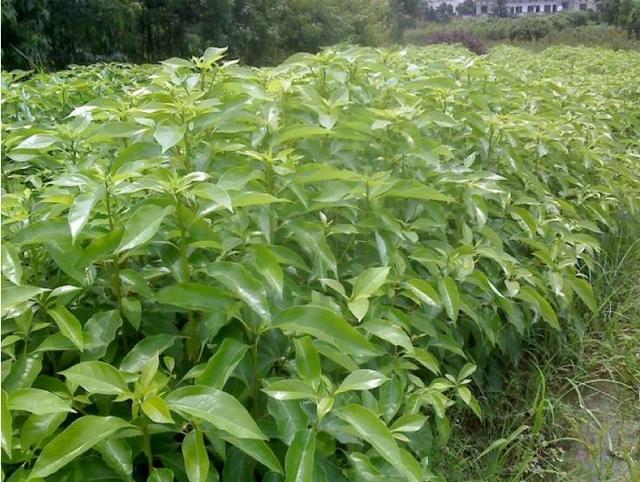
Site selection: Phoebe zhennan seedlings grow slowly in the early stage and prefer shade and moisture, so it is best to choose a nursery site with short sunshine duration, convenient drainage and irrigation, and fertile, moist soil. If the soil is heavy clay and poorly drained, root rot is likely to occur; if the soil is dry and lacks water, the seedlings will grow poorly and are also prone to scorching.
Sowing:Before sowing, the nursery site should be given sufficient base fertilizer, and the land preparation and bed building should be done carefully. Generally, drilling is used, with a row spacing of 15-20 cm and a row width of 6-10 cm. The sowing rate is 20 kg per mu. After sowing, cover with 1-2 cm of fine yellow subsoil, then cover with grass to keep the seedbed moist. After the seedlings emerge, timely weeding, loosening of the soil, fertilization and irrigation should be carried out.
Climate:The climate is warm and humid, growing in subtropical areas with temperatures of about 0-38°C and annual precipitation of 1400-1600 mm.
Planting:In the south, it is suitable to carry out planting in mid-November and spring from February to April. The afforestation site should be chosen on the middle and lower parts of semi-shaded slopes in mountainous areas with deep soil layers and relatively high air humidity, on both sides of valleys, or on riverside terraces. Dig planting holes measuring 40×40×40 cm, apply 200 grams of compound fertilizer per hole, and backfill with topsoil mixed evenly with the fertilizer. Choose cloudy or light rainy days for planting. Before planting the seedlings, prune the branches appropriately and cut off excessively long or damaged roots.
Tending: Within 3-5 years after afforestation, tending management should be strengthened. Before the young forest canopy closes, hoe weeds and loosen the soil 2 times per year. The tending time should be arranged before the peak growth season arrives, that is, the first tending in April-May and the second in August-September. In the year of planting, tending should preferably be arranged in the second half of the year.