How to grow orchids? A detailed guide to practical cultivation techniques
They are semi-shade plants that rely on orchid roots to produce orchid fungi for growth. Only by understanding the growth habits of orchids can we grow them well. Many orchid growers do not know how orchids should be grown and how to grow them well. Today I will tell you about orchid cultivation techniques, and I hope it will be helpful to everyone.
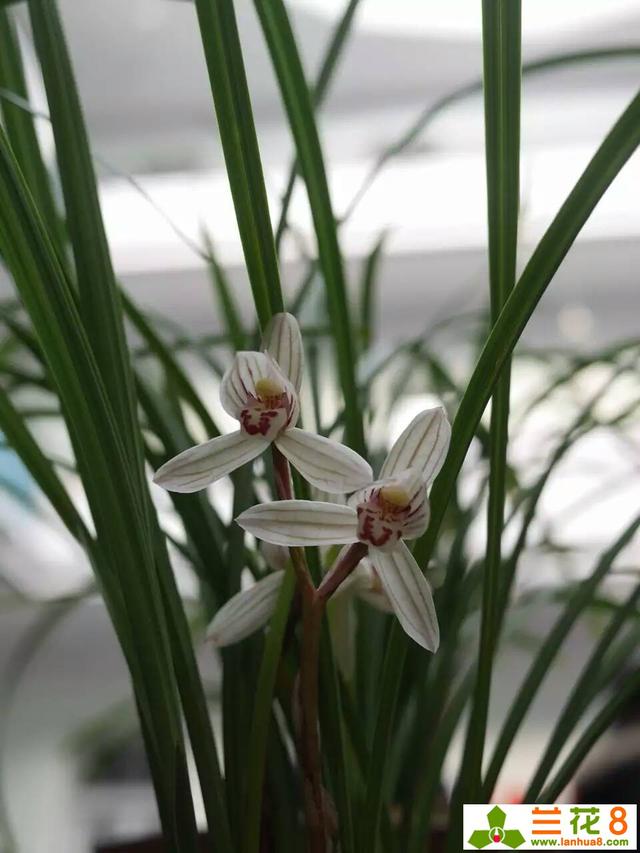
There is a saying that orchids are 70 percent about planting and 30 percent about growing. Let us set aside for now whether this saying is completely correct, but it also shows the importance of potting and growing medium for orchids. When planting orchids, we should try to choose clay pots or purple clay pots. These 2 kinds of pots have very good breathability, which is good for the growth of orchid roots. When choosing growing medium, choose one that drains well, has good breathability, and can also retain moisture, such as the common ones: brick granules, burned honeycomb coal, willow bark, pine bark, pine needles, charcoal, river sand, etc. When choosing humus-type growing medium, pay attention to fully fermenting it and boiling it at high temperature. The purpose of boiling is mainly to kill the insect eggs hidden in humus-type growing medium and reduce the incidence of disease in orchids.
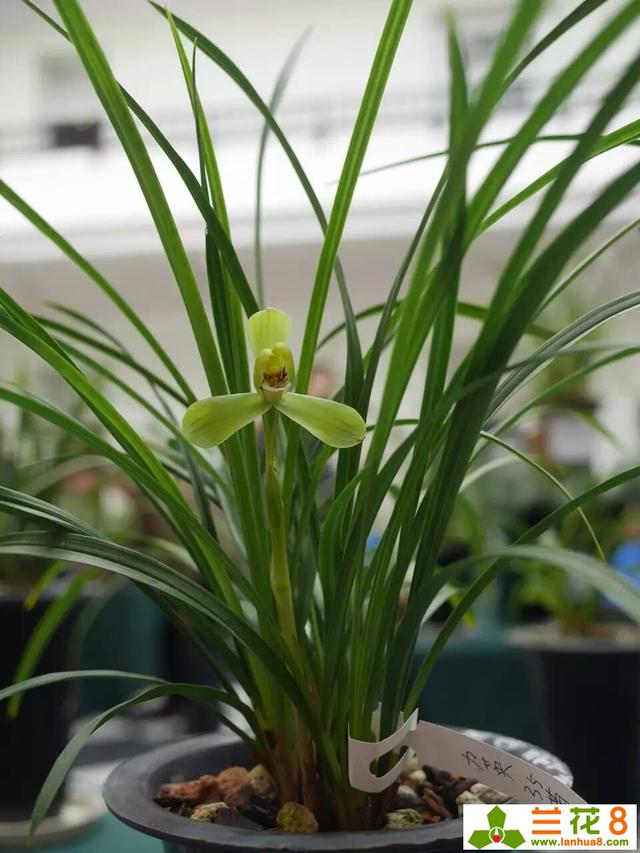
In orchid growing, there is also a saying: growing orchids and watering takes three years of skill. This likewise reflects the importance of watering in orchid growing. Orchid watering mainly includes three methods: "pouring," "spraying," and "soaking." When watering orchids, we should follow the rule of not watering when not dry, and watering thoroughly when watering. Aim for 80 percent dry and 20 percent moist. In spring, summer, and autumn, you can water more; in winter, water less; on cloudy and rainy days, water less or preferably not at all. On hot days, water after sunrise or at sunset, and do not water at noon. In winter, water at sunrise, and when watering, do not let water get into the leaf core. In summer and autumn, do shade work for orchids well, and in winter, do freeze protection work for orchids well. Regularly prune away withered leaf bases of orchids and keep good ventilation. Wait 1-2 [units] before fertilizing wild-collected orchids; for established plants, if the seedlings are strong, fertilize more or more frequently, and if the seedlings are weak, fertilize less or not at all. There is another point to note: orchids should be placed on orchid racks as much as possible, and it is best not to place them directly on the ground.
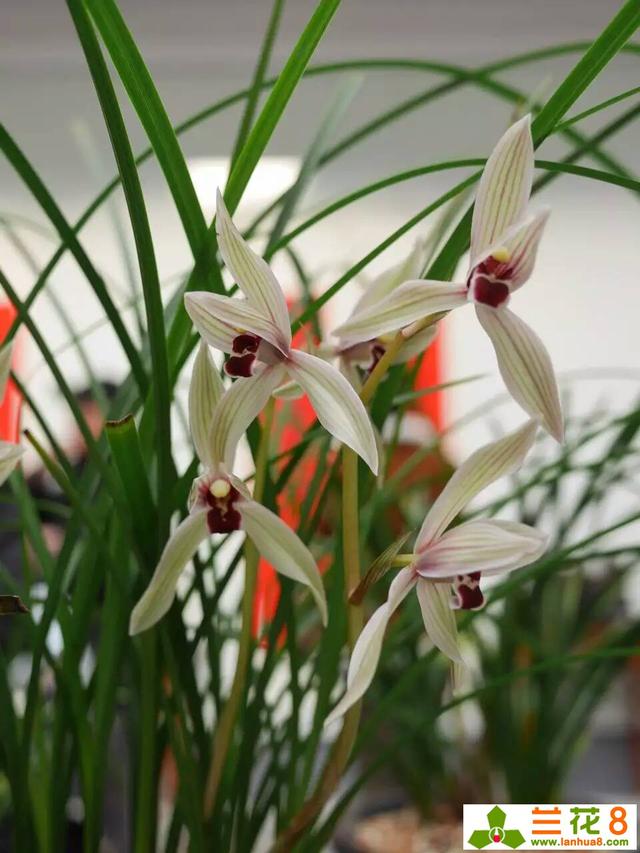
The above are the issues that must be addressed in orchid growing, and they are also some of the bigger issues. Only by solving the above problems can orchids be grown well. I hope friends who are still troubled by orchid growing, or who still do not know how orchids should be grown, can carefully understand what is said above after seeing it. It is put relatively simply, but it is all very practical. Today's topic of how orchids should be grown and orchid cultivation techniques ends here. Friends who do not understand can leave a message below. Promote Chinese orchid culture and spread orchid knowledge! Search on WeChat public account: Orchid Bar. Follow me, your good teacher on the road to growing orchids!