-

Latest Causes of Increased Coarse Fiber in Celery Petioles and Preventive Measures
In the process of growing celery, one of the problems farmers fear most is an increase in coarse fiber in the petioles, which can seriously affect the variety and sale of celery and reduce profits. So what causes the increase in coarse fiber in celery? What measures should be taken to avoid it? Follow the editor to
-
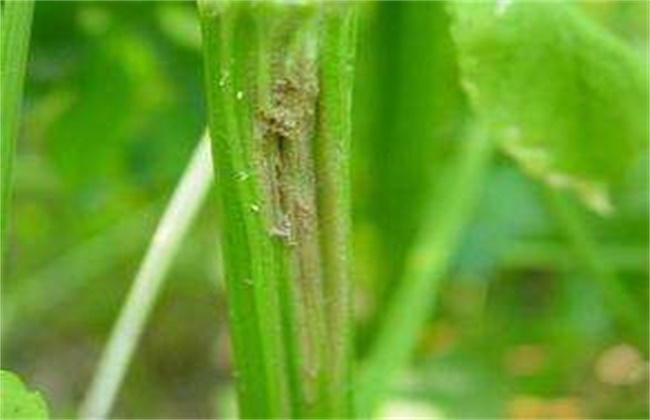
Reasons for increased coarse fiber in celery petioles and preventive measures
Reasons for increased coarse fiber in celery petioles and preventive measures
-
Control Measures for Hollow and Cracked Celery Petioles
During the growing period of celery (Apium graveolens), especially in the middle and late stages, white spots, hollow cavities, or transverse and longitudinal cracks often appear on the cross-section of the petioles. The causes and solutions are as follows. Boron deficiency in the soil. This is the main cause of petiole cracking. Apply 0.5-1 kg of borax per mu as a base fertilizer. Once slight petiole cracking is found, spray the leaves with a 0.2%-0.5% borax aqueous solution, or drench the roots with a 0.25% borax aqueous solution. Improper sowing time or insufficient nitrogen fertilizer. For open-field autumn planting, sowing too late, combined with insufficient nitrogen fertilizer, causes the plants
-
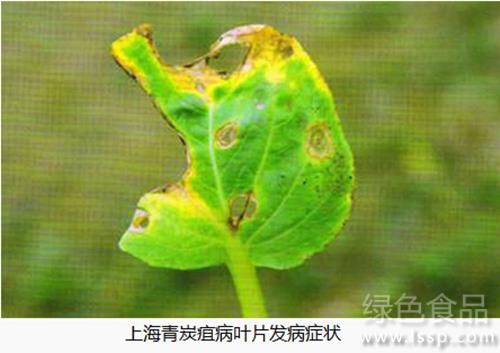
White spots on Shanghai bok choy leaves and brown spots on petioles? Anthracnose control methods
White spots on leaves and brown spots on petioles in Shanghai bok choy: anthracnose control methods
-
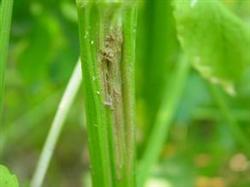
Cause analysis and control methods for celery petiole cracking
Celery petiole cracking mainly shows as the stem base splitting open together with the petiole. The first cause of cracking is boron deficiency; the second is growth being hindered under low temperature and drought conditions. In addition, sudden high temperature and high humidity, with the plant absorbing too much water, cause the tissue to fill with water rapidly, which can also cause cracking. Control methods: first, apply...
-
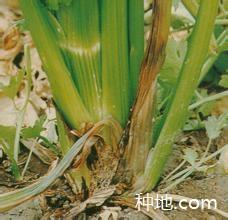
What causes celery petiole splitting?
Celery soft rot is highly damaging. How can celery soft rot be effectively and practically controlled? The control methods include the following: 1. Crop rotation. Celery soft rot spreads mainly through soil and other means. Soil in fields with continuous cropping tends to accumulate large amounts of pathogens, and continuous cropping is bound to make the disease more likely and more severe. Therefore, rotation of more than two years should be practiced...
-
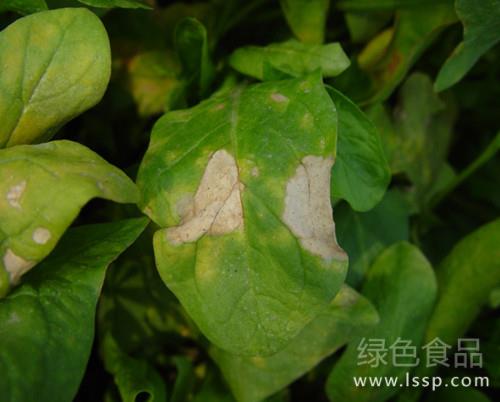
Spinach leaves and petioles in greenhouses develop long grayish-brown lesions; how do you prevent and control anthracnose?
Leaves and petioles develop grayish-brown lesions: how to prevent and control spinach anthracnose in greenhouses
-
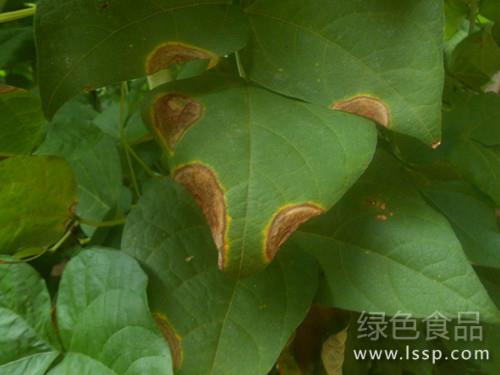
How to prevent and control bean anthracnose? Watch out for brown spots on leaves and cracking on stems and petioles
Brown lesions on leaves, cracking on stems and petioles: prevention and control methods for bean anthracnose
-
What kind of herbaceous plant is the mirror plant?
The mirror plant (Pilea peperomioides) is a perennial succulent herbaceous plant. The mirror plant's thick, nearly round, fleshy leaves have petioles attached in a peltate manner, much like the mirror in which ancient immortals looked at their faces, so people affectionately call it the mirror plant.
-
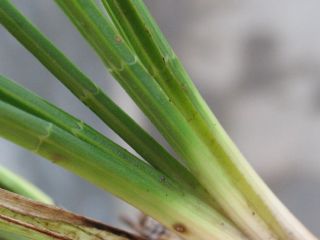
What is the orchid petiole ring? A leaf structure shaped like a finger ring
The orchid's finger ring: both Cymbidium goeringii (spring orchid) and Cymbidium ensifolium (Chinese cymbidium) have a petiole ring, located roughly within 1-4 cm of the orchid pseudobulb, appearing as a ring-shaped protrusion, the dividing line between the petiole and the leaf blade; when the leaf withers it breaks off at the finger ring. The appearance of the petiole ring also indicates that this seedling is about to reach maturity. Orchid leaves often drop at a certain point at the base, and this point is usually formed by transverse...
条件筛选