-

How to Grow Peppermint? Detailed Guide to Planting Methods and Care Points
A detailed introduction to peppermint planting methods and care techniques, including how to grow peppermint, soil preparation, light and watering, propagation methods, fertilizing and pruning, pest and disease control, and other practical content.
-
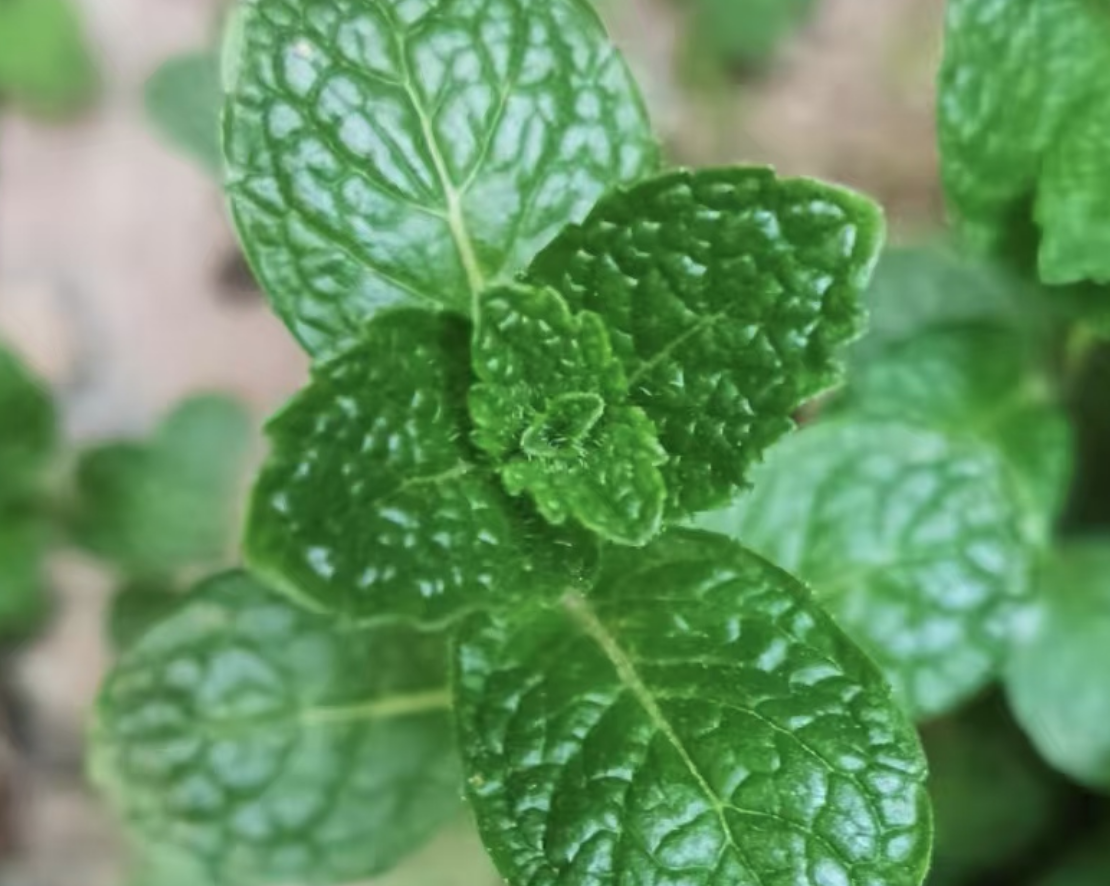
Differences between Spearmint and Peppermint
I believe that friends who like to grow some herbaceous plants at home have all grown mint before, as it can bring a fresh taste to the mouth. However, there
-
How to Grow Peppermint? Planting Methods and Points to Note
Peppermint is a type of mint, and it can now be seen in many places on the market. Peppermint has high ornamental value, and its main ornamental feature is its leaves, which stay evergreen all year round and look very lively. Nowadays, many people grow pep
-
Mint Growing Conditions, Blooming Period, and the Differences Between Peppermint and Japanese Mint
This is a familiar wild field plant. When you are tired, pick a mint leaf, rub it, and take a sniff - it really does refresh the mind. The mint strips commonly used in childhood were crystals of mint oil. How to grow mint, its growing environment characteristics, how many different kinds have you seen
-
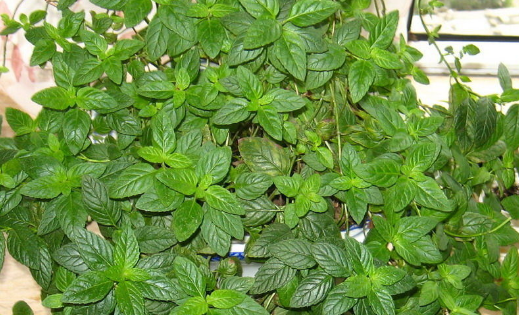
Cultivation and Propagation Methods, Precautions, and Benefits of Peppermint (Mentha × piperita) in the Lamiaceae Family
Peppermint prefers a warm, humid environment, so what are the cultivation methods and precautions for peppermint? How do you propagate it? What benefits and effects does it have? According to available information, peppermint is a major economic mint species, its leaves can be used as a vegetable, served cold or stir-fried, and it is commonly used to make tea in Europe.
-
What is the difference between spearmint and peppermint?
[Spearmint]The difference between spearmint and peppermint
-
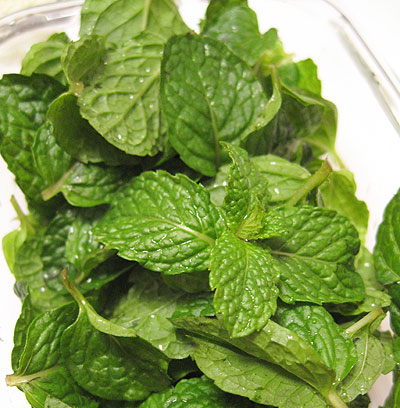
How to grow peppermint? A detailed guide to cultivation methods and precautions
Peppermint is a perennial herbaceous plant with a creeping root system, aromatic and cooling in flavor. It has creeping rhizomes with nodes, each node bearing two opposite buds and bud scales. The stems are four-angled, upright, covered with fine hairs on the upper part and only a few fine hairs along the angles on the lower part. The leaves are opposite, oblong-lanceolate to elliptic, 8-10 cm long
-
-
-
条件筛选