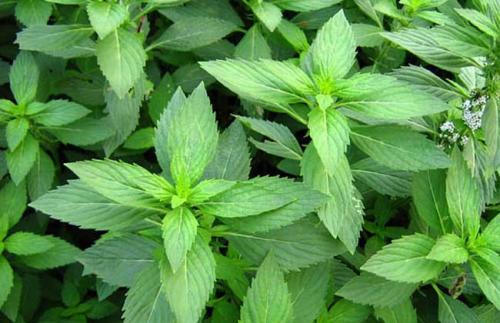
Mint Growing Conditions, Blooming Period, and the Differences Between Peppermint and Japanese Mint
This is a familiar wild field plant. When you are tired, pick a mint leaf, rub it, and take a sniff - it really does refresh the mind. The mint strips commonly used in childhood were crystals of mint oil. How to grow mint, its growing environment characteristics, how many different kinds have you seen
This is a familiar wild field plant. When you are tired, pick a mint leaf, rub it, and take a sniff - it really does refresh the mind. The mint strips commonly used in childhood were crystals of mint oil. How to grow mint Its growing environment characteristics - how many different kinds of mint have you seen? There are so many mint varieties that they dazzle the eyes, and their natural flavors are so unusual that they leave you dumbfounded and marveling at how amazing they are.
Blooming Period
August-October, fruiting period September-November. Its scent has a strong penetrating power, cool and refreshing to the mind.
Growing Environment
It likes a sunny, warm and humid climate, and soil that is deep and rich in organic matter is best. It is highly tolerant of moisture, but not of drought, and should be kept away from the western sun.
Peppermint: Peppermint also has a quite cool scent, and looks similar to chocolate mint, but has more branches. Shown in the picture is the variegated variety "Variegated Peppermint"
Citrus Mint: Has a sweet citrus fragrance
Grapefruit Mint: Has a rich grapefruit fragrance
Japanese Mint: A variety that cannot be eaten, usually used in industry, extracted and made into mint-related products.
Coin Mint (Glechoma hederacea): Although it is called mint, in classification coin mint is not a type of mint. It belongs to the genus Glechoma, and is a traditional commonly used folk herbal medicine. Shown in the picture is the variegated variety "Variegated Coin Mint".
Lemon Balm Mint: Also known as lemon balm, the plant grows about 50-80 cm tall. It is a perennial herbaceous plant, very cold-hardy and easy to grow. Its flowers and leaves are used to make tea, and have the functions of relaxing the mood, helping sleep and promoting digestion.