-

Occurrence Patterns and Control Methods of Jujube Fruit Shrink Disease
I. Symptoms and Damage Jujube fruit shrink disease, also known as jujube fruit wilt disease, jujube fog wilt disease, etc., is one of the major diseases in all major jujube-growing regions of China. In jujube fruits affected by fruit shrink disease, yellow-brown irregular discolored spots first appear on the fruit shoulder or body, then the fruit skin becomes water-soaked and earthy yellow with indistinct edges, and later the fruit skin turns dark red, shrinks, and loses its luster. In the diseased area of the flesh, brown spots and earthy yellow softness appear from the outside inward. Diseased fruits taste bitter. The fruit stalk turns brown or dark brown. The entire diseased fruit is shrunken and small, and falls off before maturity.
-
A Detailed Explanation of the Occurrence Patterns and Control Methods of the Jujube Leafroller
The jujube leafroller belongs to the order Lepidoptera, family Tortricidae. Common names include leaf-tying worm, leaf-sticking worm, leafroller, and so on. It occurs and causes damage to varying degrees in most jujube-growing areas nationwide, and is one of the major pests of jujube trees. I. Damage characteristics: The jujube leafroller uses its larvae to spin silk and damage buds, leaves, flower buds, flowers, and fruits. Especially the third-generation larvae, which are in the fruit-coloring period, often glue jujube leaves and jujube fruits together with thin silk, and within this shelter gnaw at the jujube skin and flesh at the fruit stalk, causing a large number of fallen and rotten fruits. II. Life habits: In Shandong, He
-
Occurrence patterns and control methods of black locust canker disease
Black locust canker disease is a major trunk and branch disease of black locust (Robinia pseudoacacia), affecting both young and mature trees. The disease mostly occurs in the bark of the main trunk. After trees are affected, lesions of varying sizes mostly appear on the lower part of the main trunk and at branch forks, and the lesions are spindle-shaped, oval or irregular. On young trees, the diseased part of the main trunk is cankerous and slightly sunken; on large trees, the bark of the main trunk is thick, and the diseased part is water-soaked with no obvious sunken areas. The disease spreads faster lengthwise than crosswise. When the diseased area encircles the trunk completely, the tree withers and dies. In the later stage, at the lenticels and bark cracks of the diseased part
-
How to control broad mites in greenhouses and sheds? Understanding the occurrence pattern is key
In greenhouse fruit and vegetable production, curled and shrunken growing points of plants, deformed and cracked fruits are often seen, causing serious losses to production. Because the temperature and humidity inside the greenhouse are very suitable for the growth and reproduction of broad mites, and fruit vegetables are their main targets, and the mites are extremely small and invisible to people, timely control is impossible. Therefore, in recent years, the area of occurrence and damage has been growing larger and larger, which should attract great attention from producers. Broad mites belong to the class Arachnida, order Acariformes, family Tarsonemidae, and are harmful microscopic pests. They mainly damage cucumbers, eggplants, and tomatoes among greenhouse vegetables.
-
Occurrence Patterns and Control Methods of the Euonymus Leafroller Moth
The Euonymus leafroller moth belongs to the order Lepidoptera, family Zygaenidae. Its larvae damage the tender leaves and shoots of host plants, feeding on the foliage; in severe cases they strip the branches bare, or even cause entire stands to wither and die. In the Jining region, the Euonymus leafroller moth has one generation per year and overwinters as eggs on the host's branches and shoot tips. The overwintering eggs mostly hatch in mid-to-late March; in sheltered, sunny spots they can hatch 5-7 days earlier, and the hatching peak generally occurs around March 20. A single egg mass can finish hatching in 2-3 days, which coincides with the emergence of new leaves on the Euonymus. From late April to early May, the mature lar
-
A Detailed Explanation of the Occurrence Patterns and Control Methods of the Ginger Borer
The ginger borer (also known as the corn borer, belonging to the Lepidoptera order and the Pyralidae family) is a major pest harming ginger. It has a very diverse diet; when causing damage, its larvae bite and feed on tender stems, then bore into the stalk (with frass and insect droppings accumulating at the entry hole), obstructing the transport of water and nutrients, causing the stems and leaves above the bore hole to turn yellow and wilt, and to break very easily under external force. 1. Occurrence patterns. The ginger borer generally produces 3-4 generations per year in our area, and its concentrated damage period coincides exactly with the vigorous growth period of ginger plants. Larvae move between plants to cause damage
-
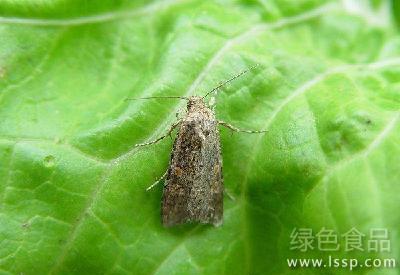
Occurrence Patterns and Control Methods of the Beet Armyworm Pest
Occurrence Patterns and Control Methods of the Beet Armyworm Pest
-
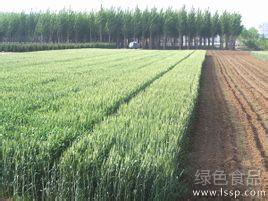
What are the technical characteristics of wheat field intercropping and multiple cropping patterns?
Analysis of the technical characteristics of the "intercropping and multiple cropping" pattern in wheat fields
-
Occurrence Patterns and Control Methods of Kiwifruit Gray Mold
Kiwifruit gray mold mainly occurs during the flowering stage, young fruit stage and storage period of kiwifruit. In severe years, the incidence rate in orchards and during storage can reach more than 50%. Kiwifruit gray mold has become one of the main diseases affecting the healthy development of the kiwifruit industry. 1. Symptoms When young fruit (late May to early June) is affected, residual stamens and petals are densely covered with gray spores. At the initial stage, the fuzz on young fruit turns brown, the skin is infected, and in severe cases it can cause fruit drop. Contaminated stamens and petals attach to leaves and form concentric ring lesions centered on them; the lesions expand and leaves drop. If rain occurs, the disease develops more severely. After fruit is affected, gray-brown mycelium and spores form on the surface, followed by black sclerotia. During storage, fruit is easily infected by diseased fruit.
-

How to fertilize napa cabbage? Master the fertilization patterns and methods
Fertilization patterns and methods for napa cabbage
条件筛选