-

Occurrence Patterns and Control Methods of Vegetable Seedling-Stage Diseases
Occurrence and Control of Vegetable Seedling-Stage Diseases
-
Occurrence patterns and control methods of mint rust
Occurrence of mint rust and its control methods
-
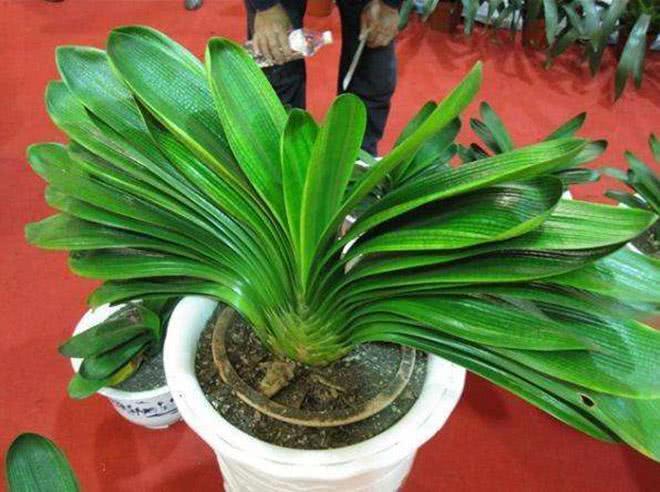
Thick leaves, deep leaf patterns, and fast flower spike emergence in clivia all depend on this little trick
Many people love growing clivia, but few grow it well. Many flower enthusiasts ask, how can we grow clivia well? We need to talk about it from several aspects. 1. If you want clivia to grow well, fertilizer and water must keep up. The soil should be...
-

Occurrence patterns and control methods of leaf blight in potted orchids
Occurrence patterns and control methods of leaf blight in potted orchids
-

What are the patterns in the humidity requirements of potted orchids?
What are the patterns in the humidity requirements of potted orchids?
-
What to Do About Flower Pests and Diseases in Autumn? Occurrence Patterns and Control Methods
The Occurrence and Control of Flower Pests and Diseases in Autumn
-
Flower watering methods for different seasons and the occurrence patterns of rust disease in seedlings
Occurrence patterns of rust disease in flowers and seedlings
-

How to prevent and treat leaf blight in areca palms? Understand the disease pattern to prevent and treat it early
Understand the pattern and treat promptly: areca palm leaf blight
-
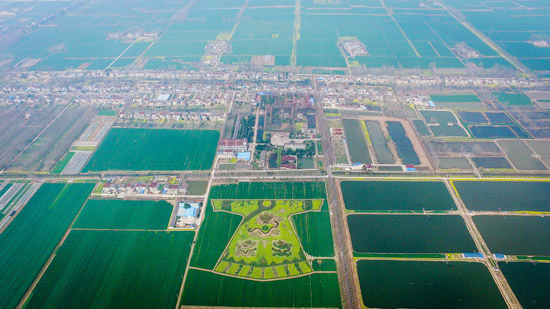
Nanjing rapeseed field grows a dragon robe pattern as a landscape
A rapeseed field in Nanjing grows a "dragon robe" to stage a grand show
-
Detailed Explanation of the Main Symptoms and Onset Patterns of Eel Hyperactivity Disease
Caused by Eel Coronavirus-like Virus. Main symptoms: 1) Diseased eels dart erratically up and down in the water at the pond edge, or roll and spin, or swim backwards, with occasional paroxysmal spasmodic trembling or twisting of the head, mouth open, followed by death shortly after. There are no obvious external lesions, though slight congestion or ulceration may sometimes be seen in the oral cavity, anal fin, and pectoral fin areas; necropsy may reveal swelling of the liver or kidney. 2) In the early stage of onset, a small number of eels swim irregularly at the pond edge, swimming weakly, with intermittent head twitching, spinning and rolling, or backward movement. After a few days, a large number of eels show similar symptoms, with paroxysmal trembling of the head, and after frantic swimming at the water surface they die quickly; newly dead eels are rigid with the mouth open. The body surface of diseased fish is intact, but the lower jaw shows varying degrees of ulceration or congestion. Some diseased fish have congestion or ulceration in the oral cavity, anal fin, and tail. Most diseased fish have bright red gill filaments and pale red liver, and some have swollen kidneys. In diseased eels, red blood cells, hemoglobin, and serum chloride ions are significantly elevated, while blood urea nitrogen content is significantly decreased, and serum cholinesterase is reduced. At present, because understanding of this disease is still lacking, diagnosis can only be based on the above main symptoms. It mainly occurs in European eels and African eels, with the high-temperature summer period as the peak epidemic season, hence it is also called European eel summer hyperactivity disease. From the start of onset to the peak period is about 7 days, and mass mortality occurs about 15 days after onset; the speed of spread and transmission is very fast, and it readily forms outbreaks and epidemics.
条件筛选