Occurrence patterns and control methods of leaf blight in potted orchids
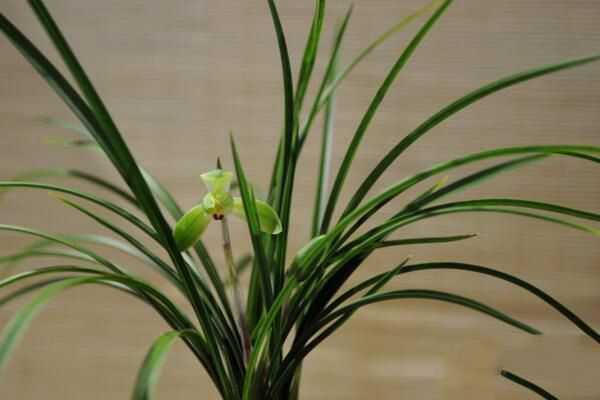
The pathogen of leaf blight is Phoma macrostoma, which can damage different parts of orchid leaves. In the early stage of damage to the leaf tip, light brown spots appear, and later the diseased spots turn dark brown; after the lesions merge, the leaf tip dies. When the middle of the leaf is damaged, the lesion area is relatively large, round or oval, with a dark brown center, and in severe cases the entire leaf dies. Therefore, today the editor will talk about the occurrence patterns and control methods of leaf blight in potted orchids, hoping it can be helpful to everyone.
I. Occurrence patterns
The pathogen of leaf blight overwinters as mycelium or conidia in diseased residual tissues. The disease is most severe after a cold wave when high temperature and high humidity occur. The pathogen invades through leaf wounds or natural openings with the help of wind, rain and water droplets, and spreads to the surroundings. From April to May, the disease damages old leaves, and from July to August, it mainly damages new leaves.
II. Control methods
1. Strengthen preventive work and take care to avoid cold waves and rainstorms
Orchid leaf blight is most severe after a cold wave when high temperature and high humidity occur. Therefore, in late spring, pay attention to weather forecasts at all times. Once extreme weather occurs, corresponding measures should be taken to avoid cold waves and rainstorms.
2. In the early stage of the disease, isolate promptly and spray pesticides for centralized control
When light brown small spots are found on the leaf surface of orchid plants, promptly remove the diseased residual tissues and burn the diseased residues to prevent the pathogen from re-infecting; take isolation measures for diseased orchid plants and carry out centralized pesticide spraying for control. Generally, spray once every 7-10 days. For control agents, you can choose 50% prochloraz manganese salt wettable powder 1000-1500 times solution, 25% prochloraz emulsifiable concentrate 1500 times solution, 10% difenoconazole water dispersible granules 3000 times solution, 25% propiconazole emulsifiable concentrate 1500 times solution.