-

Auction of temporary state-stored paddy rice achieves a transaction rate of only 5.47%
Auction of temporary state-stored paddy rice achieves a transaction rate of 5.47%. With the approval of the relevant state departments, the national temporary state-stored paddy rice competitive sales trading session held on June 16 planned to sell 1,756,736 tons of paddy rice, with an actual transaction volume of 96,166 tons and a transaction rate of 5.47%, of which: 2013 early indica rice planned sales of 494
-
Poor rice sales drag paddy prices lower
Recently, prices in some indica rice-producing areas in southern China have been steady to lower under the influence of many factors. Among them, poor rice sales are one of the important reasons for the decline in paddy prices. Entering the second quarter, sales in the domestic rice market were lower than in the first quarter, and the southern market was also squeezed by imported rice, so enthusiasm for purchasing paddy for processing and trading was relatively low. The indica rice market is expected to remain weak in the later period.
-
Concentrated rotation of paddy rice will bring greater pressure to the market
Since March, many provinces in the south have already begun clearing warehouses to make room, and the concentrated rotation period for paddy rice is about to arrive. As domestic paddy rice stocks are sufficient and imported rice continues to flow into the domestic market, the entry of old rice into the market through rotation will inevitably increase supply pressure on the paddy rice market, especially the southern indica rice market.
-
More paddy fields in southwest China converted from water to dry land, undermining disaster resilience and the ecological environment
Paddy fields seen everywhere in southwest China are facing a crisis: more and more are being converted from water to dry land, more are being left abandoned, and their number keeps shrinking. This not only directly affects agricultural production but, more importantly, paddy fields in the southwest also serve as a huge water conservation area, and their destruction poses no small hidden risk to agriculture
-
Northeast japonica rice market remains stable, with the "strong paddy, weak rice" trend prominent
Recently, the Northeast japonica rice market has been operating steadily, with the "strong paddy, weak rice" feature prominent. Unlike the sharp rise in long-grain paddy, against the backdrop of strict moisture and impurity deductions at state reserve warehouses, round-grain paddy has performed relatively steadily, with only low-moisture paddy seeing an increase of about 2-3 fen compared with last month
-
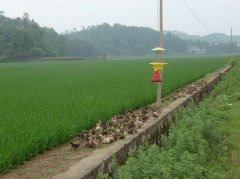
New Technology for Ecological Duck Farming in Rice Paddies: An Introduction to Efficient Duck Farming Methods
Natural ecosystems are diverse, with various organisms coexisting in harmony. We can raise many animals in rice paddies to increase income. Let's take a look at how to raise ducks in the fields. Also, beneath this beautiful ecology lie troublesome problems. For organic farms
-

Rice policy promotes first-crop rotation and second-crop conversion to landscape crops to stabilize production and sales
At present, the area of first-crop and second-crop rice paddies in our country is about more than 270,000 hectares. Council of Agriculture Minister Chen Chi-chung said in an interview after a press conference on the 24th that, according to estimates by the Agriculture and Food Agency, the rice paddy area must fall to about 250,000 hectares to stabilize market supply and demand. Therefore, the Council of Agriculture is promoting measures such as the "Industrial Adjustment of First-Crop Rice in Water Resource Competitive-Use Areas" and the "Promotion of Converting Rice Paddies in the Second Crop to Landscape Crops," hoping to reduce the rice cultivation area and stabilize rice production and sales.
-
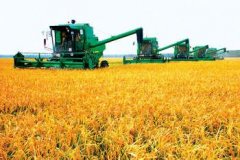
In 2019, wet paddy prices in Kaohsiung and Pingtung fell sharply, to less than 9 yuan per Taiwanese catty
Recently, rice harvesting has begun in parts of Kaohsiung and Pingtung, but it has been reported that because of last year's bumper rice harvest, the harvest volume hit a record high and has still not been absorbed, so the price offered by grain dealers for wet paddy is less than 9 yuan per Taiwanese catty. Many farmers have already reported to local elected representatives that growing rice
-
What to Do When Dried Millet Gets Bugs? Practical Control Methods Shared
Paddy stored for a long time without sun-drying easily breeds moths, and this is what people find most distressing, as they cannot think of a good way to deal with these uninvited guests. So what should be done when dried millet gets bugs? 1. What to do when dried millet gets bugs. 1. Sun it often. Move the grain out under the sun, spread it out and expose it to strong sunlight,
-
Detailed Explanation of Key Points for Early-Stage Cultivation Management of Rice in Paddy Fields
As the saying goes, "three parts planting, seven parts management." After rice transplanting, it enters the paddy field management stage, and whether management techniques are in place has a great impact on per-unit yield. The core of early-stage cultivation management in paddy fields is "applying tillering fertilizer heavily and early." This can promote early and rapid growth of seedlings, ensure early formation of effective tillers, and lay the foundation for high yield.
条件筛选