-

Jinzhu She Ethnic Township's Cold-Water Paddy Fields: Farming Rice Flower Fish Leads to Prosperity
Jinzhu She Ethnic Township Gets Rich by Raising "Rice Flower Fish" in "Cold-Water Paddy Fields"
-
Technical Guidance on Chemical Weed Control in Paddy Fields
Chemical weed control in paddy fields is a key step in achieving high and stable rice yields. There are three main types of weeds in the rice fields of our county: grassy weeds such as barnyardgrass, sprangletop, and crabgrass; broadleaf weeds such as monochoria, pondweed, and Rotala indica; and sedge family weeds. In recent years, because rice planting methods in our county have become diverse, the weed spectrum in paddy fields has undergone considerable change: first, some malignant weeds in paddy fields are on the rise. In addition to barnyardgrass, which remains widespread and abundant, sprangletop and Cyperus serotinus have shown a clear upward trend;
-
High-yield cultivation techniques and conditions for Agaricus bisporus in paddy fields
Among cultivated edible mushrooms, the button mushroom has the largest cultivation area and the highest yield. The button mushroom is a general term for several edible fungi of the genus Agaricus. Currently, two species are mainly used in production: Agaricus bisporus and Agaricus bitorquis, with Agaricus bisporus having the largest cultivation area. Agaricus bisporus (also known as white mushroom, button mushroom, or cultivated mushroom) has three strains: brown, cream, and white, among which the white Agaricus bisporus has better economic value. In terms of cultivation methods, it is divided into mushroom house cultivation, greenhouse cultivation, and open-field paddy cultivation (also known as "field mushroom"). Growers can choose according to their
-
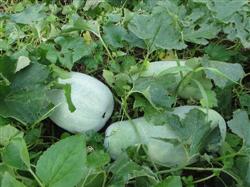
What are the key management techniques for growing winter melon in paddy fields?
How do you manage winter melon grown in paddy fields? What methods can increase yield? Growing winter melon in paddy fields can use the following three methods to increase yield: fertilizer and water management. During the stem and vine growth stage of winter melon, watering is not easy, so a combined "promote" and "control" management approach should be adopted. After watering, cultivate in time to conserve soil moisture and extend the watering interval...
-
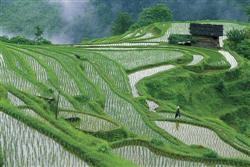
Why is it emphasized that paddy fields should be given more organic fertilizer?
When rice paddies are planted year after year, large amounts of the three major elements nitrogen, phosphorus and potassium, and a certain amount of calcium, magnesium, sulfur, iron and other elements, must continually be taken from the soil every year, and small amounts of trace elements such as chlorine, zinc, manganese, boron, copper and molybdenum must also be absorbed. In addition, the silicon absorbed by rice is about 10 times that of chlorine. A large amount of various nutrients...
-
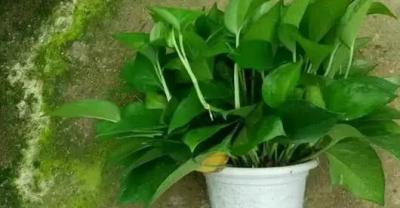
Benefit Analysis and Prospects of Raising River Snails in Paddy Fields
Is raising river snails profitable? Everyone has eaten river snails and knows they are a delicious aquatic product with considerable nutritional value, but can raising river snails really make money...
-
How should you select mushroom spawn for high yields when cultivating Agaricus bisporus in paddy fields?
Give priority to granular wheat grain spawn with good yield performance and strong stress resistance, followed by manure-straw bag spawn. To plant 1 mu of field mushrooms, about 400 bottles of wheat grain spawn are needed, with an investment of 800-900 yuan; or 800-1000 bags of manure-straw bag spawn, with an investment of about 1000 yuan. Farmers should be especially reminded that when buying spawn, they must go to a spawn farm with a good reputation.
-
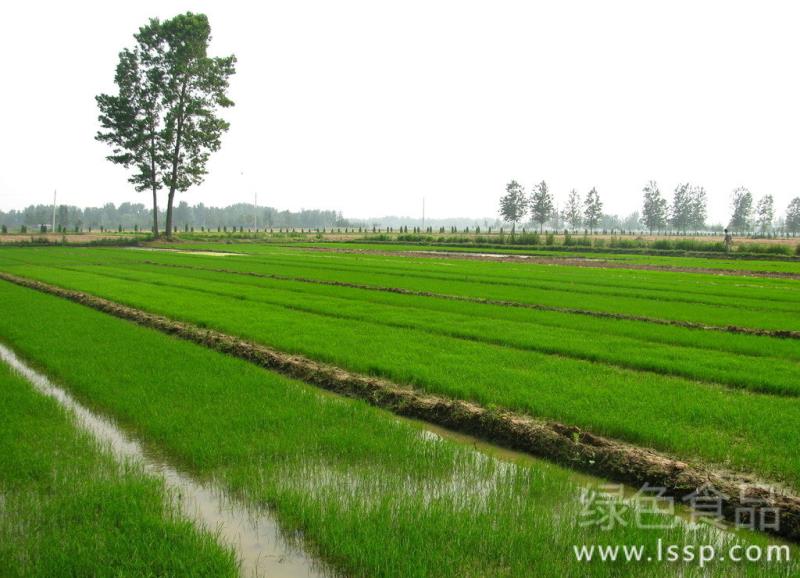
Detailed Explanation of Improvement Methods and Fertility-Building Measures for Saline-Alkali Paddy Fields
Improvement Methods and Fertility-Building Measures for Saline-Alkali Paddy Fields
-
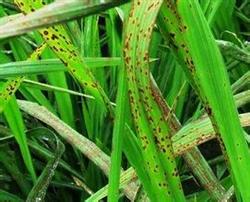
Identifying Zinc Deficiency Symptoms in Rice and Techniques for Skillfully Applying Zinc Fertilizer in Paddy Fields
Zinc is one of the essential trace elements for the growth and development of rice. Zinc deficiency in rice shows obvious symptoms. When rice is deficient in zinc, chlorotic yellow-white spots first appear in the midrib area of the lower leaves, with reddish-brown spots and irregular patches forming on them, which then gradually expand into reddish-brown streaks, turning reddish-brown and drying from the leaf tip downward, and from...
-
Detailed explanation of control techniques for sprangletop and barnyardgrass in paddy fields
Control techniques for sprangletop and barnyardgrass in rice
条件筛选