How should bio-organic fertilizer be correctly applied to flowers?
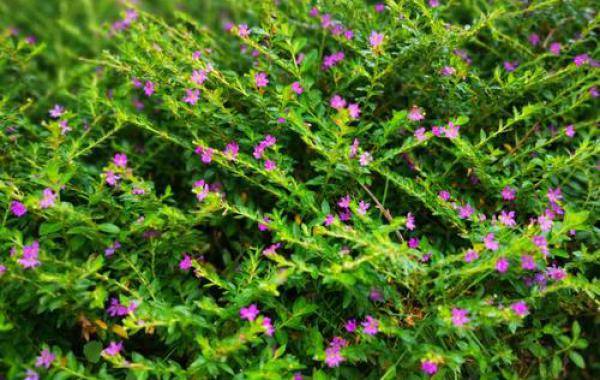
How can bio-organic fertilizer be applied to flowers without error.
Fertilizing potted flowers can be divided into base application at repotting and routine top-dressing. Potted flowers generally need repotting once every 1-2 years, and the potting soil should mostly be loose, fertile and well-drained. When repotting, choose a nutrient soil mixed with bio-organic fertilizer to provide sufficient nutrients and growing space for flower growth. Within 30 days after repotting, do not apply any fertilizer, to ensure the flowers recover and grow normally. After recovery, apply Shennong brand bio-organic fertilizer once a month; after burying or broadcasting the fertilizer, loosen the soil so that the potting soil and fertilizer are mixed evenly. For weak and slender flowers, avoid contact between the fertilizer and the roots and stems, then water thoroughly. The amount of fertilizer can be adjusted according to the plant's growth and the weather conditions. For example, on cloudy days when the leaves are thin and light green, the fertilizer amount can be appropriately larger; when the weather is hot and the leaves are thick and dark green, the fertilizer amount can be smaller. The usual amount increases or decreases with the size of the flower pot; generally, for a 26.6 cm (about 8 inch) pot, apply about 25 grams of bio-organic fertilizer each time. It can also be diluted with water at a ratio of 1:10 bio-organic fertilizer to water and poured on, or the supernatant can be sprayed on the leaves.
Potted flowers generally need repotting once every 1-2 years, and the potting soil should mostly be loose, fertile and well-drained. When repotting, choose a nutrient soil mixed with bio-organic fertilizer to provide sufficient nutrients and growing space for flower growth. Within 30 days after repotting, do not apply any fertilizer, to ensure the flowers recover and grow normally. After recovery, apply Shennong brand bio-organic fertilizer once a month; after burying or broadcasting the fertilizer, loosen the soil so that the potting soil and fertilizer are mixed evenly. For weak and slender flowers, avoid contact between the fertilizer and the roots and stems, then water thoroughly. The amount of fertilizer can be adjusted according to the plant's growth and the weather conditions. For example, on cloudy days when the leaves are thin and light green, the fertilizer amount can be appropriately larger; when the weather is hot and the leaves are thick and dark green, the fertilizer amount can be smaller. The usual amount increases or decreases with the size of the flower pot; generally, for a 26.6 cm (about 8 inch) pot, apply about 25 grams of bio-organic fertilizer each time. It can also be diluted with water at a ratio of 1:10 bio-organic fertilizer to water and poured on, or the supernatant can be sprayed on the leaves.