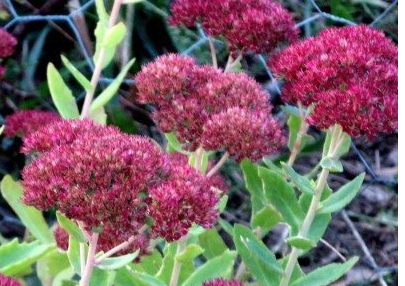
Are Sedum Plants Drought-Tolerant? How to Grow Sedum Plants and How to Propagate Sedum Plants
Sedum plants are a succulent group in the genus Sedum (Sedum spp.) and are very well suited to dry areas of the garden. Growing stonecrop is one of the easier plant projects with easier maintenance and low cultivation requirements. They belong to the genus Crassula, which contains many of our favorite houseplant succulents, such as the jade plant, as well as old garden favorites like Echeveria. These perennials will thrive in hot, sunny spots and reward you with simple colors and forms.
Stonecrop succulents. The stonecrop succulent family is large and includes low-growing, trailing plants and tall spiked flowering plants that may reach one foot high. All sedums have a rosette shape, and most produce flowers above the basal leaves. The leaves are thick and semi-glossy. Most stonecrop plants grown in gardens originated in Europe and Asia and came to North America and other parts of the world through exploration, trade, and other means - many of them have eventually naturalized and grow freely in nature (such as the wild form, Sedum ternatum). There are also a large number of hybrid types. The flowers of perennial stonecrop are rich in sweet nectar, attracting bees, moths, and butterflies. The colors vary but are usually in a range of soft tones. The flowers can remain on the plant into early winter, and even when they are dry they add size and interest to the succulent.
Growing sedum. Growing sedum is a great starter project for gardeners. They can be grown in a sunny, warm location or outdoors. Stonecrop plants are ideal for container gardening, rock gardens, along paths, or as part of a perennial border. Stonecrop succulents rarely have any pest problems and are not troubled by disease. Stonecrop does not have a deep root system and can be planted shallowly in the soil. They cannot tolerate competition from weeds and other plants, but a small stone helps reduce these pests. The plants need well-drained soil rich in organic amendments. Seedlings should be watered every few days, but afterward irrigation can be reduced, and no supplementary water is needed in autumn and winter. If growing in containers, use unglazed clay pots to promote evaporation of excess moisture. Overwatering is the most common cause of sedum problems. During the growing season, the plants need to be fertilized with a low-nitrogen fertilizer several times.
Propagating sedum plants. Sedum is one of the easiest plants to propagate, and most members of the stonecrop family can be propagated similarly. All you need is a leaf or a stem. Planting stonecrop stems in a very firm medium or laying a leaf on the surface of sandy soil will immediately produce new succulents. The plant material will root in just a few weeks, forming a completely new landscape.