-

Reasons for Poor Nutrient Absorption in Phalaenopsis Orchids and How to Solve Them
Many flower enthusiasts encounter the problem of poor nutrient absorption in Phalaenopsis orchids (moth orchids) during care, with plants showing symptoms such as yellowing leaves, slow growth and small, thin flowers. To solve this problem, it is necessary to first clarify the underlying causes and then treat them accordingly. Poor nutrient absorption in Phalaenopsis orchids is commonly caused by improper choice of potting medium.
-
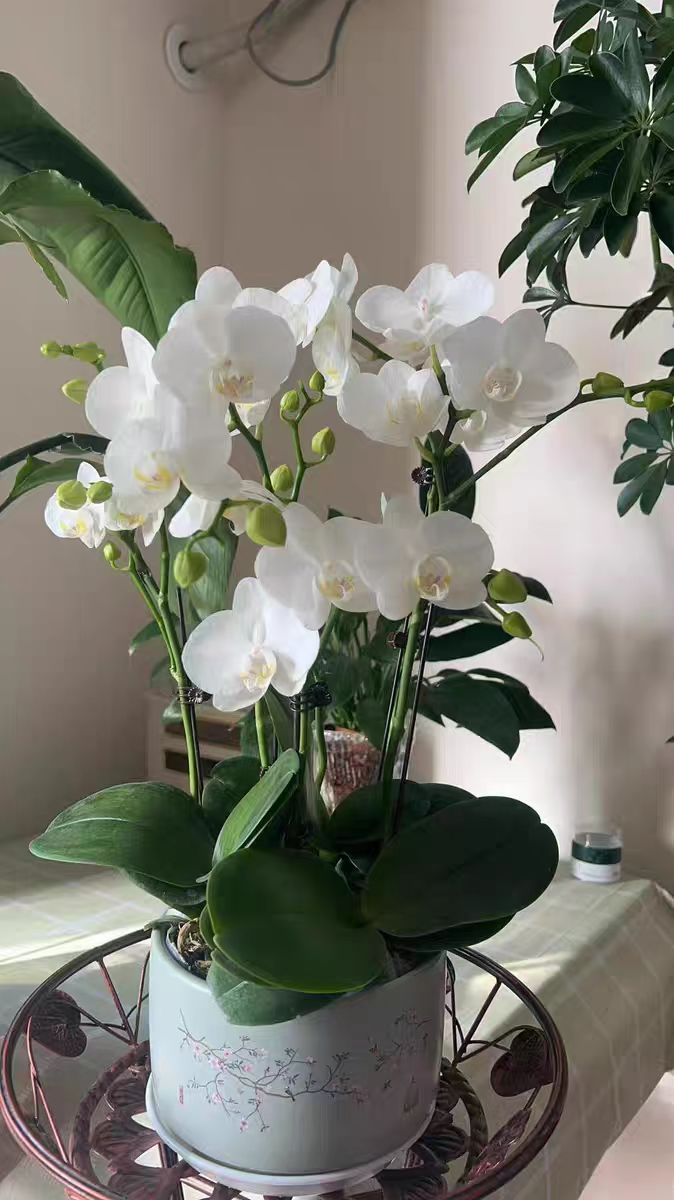
What should I do if my phalaenopsis has poor nutrient absorption?
What should I do if my phalaenopsis has poor nutrient absorption? Many flower enthusiasts encounter the problem of poor nutrient absorption in phalaenopsis
-
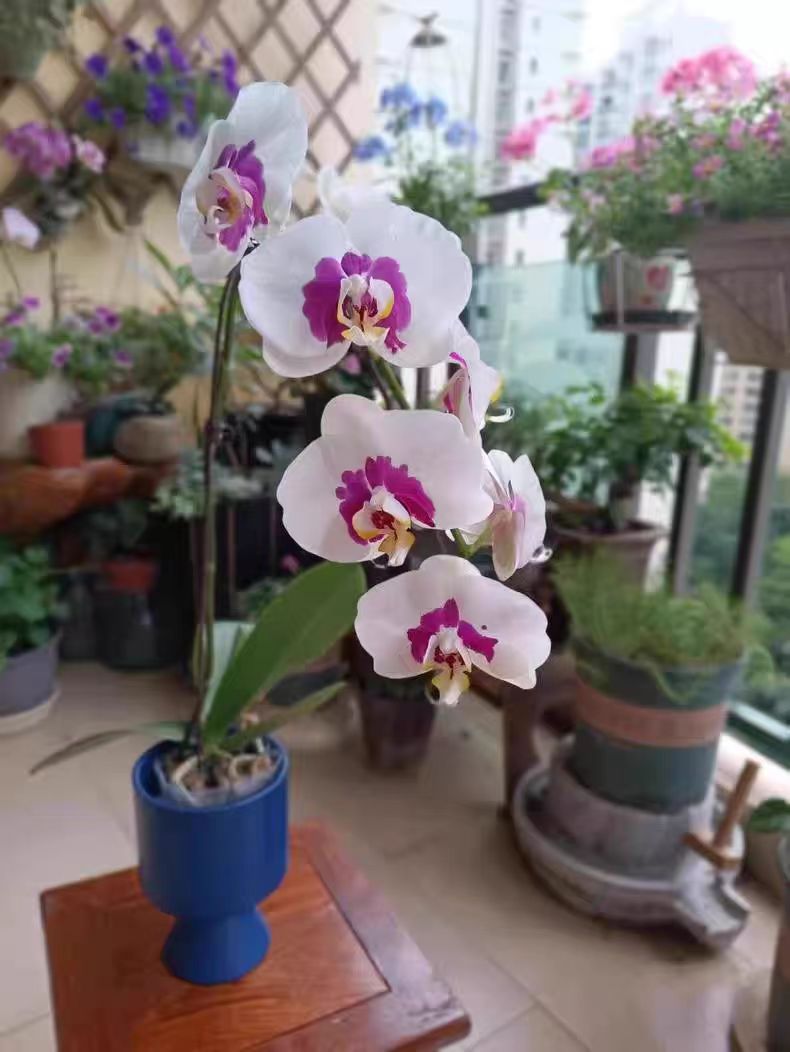
What are the functions of the nutrient cup for moth orchids?
In flower cultivation, choosing the right cultivation container is crucial for the growth of plants. As a popular indoor ornamental plant, moth orchids
-

How does the Phalaenopsis orchid absorb water and nutrients?
The Phalaenopsis orchid, whose flowers resemble butterflies with spread wings, has petals that are mostly broad and round, with colors commonly seen in white, pink, purple and multicolored varieties, and an inflorescence that is slender and graceful, giving it high ornamental value. To keep this delicate and beautiful Phalaenopsis orchid growing healthily, it is crucial to understand its mechanisms for water uptake and nutrient absorption. The unique root system of the Phalaenopsis orchid
-

What is the function of a nutrient cup for Phalaenopsis, and is its air permeability good?
In flower cultivation, choosing a suitable growing container is crucial for plant growth. As a popular indoor ornamental plant, Phalaenopsis has particularly specific requirements for container selection during its cultivation. The nutrient cup, as a growing container designed specifically for plant root development, plays an important role in Phalaenopsis cultivation.
-

How Does the Phalaenopsis Absorb Nutrients? A Detailed Explanation of Its Nutrient Sources
The Phalaenopsis, the "beauty icon" among orchids. The question of how Phalaenopsis absorbs nutrients and what it relies on to absorb them may not be familiar to everyone. Behind its beautiful blooms, an efficient nutrient absorption mechanism plays a key role. So where exactly does the Phalaenopsis absorb nutrients from? And what does it rely on to complete
-
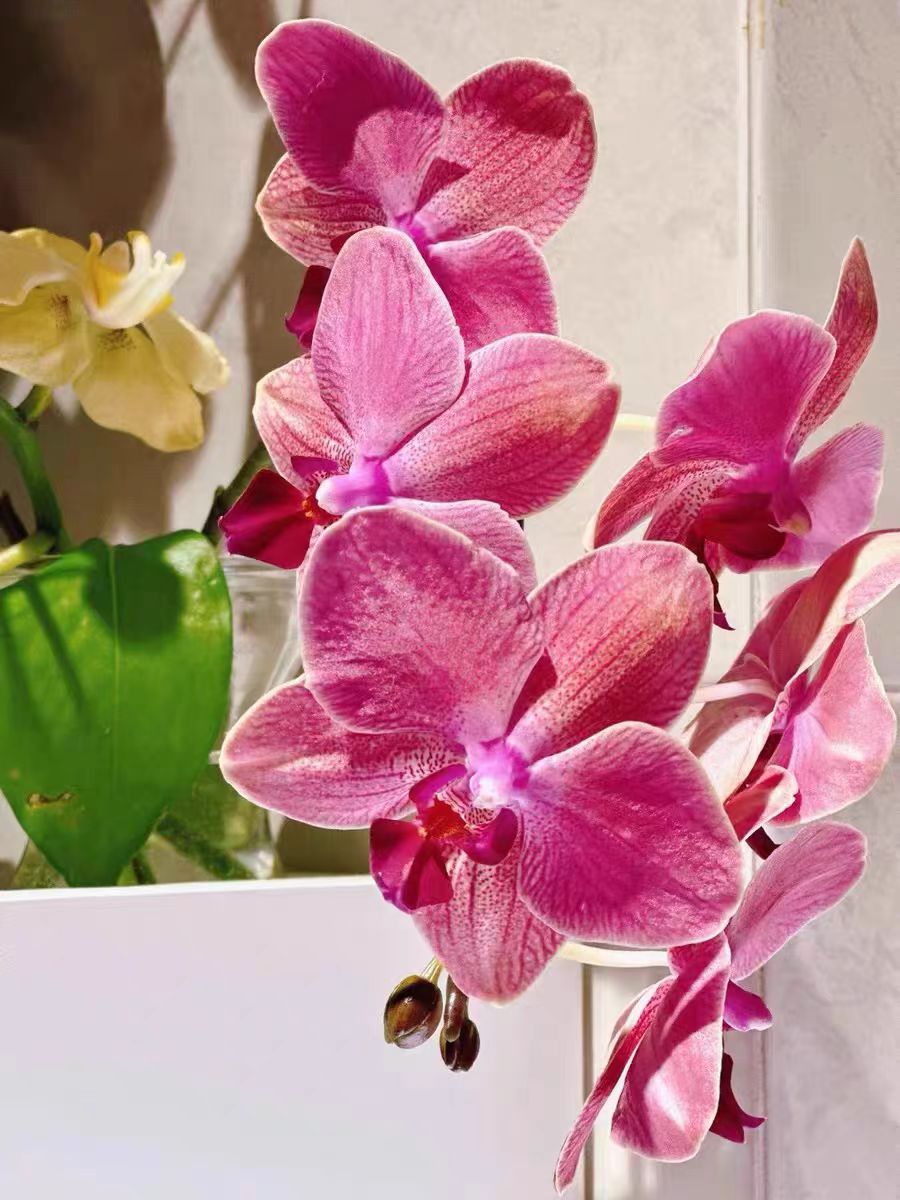
Where does the Phalaenopsis absorb nutrients?
The Phalaenopsis is the "beauty" among the orchid family. Perhaps not everyone is familiar with the questions of how and by what means the Phalaenopsis absorbs
-

When repotting a Phalaenopsis, should the nutrient cup be removed or buried together with it in the new pot?
When buying or cultivating Phalaenopsis, the nutrient cup is a common growing container. When repotting a Phalaenopsis, should the nutrient cup be removed? Can the nutrient cup be buried in the new pot together with the plant? Handling the nutrient cup correctly is crucial to the Phalaenopsis's subsequent growth, and this involves the rules of plant root growth and care
-

Must you use nutrient solution to grow flowers, and which flowers and plants need it?
Growing flowers is a great pleasure in many people's lives. When you step into this colorful world of flowers, you will find that there is a lot of knowledge waiting to be explored, such as whether growing flowers necessarily requires nutrient solution and which flowers and plants need it. These questions not only concern the growth and health of the flowers, but also affect the experience and results of the grower. Growing flowers
-

Why can't Phalaenopsis orchids use organic nutrient fertilizer, and what are the symptoms of fertilizer deficiency?
Phalaenopsis, as a highly ornamental flower, requires careful attention to fertilizer selection during its care. Why is Phalaenopsis not suitable for organic nutrient fertilizer? What symptoms appear when it is lacking fertilizer? A deeper understanding of these issues can help us better care for Phalaenopsis. Phalaenopsis has its own particular requirements for fertilizer, and
条件筛选