-

What are the nutrient requirements of pigs?
1. Energy. The growth, development, reproduction, maintenance of body temperature and all activities of pigs require energy, and energy accounts for the largest proportion of nutrients. The energy needed by pigs comes from three organic substances in feed: carbohydrates, fats and proteins, and carbohydrates are the most important.
-
What are the nutrient requirements of pigs?
Mineral elements generally account for only 3%-4% of the pig's body, and are the main component of bones. Some are distributed in the hair coat, muscles, blood and other soft tissues, and some are components of vitamins, hormones and enzymes. Although these elements are not a source of energy, they participate
-
What are the nutrient requirements of pigs?
Vitamins are a special class of nutrients essential for maintaining the normal life and growth of pigs. Most vitamins must be obtained from feed, and the required amount is very small, but physiologically they play an important role in regulating and controlling metabolism. They also have disease resistance and
-
Detailed Explanation of Foreign Pig Nutrient Requirements and Feeding Standards
The NRC (United States) and ARC (United Kingdom) pig nutrient requirements and feeding standards are the two most influential pig feeding standards in the world, adopted or referenced by many countries and regions. United States NRC pig nutrient requirements: The National Research Council (NRC) of the United States has a Swine Nutrition Subcommittee, composed of
-
A Detailed Explanation of Rice's Nutrient Requirements: Master the Latest Fertilization Key Points
Rice can be said to be the number one food crop in our country, and the staple food in most provinces every day is rice. Rice is basically grown in all parts of our country. When growing rice, if you want to increase rice yield, then fertilization work is indispensable.
-
Fertilisation Techniques and Timing for Persimmon Trees: Master the Nutrient Requirements for High Yields
The persimmon tree originated in the Yangtze River basin of China, extending east to Taiwan Province, and is widely cultivated in many provinces and regions. The fruit is often de-astringed before being eaten as a fruit; after proper treatment it can be stored for several months and can be eaten at any time of the year. Persimmons can also be processed into dried persimmons. So what are the nutrient requirements of
-
Peanut Fertilization Timing, High-Yield Fertilizers, and Nutrient Requirements During Growth
Peanut is a common crop in rural areas. Though it may seem ordinary, it is rich in nutritional value. Today the editor will discuss: when should peanuts generally be fertilized? What fertilizers give high yields? What are the nutrient requirements during their growth? 1. When should peanuts generally be
-
-

Detailed Explanation of Cucumber Nutrient Requirements and Scientific Fertilization Techniques
Nutrient Requirements Cucumbers are best grown in loose, fertile soil with good aeration. Heavy clay soil is not conducive to cucumber root development. Soil with high organic matter content can balance the contradiction of cucumber roots being moisture-loving but not waterlogging-tolerant, and fertilizer-loving but not fertilizer-tolerant. The growth cycle of cucumbers is roughly divided into the germination stage, seedling stage, vine elongation stage, and...
-
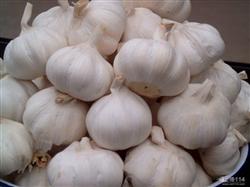
How to fertilize garlic for high yields? Understanding its nutrient requirements is key
Garlic is a bulb crop with a high nutrient demand and relatively good tolerance for fertilizer. It is suited to cultivation in sandy loam soil rich in organic matter, with a loose and fertile topsoil, comprehensive nutrition, and good water- and fertilizer-holding capacity and aeration. According to research: for every 1000 kg of fresh garlic produced, 4.5-5 kg of nitrogen, 1.1-1.3 kg of phosphorus, and 4.1-4.7 kg of potassium are required, in a ratio of 3...
条件筛选