Specialty compound fertilizers are fertilizers formulated according to crop nutrient requirements
Specialty compound fertilizer refers to compound fertilizer specially formulated according to the nutrient requirements of a specific crop, a specific soil, or a specific growth stage. It usually contains at least two of the three main nutrients nitrogen, phosphorus, and potassium, and can be supplemented as needed with secondary elements such as calcium, magnesium, and sulfur, as well as trace elements such as boron and zinc. Compared with general-purpose compound fertilizers, its nutrient ratio is more closely aligned with the uptake pattern of the target crop.
The most prominent feature of this type of fertilizer is its strong specificity. Different crops differ markedly in their nutrient needs; for example, leafy vegetables have a relatively high demand for nitrogen, while fruit trees and melon-fruit crops need sufficient phosphorus and potassium during the fruiting stage. Specialty compound fertilizers adjust the ratio according to these patterns, which helps improve nutrient use efficiency and reduces the waste and soil burden caused by blind fertilization.
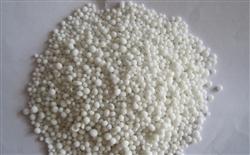
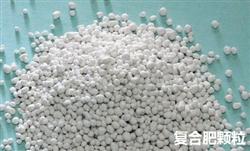
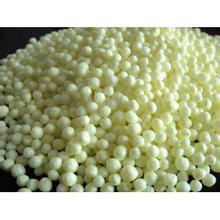
In terms of form, specialty compound fertilizers include compound-type products granulated through chemical reaction, blended fertilizers made by simply mixing several basic fertilizers, and coated slow- and controlled-release types that use coating processes to delay nutrient release. Common categories on the market include garlic specialty fertilizer, rice specialty fertilizer, fruit tree specialty fertilizer, and vegetable specialty fertilizer; when purchasing, pay attention to the nutrient content and applicable crops indicated on the packaging.
When applying, the rate and method should be determined according to the product instructions in combination with local soil conditions and the crop growth stage; it can be used as a base fertilizer or as a topdressing. It should be noted that so-called specialty does not mean it is fully suitable for every plot; where conditions permit, soil testing can be carried out first, and applying it together with organic fertilizer usually gives better overall results.