-

How to manage cotton during the flowering and boll-setting stage? Apply flowering and boll fertilizer heavily, use chemical regulation and pruning to prevent premature senescence
The flowering and boll-setting stage of cotton is the peak period of fertilizer and water demand and the critical period for yield formation. This article introduces the topdressing rate of flowering and boll fertilizer, the standards for irrigation and drainage, the dosage of mepiquat chloride for chemical regulation, the timing of pruning and topping, and pest and disease control techniques, to help cotton growers set more bolls and prevent premature senescence and boll rot.
-
How to Grow Hosta ventricosa? Key Points on Light, Soil, Water, Fertilizer and Propagation
Hosta ventricosa (also known as purple hosta) is a shade-tolerant flowering perennial. This article covers the key techniques for growing Hosta ventricosa, including light, soil, water and fertilizer management, division propagation, and pest and disease control, helping you grow it easily for courtyard greening and beautification.
-
How to Grow Osmanthus Trees: Key Points on Propagation, Transplanting, Water and Fertilizer Care
A complete guide to osmanthus tree planting techniques: covering site selection and propagation, cutting and grafting propagation, transplanting and planting out, water and fertilizer management, and pruning and disease prevention, to help growers cultivate osmanthus trees scientifically and improve survival rates and flowering quality.
-
How to Grow Alisma plantago-aquatica? A Detailed Guide to Growth Habits and Key Points of Water and Fertilizer Management
Alisma plantago-aquatica is a common aquatic medicinal flower and plant. This article introduces its growth habits, sowing and seedling raising, water level regulation, and pest and disease control, helping growers master scientific cultivation and management methods for Alisma plantago-aquatica.
-

What temperature is suitable for Phalaenopsis orchids to grow, and should they be fertilized in September?
Walking into a flower market, when you take a fancy to the Phalaenopsis orchids in front of a certain stall and ask the shop owner, most of them will briefly tell you, "Phalaenopsis orchids are easy to grow and aren't picky about location; usually you just need to water them a bit when the soil is dry." In fact, the flower shop owner only covered the basics of watering for care; most didn't explain clearly in detail, Phalaenopsis
-
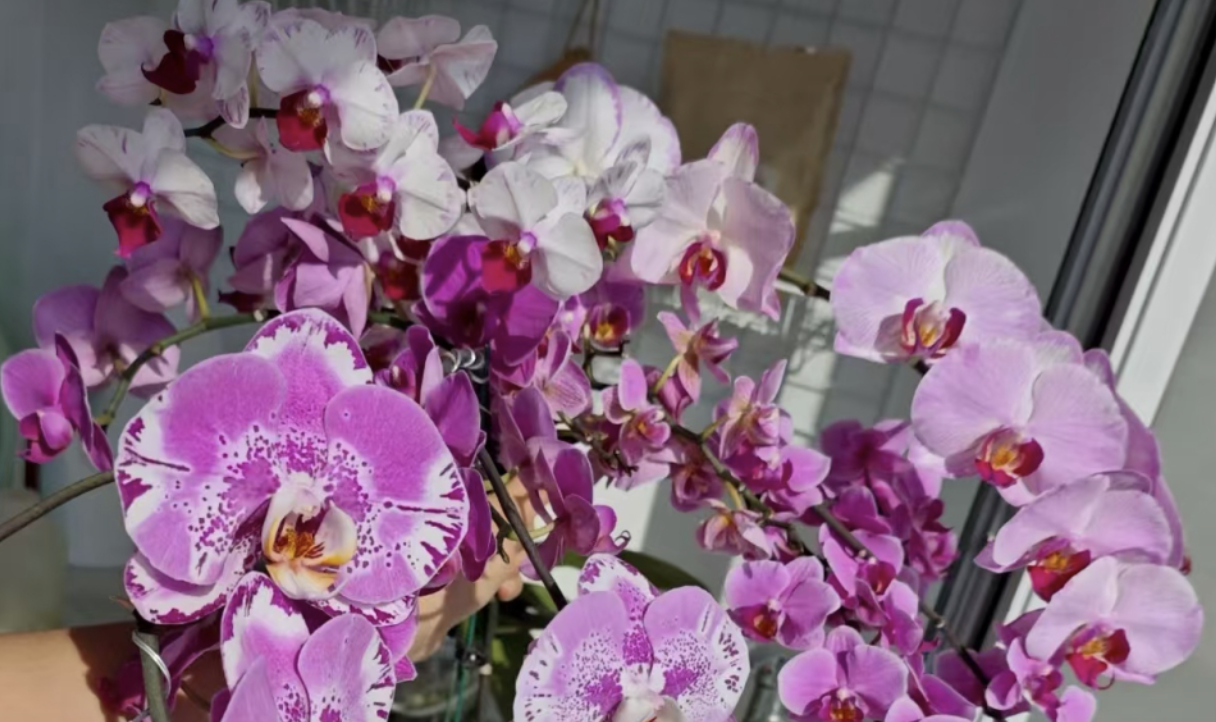
Is it okay to fertilize Phalaenopsis orchids at this time of year? When should you stop fertilizing them?
Among many ornamental plants, the Phalaenopsis orchid has become a favorite of flower lovers in recent years. The reason is simple: first, its “flower
-
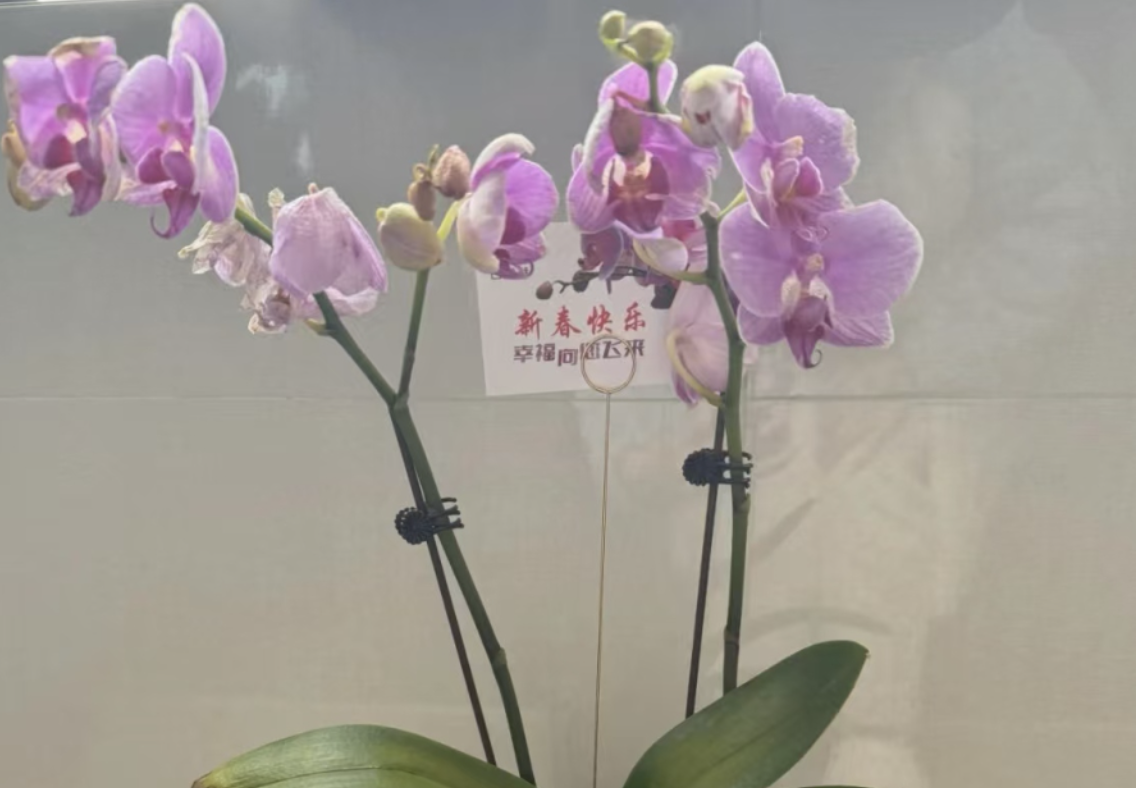
How and when to fertilize Phalaenopsis orchids? What is the humidity level for fertilizing Phalaenopsis orchids?
The gracefully poised Phalaenopsis orchid, when placed in your home, not only attracts attention but also embodies the beautiful symbolism behind its flower
-

The right way to repot, water and fertilize Phalaenopsis in autumn
After raising a Phalaenopsis for more than half a year, the potting medium seems a bit compacted, and you want to repot it but are afraid of killing it; you are also unsure about watering and fertilizing, afraid of root rot if you give too much and afraid it won't bloom if you give too little. In fact, autumn is exactly the "critical period" for Phalaenopsis. If you find the right methods for repotting, watering and fertilizing, you will see a pot full of flowers by the end of the year. You can absolutely repot a Phalaenopsis in autumn
-

How to Fertilize Phalaenopsis Orchids? A Detailed Guide to Fertilizing Timing and Humidity
With its graceful form, the "Phalaenopsis" (moth orchid) placed at home not only easily catches the eye, but also lives up to the beautiful meaning behind the Phalaenopsis flower language. However, many beginners assume that growing flowers is simple, that as long as you water them and give them some light, they will thrive. In fact, if you add the step of "fertilizing" before the flowering period, the blooming period can be extended by quite a bit.
-
Detailed guide to fertilizing hydroponic Phalaenopsis orchids: how to fertilize for the best results
Many flower lovers always run into pitfalls when growing hydroponic Phalaenopsis orchids: either the roots rot and leaves turn yellow after fertilizing, or the plant only grows leaves and never blooms. In fact, the key to fertilizing hydroponic Phalaenopsis orchids lies in "choosing fertilizer by stage + controlling the concentration well." Today I will share the detailed method with everyone, and if you follow it, your Phalaenopsis orchids will have strong roots and bloom every year~ 1. By stage
条件筛选