-
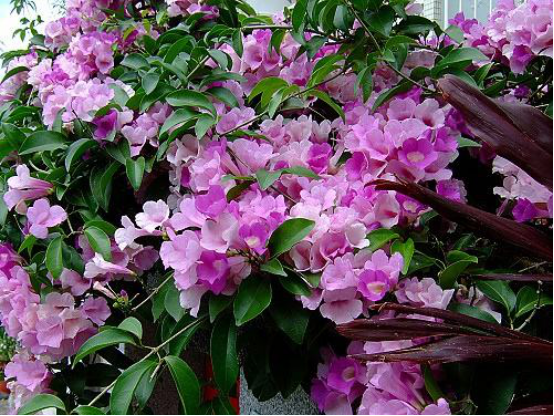
How to Grow Garlic Vine: Planting Methods and Things to Note
1. Choosing the pot and soil: If you want to grow garlic vine at home, the requirements for choosing a flower pot are relatively high. You should choose a pot suitable for garlic vine to climb or trail, and as for the soil, avoid choosing soil that is too moist and not breathable; choose relatively loose, free-draining soil
-
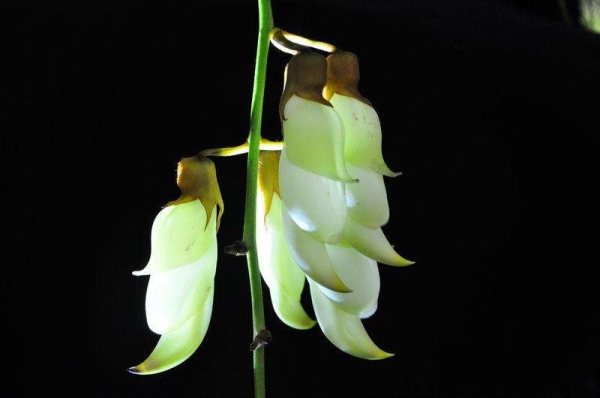
How to Grow Mucuna birdwoodiana and Points to Note
Mucuna birdwoodiana loves fertilizer, so when applying fertilizer we should pay attention to its rational use, and must not apply too much, which would burn the roots. Rational fertilization helps ensure sufficient nutrients during the growth period of Mucuna birdwoodiana, and can increase its leaf surface and thickness.
-

What are the key points to note when growing plum blossom bonsai?
In summer, when the light is too intense and the temperature is too high, you must shade the plum blossom; generally, keeping it indoors in a bright, well-ventilated spot is enough.
-
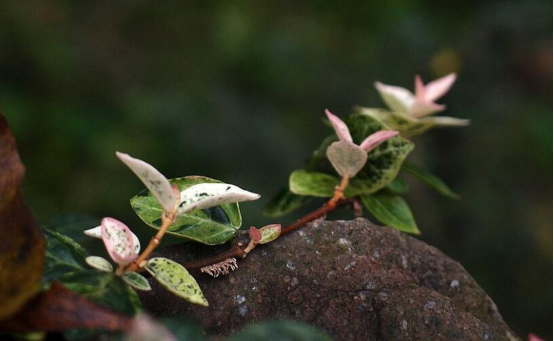
What should be noted when growing Variegated Star Jasmine (Trachelospermum jasminoides 'Variegatum') in water?
In the cultivation of Variegated Star Jasmine, light is the most important factor that makes the leaf color change. If it is grown in water indoors for a long time, attention must be paid to the issue of light exposure. A long period of insufficient light will make the leaves of Variegated Star Jasmine a single color, with most leaves tending toward light green, greatly reducing its ornamental value.
-
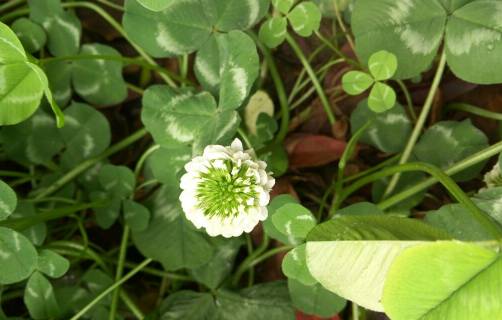
What should be noted when growing clover?
Pests and diseases Clover is quite prone to pests and diseases. Sclerotinia rot and viral infections are the main diseases of clover. If clover becomes diseased, we must pull out the affected plants to cut off the source of the disease, and second, chemical agents can be used. Common pests include leafhoppers, cutworms, white butterflies, and others.
-
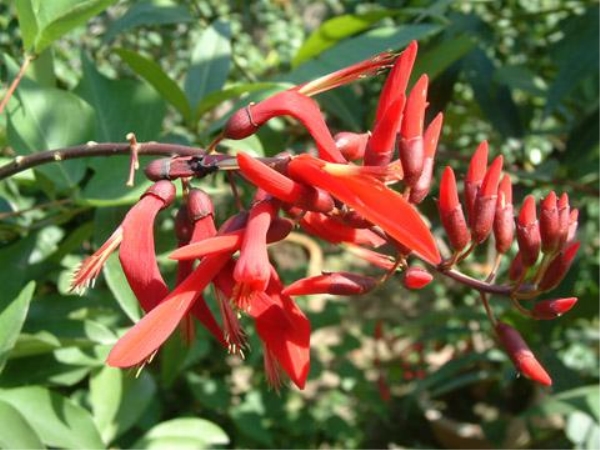
What issues should be noted when growing coral bean (Erythrina corallodendron)
Avoid excessive contact. Coral bean (Erythrina corallodendron) has many flowers with bright colors and is very suitable for growing as an ornamental flower, but it is toxic. Therefore, during cultivation, care must be taken to avoid excessive contact, do not let hands touch its sap, and do not place it where children can easily reach it. Never "swallow" coral bean (Erythrina corallodendron) although it is toxic
-
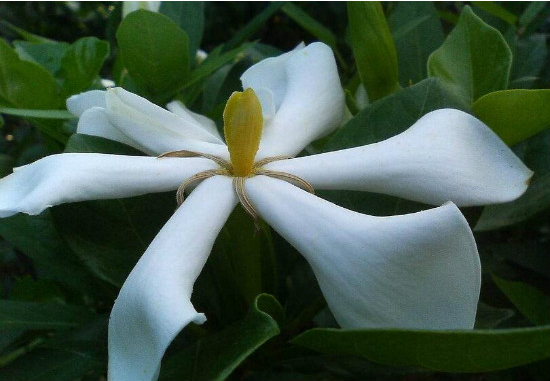
What points should be noted when growing dwarf gardenia?
1. Be careful to prevent the leaves from turning yellow. During the growth of dwarf gardenia, light is a very important factor. In spring and autumn, when the light is suitable, it can be placed outdoors to receive direct sunlight. In summer, when the temperature is high and the sunlight is strong, a shade shelter can be set up to block some of the sunlight. And in winter
-
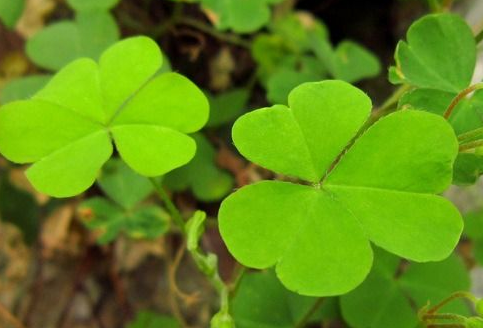
What are the key points to note when growing oxalis?
1. Soil Oxalis likes fertile, moist soil, but it is also afraid of waterlogging, so the soil must have good drainage. 2. Temperature Oxalis grows best in warm conditions at 16-22°C and is fairly cold-tolerant; it can stay lush green in winter even at minus five degrees, but if the temperature drops below minus five degrees the leaves will wither.
-
How to Grow Sinocalycanthus chinensis and Things to Note
1. Light and Temperature Sinocalycanthus chinensis can tolerate a brief high temperature of 40°C and a low temperature of -15°C. Sinocalycanthus chinensis likes a warm, humid environment with not-too-strong sunlight, which is more suitable for its growth. If Sinocalycanthus chinensis is exposed to full sunlight for a long time, its leaves will turn yellow and its growth will suffer.
-
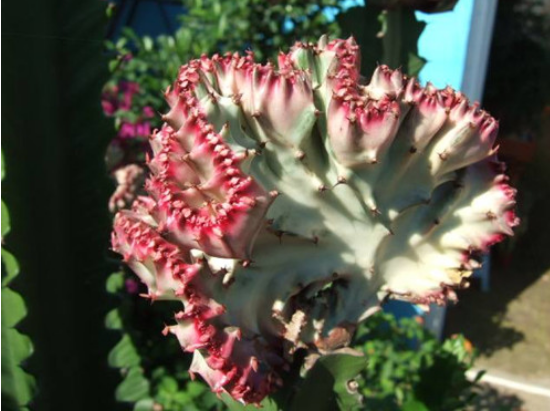
What are the key points to note when growing the crown of thorns (Euphorbia milii)?
1. Note to prune in time. Prune in time the branches that grow too long and too dense to encourage the crown of thorns to branch more. If you do not prune, the plant shape of the crown of thorns will not be attractive and the number of flowers will also decrease. Timely pruning will make the crown of thorns bloom more and branch more. 2. Repot in time. It is best to repot the crown of thorns once every 1-2 years.
条件筛选