-

Prevention and Control Methods and Technical Key Points for Common Multiple Diseases in Pigs
The common multiple diseases of pigs mainly include: piglet Escherichia coli disease, transmissible gastroenteritis, epidemic diarrhea, asthma, and piglet hypoglycemia. These five common diseases of pigs seriously affect the normal growth and development of pigs, hinder the development of the pig industry, and often cause massive pig deaths. Therefore, the prevention-oriented policy of prevention and control must be implemented, and careful prevention and treatment must be carried out to take preventive measures, and one must never take it lightly, so as to ensure the smooth development of the pig industry. Piglet Escherichia coli disease Piglet Escherichia coli disease has the following three manifestations: early-onset
-
Detailed explanation of year-round production technology for multiple mushroom species in one greenhouse
In 2001, our county began large-scale promotion of white beech mushroom (Pleurotus nebrodensis) production technology throughout the county. The white beech mushroom belongs to the medium-low temperature type of edible fungi, fruiting within the range of 5-20°C. Before fruiting, the white beech mushroom must undergo a low-temperature stimulation process, which determines that the fruiting period in our county is from late November to late March of the following year, causing the mushroom greenhouse to sit idle from April to November around summer, and the biological conversion rate of the white beech mushroom is also relatively low. Starting from 2002, our county began trial
-
How to prevent and control cotton seedling diseases? Take multiple measures to ensure strong seedlings
Because rain kept falling continuously during the cotton sowing period and after emergence, this year's seedling death is more serious than in previous years, and the most severe cases have already begun to be destroyed and replanted. 1. Main symptoms After cotton seedlings emerge, yellow-brown lesions appear at the base of the stem (where it meets the soil surface), gradually expand, become sunken and rotten, turn dark brown in color, and the cotton seedlings wither and die. This is typical "damping-off," commonly known by cotton farmers as "black neck" disease. 2. Causes of seedling death 1. Early sowing date and low temperature. According to forecasts from the meteorological department, the temperature in April 2008 was on average
-
Detailed Explanation and Application of the New Muskmelon-Rice Multiple Cropping Technique
I. First Crop Muskmelon 1. Seed selection and land preparation: Choose high-yield, high-quality muskmelon varieties with a growing period of about 90 days, such as Chaozhao Tangwang and Hongchengcui No. 1. Before the ground freezes the previous year, plow the paddy field well, harrow, press and form ridges with a ridge spacing of 50-60 cm, and press firmly to preserve soil moisture. Along with land preparation, apply 5000 kg of high-quality farmyard manure per mu. 2. Seedling raising and transplanting: Soak seeds to promote germination in late February, raise seedlings in a greenhouse in late February to early March. You may use seedbed seedling raising followed by pricking out into seedling bowls, or directly raise seedlings in seedling bowls. For planting melons in the main field, transplant the melon seedlings into the main field before April 15.
-
How to handle a sick pig that shows no improvement after multiple drug injections
In daily veterinary practice, it is common to encounter sick pigs that have been given multiple symptomatic injections of penicillin, streptomycin, analgin and other drugs without any improvement. We suggest handling the situation as follows: Basic method: calculated per 30 kg of pig body weight per dose (the same below), dexamethasone sodium phosphate 6 ml, nikethamide 2 ampoules, kanamycin hydrochloride 10 ml, each injected intramuscularly separately. If coughing and gasping do not stop, use the basic formula plus 3% ephedrine 2 mg injected intramuscularly. After 10 minutes, inject sulfadiazine sodium 0.5 mg intramuscularly
-
Potato and scallion multiple cropping can achieve two harvests from one field
I. Cultivation of the preceding potato crop 1. Variety selection The potato variety suitable for potato-scallion multiple cropping in the Xiongyue area is "Dongnong 303", with 15 kg of seed used per mu, maintaining 4500 plants. 2. Deep plowing and fertilization In autumn, plow the soil to a depth of 15-20 cm, harrow the soil in spring, and apply 4000 kg of high-quality organic fertilizer per mu as base fertilizer. 3. Seed potato sprouting In early March, place the selected seed potatoes in a greenhouse or on a heated kang to sprout for about 10 days. Cut the seed potatoes into pieces of 20-30 g, and after cutting, air-dry the seed pieces for 6-12 d, then they are ready
-

Detailed Explanation of the Cultivation Method for a Single Dahlia Plant with Multiple Colors
A single dahlia plant with multiple colors can be cultivated by grafting. Select a high-quality tuberous root that is well developed, disease-free and without buds as the grafting mother plant. According to different flower color varieties, select branches of uniform thickness and length that bear terminal buds as scions, and cut them into a duck-bill shape. Make a cut on the mother plant and quickly insert the scion
-

How to water lily of the valley, how to fertilize lily of the valley / controlling watering amount / using multiple fertilizers in combination
Lily of the valley is a plant with extremely high medicinal value, and it also has high ornamental value. However, if you want it to have ornamental value, the care process cannot be careless at all, and watering and fertilizing are especially important. As for how to water lily of the valley and how to fertilize lily of the valley? There is a detailed introduction below.
-
The Five Major Benefits and Effects of Bambusa multiplex 'Fernleaf' - Only with Proper Care Can They Be Fully Realized
In many places across East China and South China, a plant with tall stems, straight lower sections, and leaves like phoenix tail feathers is cultivated. This plant is known as Bambusa multiplex 'Fernleaf', and it is a bonsai plant with extremely high ornamental value.
-
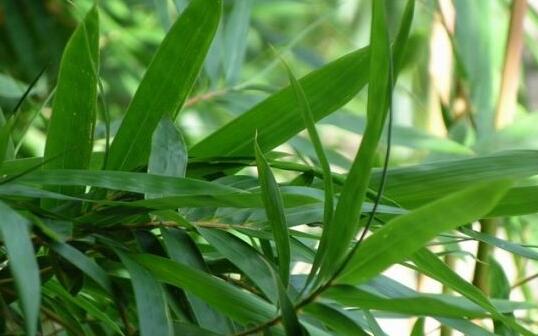
How to Fertilize Bambusa multiplex (Fairy Bamboo)? A Detailed Guide to Fertilizer Selection and Application Methods
When growing Bambusa multiplex, fertilization is essential. It not only provides the nutrients the bamboo needs for growth but also boosts its resistance to disease. However, fertilization should be neither too little nor too much. So how do you fertilize Bambusa multiplex? Let us give you the answer.
条件筛选