How to Fertilize Bambusa multiplex (Fairy Bamboo)? A Detailed Guide to Fertilizer Selection and Application Methods
When growing Bambusa multiplex, fertilization is essential. It not only provides the nutrients the bamboo needs for growth but also boosts its resistance to disease. However, fertilization should be neither too little nor too much. So how do you fertilize Bambusa multiplex? Let us give you the answer.
How to Fertilize Bambusa multiplex
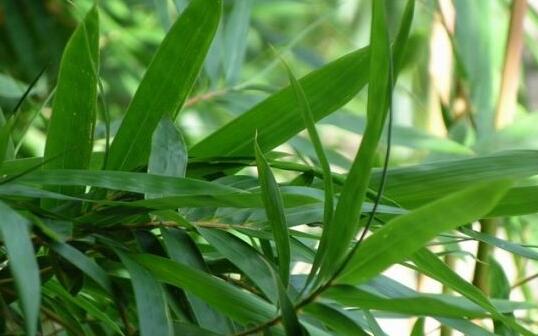
Too little fertilizer will cause the plant to grow slowly and may even lead to pests and diseases; too much fertilizer will cause root rot, with thick, lusterless leaves. So in the care of Bambusa multiplex, how to fertilize it becomes the most important thing.
I. What Fertilizer to Use for Bambusa multiplex
1. Base fertilizer
Base fertilizer refers to the fertilizer that should be applied to the bottom of the pot at planting time. You can use a mix of barnyard manure, bone meal, farmyard manure and pond silt, or you can mix organic fertilizer into the potting soil.
2. Nitrogen fertilizer
Nitrogen fertilizer keeps the leaves of Bambusa multiplex emerald green and makes them more upright and sturdy, and it provides the large amount of nutrients needed during the growing season.
3. Phosphorus and potassium fertilizer
The phosphorus content in plants is second only to nitrogen and potassium. Photosynthesis, respiration and energy transfer in Bambusa multiplex all require phosphorus; potassium fertilizer, meanwhile, benefits its metabolism.
II. Fertilization Methods
1. At potting time
How should you fertilize Bambusa multiplex at this point? The answer is to apply base fertilizer, mixing it with the potting soil. The amount of base fertilizer should be 10-15% of the potting soil; do not add too much base fertilizer.
2. Early growth stage
At this stage, nitrogen fertilizer should be the main type, applied 1-2 times a month. Nitrogen fertilizer provides the nitrogen that is a key component of chlorophyll in the leaves. If you want greener leaves, nitrogen fertilizer is indispensable.
3. Vigorous growth stage (mid stage)
At this stage, phosphorus fertilizer should be the main type. It ensures that Bambusa multiplex carries out full photosynthesis, giving the leaves more luster and making the stems grow healthier and more upright.
4. Stable growth stage (late stage)
During the stable growth stage, the plant of Bambusa multiplex has basically taken shape, so how should you fertilize it then? Potassium fertilizer should be the main type. It improves the resistance of Bambusa multiplex and ensures it has enough nutrients for metabolism.
Note: No matter which stage it is, do not over-fertilize. For top dressing, use decomposed cake fertilizer water. Stop fertilizing in winter. If too much fertilizer has been applied, water moderately and use radish seeds to absorb the excess nutrients.
How to Fertilize Bambusa multiplex, and What Fertilizer to Use?
Bambusa multiplex, originally named Guanyin bamboo, can not only decorate the environment as a potted plant but also purify the air and absorb formaldehyde, so many people like to grow it. Bambusa multiplex is fairly easy to grow: in spring, summer and autumn just place it in a ventilated spot, and in winter place it in a sunny spot. Bambusa multiplex prefers fertile soil, so how should it be fertilized, and with what fertilizer?
Fertilization methods for Bambusa multiplex:
1. It likes fertilizer fairly well and can be given a dilute fertilizer 2-3 times a month.
2. Before planting Bambusa multiplex, apply base fertilizer well to ensure its nutrition.
3. After autumn, reduce or stop fertilizing Bambusa multiplex.
What fertilizer to use for Bambusa multiplex:
In fertilizing Bambusa multiplex, besides ensuring sufficient nitrogen, phosphorus and potassium, other fertilizers should also be used as supplements, and it is best to keep the soil slightly acidic. Today we would like to introduce a fairly practical fertilizer - Chenfeng Biological Flower Special Fertilizer. Chenfeng Flower Organic Fertilizer has relatively complete nutrients: besides the nitrogen, phosphorus and potassium essential for plant growth, it also has a variety of organic matter and trace elements added as supplements, making the soil more breathable, with long-lasting fertilizer effect and soil improvement. Here we suggest using more organic fertilizer and as little chemical fertilizer as possible when fertilizing Bambusa multiplex. When using it, you can dilute it with water and pour it on, or shallow-bury it around the plant, avoiding the roots and stems.
That is all on the fertilization methods for Bambusa multiplex. I believe everyone has gained some understanding. We hope you can apply what you have learned flexibly and grow high-quality Bambusa multiplex.
How to Grow Bambusa multiplex: Cultivation Methods for Bambusa multiplex
Bambusa multiplex has dense clumps, short culms and graceful branches and leaves, well-spaced and orderly, so it is often used to decorate courtyards and living rooms. So how do you grow Bambusa multiplex, and what are the cultivation methods? Below we will introduce how to grow Bambusa multiplex and its cultivation methods.
[Editor's Picks] Plants Suitable for Home Cultivation Illustrated | Using Coconut Shells as Orchid Soil | Where to Place Bamboo at Home for Good Feng Shui | Orchid Soil Mix
Bambusa multiplex photo
Growth Habits of Bambusa multiplex
Bambusa multiplex (Latin scientific name: bambusa multiplex), also known as Guanyin bamboo, rice bamboo, Jintou bamboo, Penglai bamboo, etc., is native to southern China. It likes warm, humid and semi-shaded environments, has slightly poor cold tolerance, cannot tolerate strong direct sunlight, and fears waterlogging. It prefers fertile, loose, well-drained loam, and the winter temperature should not be lower than 0°C. Bambusa multiplex has dense clumps, short culms and graceful branches and leaves. It is often used for potted ornamental display, decorating small courtyards and living rooms, and is also often used to make bonsai or as a low hedge material.
Bambusa multiplex likes to grow in semi-shaded spots with sunlight, and the soil pH should preferably be 4.5-7; it fears heavy, alkaline soil. Bambusa multiplex is not very cold-tolerant, and the minimum growing temperature should not be below 0°C. It has a relatively high water requirement, but it must not be waterlogged. As for fertilizer choice, it is best to use organic fertilizer.
Growth Habits of Bambusa multiplex
How to Grow Bambusa multiplex
Bambusa multiplex is an evergreen clumping shrub, mostly growing in tropical and subtropical regions. It likes warm, humid, semi-shaded and semi-ventilated growing environments, has slightly poor cold tolerance, cannot tolerate strong direct sunlight, likes moisture and fears waterlogging, and the winter temperature should not be lower than 0°C. Bambusa multiplex likes acidic, slightly acidic or neutral soil. For cultivation, fertile, loose, well-drained sandy soil is suitable, and organic fertilizer should be the main fertilizer; during the growing period, applying nitrogen fertilizer once or twice a month is enough.
Bambusa multiplex can be grown successfully by division, seed propagation and cuttings. Bambusa multiplex can be placed in a cool environment, but because it likes warmth, cold-protection measures should be taken in winter, and it can be moved indoors for growing. Bambusa multiplex can be fertilized during the growing period, which will make it grow more vigorously; generally 1-2 times a year is enough. Bambusa multiplex should be watered more, and watering in the early morning and evening is best. Because Bambusa multiplex likes a humid environment, the soil around it can occasionally be loosened, but be sure not to damage its roots and stems.
Potted Bambusa multiplex photo
Bambusa multiplex should be planted in February-March. For potted plants, repot once every 2-3 years: take out the old bamboo, remove the old soil, cut off the small rhizomes and old bamboo, and add fertile soil. During the growing period, keep the potting soil moist, keep it in a semi-shaded spot, frequently spray water on the leaves, and fertilize once a month. In winter, move it indoors to a sunny spot.
Cultivation Methods for Bambusa multiplex
1. Propagation
Bambusa multiplex is commonly propagated by division, seed propagation and cuttings, but since bamboo seeds are hard to obtain and cuttings root with difficulty, division is mainly used. Division is often done in early spring together with repotting. When dividing, let each shoot bud keep at least one old culm and retain the fibrous roots to ensure the survival rate. Newly divided plants should be grown in a moderately sized pot with fertile soil, watered carefully, kept moist, and grown in a semi-shaded spot, and they will grow quickly.
Cultivation Methods for Bambusa multiplex
2. Cultivation
Choose a suitable cultivation season. Cultivation is best done in March, when the mother bamboo has a high sprouting rate and is easiest to keep alive. Choose an ideal mother bamboo. The mother bamboo should be robust, free of pests and diseases, with plump stem buds and well-developed fibrous roots; bamboo aged one to two years is best. Plant it in time. If long-distance transport is really necessary, first place it in a cool, wind-sheltered spot and water it to keep it moist, and handle it properly when packing to prevent damage to the root buds and shaking off of the old soil. Before planting, apply enough base fertilizer to ensure sufficient nutrition. Choose soft, fine soil, first fill the bottom of the hole, then apply decomposed barnyard manure, mix it evenly with the topsoil, place the mother bamboo in, cover with soil layer by layer and press it down, covering with soil about 2 cm to 3 cm deeper than the soil the mother bamboo originally grew in. Water thoroughly to settle the roots. Water promptly after planting; the first watering must be thorough, then reduce the amount appropriately, keeping it alternately moist and dry.
3. Light
Bambusa multiplex likes light. When grown indoors, place it in a ventilated spot near a south-facing windowsill in spring, summer and autumn, and in a sunny spot in winter, and it will grow well. If grown outdoors, it can receive more light in spring and autumn; in summer, pay attention to shading and avoid strong direct sunlight, otherwise the branches and leaves easily turn yellow and the appearance suffers.
Bambusa multiplex cultivation photo
4. Temperature
Bambusa multiplex is an evergreen clumping shrub. It likes warm, humid and semi-shaded environments. It has slightly poor cold tolerance, cannot tolerate strong direct sunlight, fears waterlogging, and prefers fertile, loose, well-drained loam; the winter temperature should not be lower than 0 degrees.
5. Soil
Bambusa multiplex likes acidic, slightly acidic or neutral soil. For home potting, you can use a growing mix made of leaf mold, garden soil and river sand at 1/3 each. Avoid heavy, alkaline soil.
6. Watering
During the growing period, water moderately, just keeping the potting soil moist. In dry weather and the hot summer season, frequently spray and wash the leaves with clean water to help keep them green.
Cultivating Bambusa multiplex photo
7. Fertilizing
During the growing period, Bambusa multiplex needs liquid fertilizer once about every 20 days. Organic fertilizer should be the main fertilizer for Bambusa multiplex; the liquid fertilizer can be decomposed, diluted soybean cake water or a compound liquid fertilizer. Stop fertilizing in winter.
8. Pruning
During growth, the old culms of Bambusa multiplex gradually wither and should be cut off promptly to maintain a graceful shape. If Bambusa multiplex is not pruned, it will grow wildly without restraint and lose its better ornamental value. In the growing season, Bambusa multiplex easily sends up tender culms from the root zone, growing aggressively and affecting the overall composition of the bonsai. You can cut off the parts that have grown too tall and the weak branches and stems. If Bambusa multiplex grows too densely, thinning is also needed.
9. Repotting
Compared with other small potted plants, Bambusa multiplex has a slightly larger root system, which brings up the issue of repotting. Generally, repot once every two years. The replacement soil is best if fertile and can be mixed yourself; when choosing soil, note that sandy soil should be chosen, because Bambusa multiplex cannot grow in clay soil.
Outdoor Bambusa multiplex photo
10. Diseases
Bambusa multiplex often suffers from leaf blight and rust. Use 65% zineb wettable powder at 600 times dilution to control leaf blight, and 50% carboxin wettable powder at 2000 times dilution to control rust. Pests include scale insects and aphids; spray with 40% omethoate emulsifiable concentrate at 1500 times dilution to kill them.
Notes on Cultivating Bambusa multiplex
1. For potted Bambusa multiplex, in summer it should be moved to a cool spot outdoors, and attention should be paid to watering more to keep the potting soil moist. Also spray water on the leaves and sprinkle water on the ground to keep the air humid, so that the branches and leaves of Bambusa multiplex stay green. Bambusa multiplex likes moisture and fears waterlogging. After potting, the first watering must be thorough; afterwards keep the potting soil moist and do not water too much, otherwise the roots easily rot.
Notes on Cultivating Bambusa multiplex
2. Bambusa multiplex fears waterlogging. Besides the first thorough watering, afterwards just keep the potting soil moist, otherwise the rhizomes and roots easily rot. Bambusa multiplex likes moisture; if the potting soil lacks water, the bamboo leaves will curl, and that is when it should be watered. After watering, the bamboo leaves will unfold. Generally, in summer water once every 1-2 days on average; in winter water less, but ensure the potting soil stays moist to prevent "dry freezing".
3. In hot seasons, move the potted bamboo to a cool spot, avoid harsh sun exposure, and spray water on the leaves to keep the leaf color green; in winter, move the potted bamboo to a wind-sheltered, sunny spot or indoors.
4. During the growing period, apply liquid fertilizer once about every 20 days. Organic fertilizer should be the main fertilizer for Bambusa multiplex; the liquid fertilizer can be decomposed, diluted soybean cake water or a compound liquid fertilizer. Stop fertilizing in winter.
5. Bambusa multiplex does not need repotting every year; generally repot once every 2 years. Bambusa multiplex likes acidic, slightly acidic or neutral soil. For potted growing mix, use 1 part leaf mold, 0.5 part garden soil, and a small amount of river sand and rice hull ash, etc., mixed together. Avoid heavy, alkaline soil.
Cultivation photo of Bambusa multiplex
6. Bambusa multiplex bonsai emphasizes posture and spirit; the branches and stems must have both upright and drooping forms, be well-spaced, and vary in height. During vigorous growth, if there are too many culms, it gives a dense, stuffy feeling and affects the overall ornamental effect of the bonsai. Depending on growth, thin out the overly dense culms, and pay special attention to cutting off the weak culms.
Summary: Bambusa multiplex is elegant and graceful, and is a good indoor foliage plant. If you understand how to grow Bambusa multiplex and its cultivation methods, you will surely be able to grow beautiful Bambusa multiplex. The above is the related introduction on how to grow Bambusa multiplex and its cultivation methods. We hope it can help everyone.
Further reading:
Differences between Areca palm and Bambusa multiplex | How to grow Adiantum (maidenhair fern) | How to grow ball cactus | How to grow Madagascar periwinkle | How to grow Calathea makoyana
How to grow Syngonium podophyllum | How to grow Areca palm | How to grow Chamaedorea elegans | How to grow Dracaena fragrans | How to grow Spathiphyllum in water