-

A Detailed Guide to the Latest on the Language of Flowers and Legends of the Wild Rose
The wild rose is also known as the multiflora rose. It prefers to grow in thickets beside roads, along field edges or on hilly land, and is distributed in East China, Central South China and other places. It usually blooms from May to June, and is not as eye-catching as other roses, only opening silently. Its flower colors include white, light red, deep
-
Latest Prices and Planting Methods for He Shou Wu (Fallopia multiflora) Seeds
He Shou Wu (Fallopia multiflora) is a perennial twining vine of the Polygonaceae family and the genus Fallopia. It grows in valley thickets, under mountain slope forests, and in stone crevices along ditches. It is produced in southern Shaanxi, southern Gansu, East China, Central China, South China, Sichuan, Yunnan, and Guizhou. Its tuberous root is used as medicine and has the effects of nourishing blood and yin, moistening the intestines and relieving constipation.
-
Where to buy red Rosa multiflora seeds, and how to grow seedlings?
Red Rosa multiflora is a variety of rose, with pink flowers and large blooms, and it has good ornamental value, and it is planted in many regions. So if you want to plant it, where are red Rosa multiflora seeds sold? How do you grow seedlings? Let's take a look below. Where to buy red Rosa multiflora seeds
-
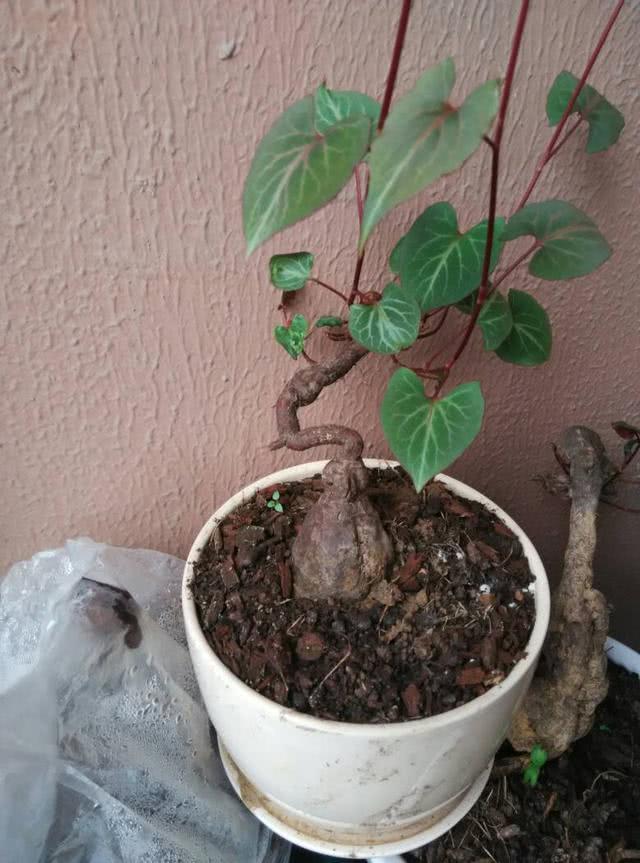
How to Grow He Shou Wu (Fallopia multiflora)? Benefits and Symbolism When Given as a Gift Explained
He Shou Wu (Fallopia multiflora) is a relatively rare medicinal herb. In ancient times it was regarded as one of the most precious tribute offerings — perhaps eating He Shou Wu could help you live longer! All kinds of rumors have made He Shou Wu a precious medicinal herb, and today it is still quite rare...
-
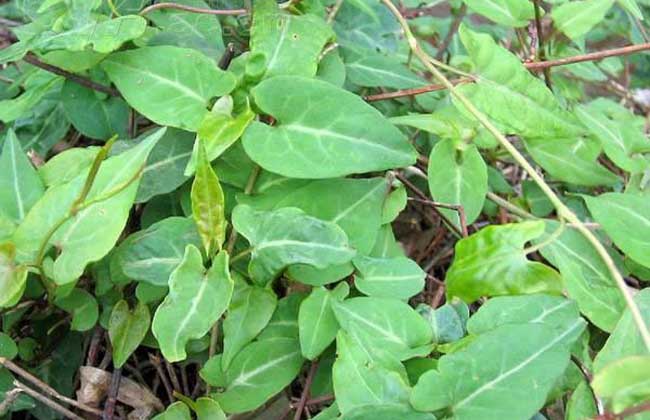
How to Propagate Fallopia multiflora? A Detailed Guide to Common Propagation Methods
Propagation Methods of Fallopia multiflora
-
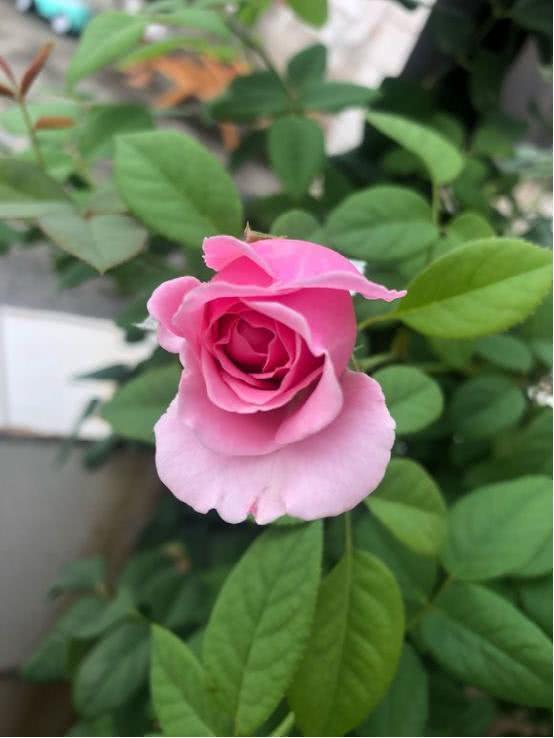
Can't tell Chinese rose and Rosa multiflora apart? Let me teach you how to distinguish them by their leaves
Many people are hopelessly confused about Chinese roses and Rosa multiflora. The two are practically relatives, and they really are quite similar - both the plants and the flowers share certain similarities. So for those friends who want to buy Chinese roses, how can...
-
What is the difference between climbing roses and Rosa multiflora? A quick guide to telling them apart
Climbing roses bear solitary flowers, with large blooms in a rich range of colors. Rosa multiflora has smaller flowers and shorter pedicels, creating a scene of blooms crowding open along the branches. Their main difference lies in the flowering period: Rosa multiflora blooms in spring and summer, while roses bloom all year round; in addition, rose flowers are larger and open singly, whereas the latter are small and open in clusters.
-
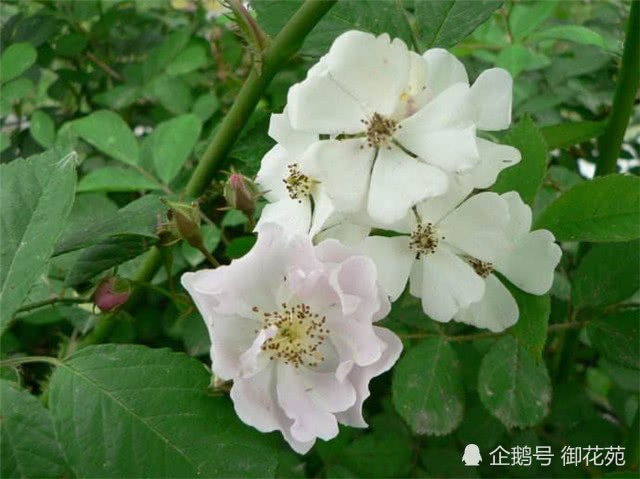
How do you propagate Rosa multiflora var. cathayensis? It grows six meters in a year, and its buds open into a flower wall
Rosa multiflora var. cathayensis is a plant in the Rosaceae family, and it can often be found in ordinary park shrubbery. Rosa multiflora var. cathayensis is very widely distributed in China and can basically be grown all over the country. Its flowers are extremely beautiful when in bloom. Flower lovers, come with the editor...
-
A Detailed Guide to Potted Rose (Rosa multiflora) Care Methods and Management Key Points
Most roses are world-famous ornamental plants. They prefer growing in thickets along roadsides, field edges, or hilly land, and are widely distributed across the cold-temperate to subtropical regions of Asia, Europe, North Africa, and North America. They have extremely high ornamental value and a very long cultivation history in our country, making them very suitable for bonsai cultivation.
-
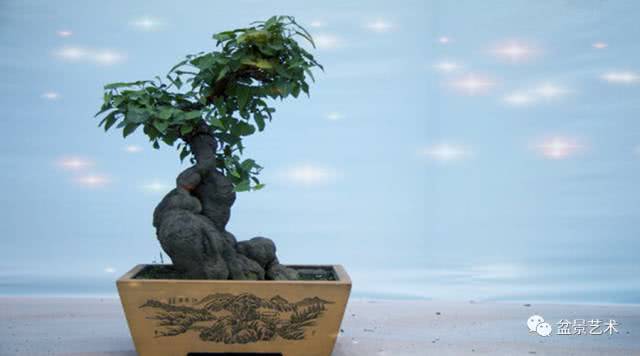
Detailed Explanation of the Key Cultivation Techniques for He Shou Wu (Fallopia multiflora) Bonsai
Perennial herbaceous plant. Prefers sun, tolerates partial shade, likes moisture, fears waterlogging, requires well-drained soil. Root tubers thick and fleshy, long elliptical, dark brown. Stems twining, 2-4 m long, much branched, with longitudinal ridges, hairless, slightly rough, lower part woody. Leaves...
条件筛选