-

25% of grain and oil is contaminated by fungal toxins, and mold prevention and control cannot be ignored
Everyone knows that moldy food cannot be eaten. Moldy peanuts, moldy corn, moldy rice - once accidentally eaten, the effects range from vomiting in mild cases to death in severe cases. This is because these moldy foods contain a hidden killer of food safety - fungal toxins. From
-
Temporary storage corn mold rate standard expected to be relaxed soon
Affected by weather factors, mold has commonly occurred in corn in Northeast China, causing many corn loads to be turned away when sold and delivered to warehouses, and farmers in some areas have difficulty selling grain. According to reporters, this year farmers' corn mold rate is far higher than the procurement and warehousing standard of Sinograin, which has led to turned-away trucks and difficulty selling grain. Relevant state departments may issue documents in the coming days to relax the warehousing standard for moldy corn.
-
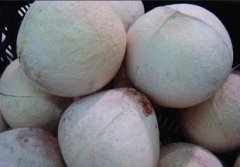
Symptoms, disease ecology, and management of sooty mold on coconut
What do the symptoms of sooty mold on coconut look like? What is its disease ecology? Would you like to learn about it? Symptoms: On the lower or upper surface of the leaves, black soot-like mycelium is produced; in severe cases it forms a whole black covering that blankets the leaves, seriously affecting the normal physiological function of the leaves.
-
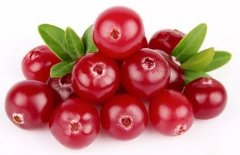
Is cranberry useful for mold infections and gynecological inflammations such as cervicitis?
Cranberry, also known as lingonberry, is a plant that grows in North America (especially Massachusetts). In recent decades, it has been widely used to prevent or treat bacterial infections of the urinary tract and vagina. What are the benefits of this fruit? Is it really helpful for gynecological inflammation?
-
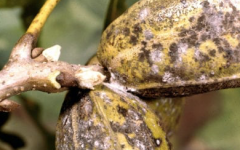
Symptoms, Damage and Control Methods of Pink Mold Disease on Pecans
Pink mold on pecans is a secondary disease that usually develops from a fungal disease called pecan scab when the nuts have previously been injured. The key to dealing with pink mold on pecans is to address the primary problem; if the pecan scab fungus is properly controlled, pecans with pink mold can usually be avoided.
-
What causes gray mold in garlic chives? Introduction to prevention and control methods
Garlic chives are a very vigorous vegetable that can grow well even in harsh environments, which is why they are also called the lazy person's vegetable. During the cultivation of garlic chives, they are easily attacked by gray mold. Below is a detailed look at the causes of the disease in garlic chives and an introduction to prevention and control measures.
-
Identification of Symptoms of Zucchini Gray Mold and Its Control Methods
Zucchini is a vegetable rich in vitamin C and glucose, and a member of the gourd family. When stir-fried as a vegetable, it has a relatively crisp texture and a very mild flavor. Zucchini is grown in many places, and improper management or environmental factors can lead to gray mold. Below
-
Symptoms, Identification and Control Methods of Lettuce Gray Mold
Gray mold is a common disease during lettuce cultivation. Once it occurs, it has a great impact on growers, affecting not only quality but also yield. So what are the symptoms of lettuce gray mold? How to control it? 1. What are the symptoms of lettuce gray mold? Lettuce gray
-
Epiphyllum (Night-Blooming Cereus) Growing Methods and Picture Gallery
Summary Soil: You can use leaf mold, garden soil, and sandy soil for growing. Fertilizing: You can apply well-rotted organic fertilizer, superphosphate, ferrous sulfate solution, etc. Watering: In seasons with lower temperatures, keep the potting soil on the drier side; after temperatures rise, you can increase the amount of watering. Light
-
How to Care for a Philodendron selloum? Detailed Guide to Growing Methods
Summary Philodendron selloum can be grown in a mix of leaf mold, peat soil, garden soil and a small amount of river sand. In summer, place it in a shaded spot for care; in winter, place it in a spot with ample sunlight. During the growing period, keep the soil in the pot moist. When the temperature drops in winter, watering should be appropriately reduced.
条件筛选