-

Understanding that aquatic products may be contaminated with, rather than infected by, the novel coronavirus, and the characteristics of food contamination
Previously, the detection of the novel coronavirus on a salmon cutting board at the Beijing Xinfadi wholesale market drew widespread attention, and according to experts, how is it that aquatic products may be contaminated with the novel coronavirus rather than infected? What are the characteristics of virus-contaminated food? Below
-
Bees die en masse in Puli, pollen contaminated with pesticides poisons the ecosystem, melons and fruits left without bee pollination
Bee Mass Death 0826"The Silent Summer of Puli, pollen contaminated with pesticides poisons the ecosystem, melons and fruits left without bee pollination
-
What to Do When Mushroom Spawn Becomes Contaminated? A Full Breakdown of Effective Prevention and Control Measures
Take effective measures to prevent and control contamination of mushroom spawn
-

Japanese nuclear disaster victims say the catastrophe is still ongoing, and contaminated soil and nuclear-affected food pose risks
Who says Japan's nuclear disaster caused no deaths or injuries? Victims: The disaster is still ongoing, contaminated soil has no solution, and nuclear-affected food carries risks
-
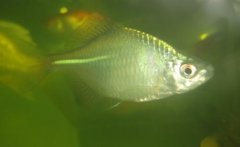
Is aromatic hydrocarbon toxic? Effects on fish and whether contaminated fish can be eaten
The explosion at the No. 3 aromatic hydrocarbon plant of the Sixth Naphtha Cracker Complex in Mailiao Township has caused anxiety among residents near aquaculture fish ponds, who worry that their catch may be contaminated. On the 15th, scholars from the College of Public Health at National Taiwan University, who have long studied pollution issues related to the Sixth Naphtha Cracker Complex, together with the Institute of Toxicology, and the Changhua and Taixi experimental stations of the Fisheries Research Institute, went to 18 fish ponds in Changhua and Yunlin to take samples, hoping to understand the scope and extent of the explosion's impact.
-
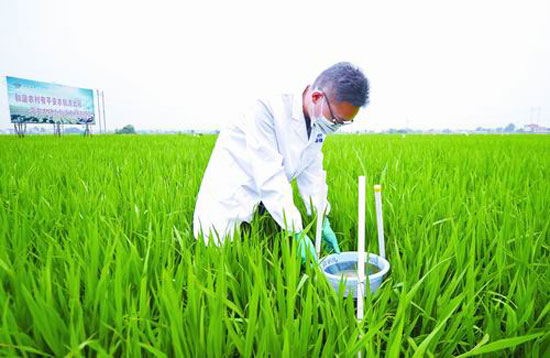
Scientific analysis of the harmless disposal of heavy metal-contaminated farmland
Technology for the harmless disposal of heavy metal-contaminated farmland
-
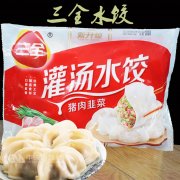
African Swine Fever Virus Found in Sanquan Dumplings: Are Soup-Filled Dumplings with Virus-Contaminated Meat Filling Safe?
You must have heard the news about swine fever in Sanquan dumplings. So do you know how Sanquan plans to handle this issue? The official response to the detection of swine fever virus in the dumplings is: all products have now been sealed and stored. The most important thing is to explain what their emergency measures are.
-
Why should information disclosure be done well first in contaminated soil remediation?
Information disclosure must be done well first in contaminated soil remediation
-
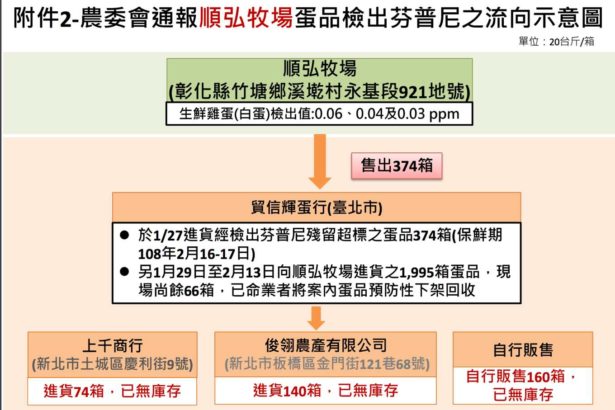
460,000 eggs contaminated with fipronil, pesticide residues severely exceeding the standard
Pesticide fipronil contaminates 460,000 eggs! Changhua Shunhong Ranch tested over the limit, products sold to Taipei and New Taipei, affecting breakfast vendors
-
What to Do About Contaminated Shiitake Mushroom Bags? A Detailed Guide to Practical Countermeasures
During indoor incubation, the mushroom bags should be turned 4 to 5 times: the first time 6 to 7 days after inoculation, and thereafter once every 7 to 10 days. When turning the bags, carefully check for contaminating microorganisms and deal with them promptly. In cases of mild contamination, where only scattered dot-like or filamentous small colonies of contaminants appear at the tied opening or in the folds of the bag and have not spread, use a syringe to draw up a mixture of 50 ml of 75% alcohol plus 30 ml of 36% formaldehyde, inject it into the affected area, and gently massage the surface with your fingers so the solution penetrates into the contaminant cells, then seal the injection hole with adhesive tape. Contamination at the inoculation holes
条件筛选