-

What diseases can benzyl ether strobin (kresoxim-methyl mixtures) prevent and control?
Benzyl ether strobin is a high-tech compound fungicide mainly used for grape black pox, downy mildew, white rot, and rice sheath blight. The diseases treated vary with different compounding ratios; for example, 30% benzyl ether strobin mainly controls downy mildew and early and late blight;
-
Can Tribenuron-methyl herbicide be used on wheat after the Chinese New Year? Keep these precautions firmly in mind
Tribenuron-methyl mainly controls broadleaf weeds in wheat fields, such as flixweed, cleavers, shepherd's purse, and corn gromwell. This formula can be said to be one of the earlier commonly used formulas since the large-scale implementation of wheat herbicides. Not only is its control effect good, but its price is also mainly cheap.
-
How long is the phytotoxicity period of sulfometuron-methyl?
Sulfometuron-methyl herbicide is a herbicide used in various wastelands, forest lands, forest firebreaks, airports, highways and other places. So how long is the phytotoxicity period of sulfometuron-methyl? 1. How long is the phytotoxicity period of sulfometuron-methyl? The herbicidal effect of sulfometuron-methyl can last for 3-6 months,
-
How to Remedy Sulfometuron-Methyl Phytotoxicity? A Full Breakdown of Remedial Methods
Sulfometuron-methyl is a chemically synthesized organic compound with high toxicity. If phytotoxicity is accidentally caused, what remedies are there for sulfometuron-methyl phytotoxicity? Let us take a look together. 1. Remedies for sulfometuron-methyl phytotoxicity If there is mistaken application
-
A Detailed Explanation of the Efficacy and Effects of Thiophanate-Methyl
Thiophanate-methyl is a fungicide with a very high frequency of use and is widely used by farmers. However, a small number of farmers are not very familiar with it, so what are the efficacy and effects of thiophanate-methyl? 1. Efficacy of thiophanate-methyl. It is a broad-spectrum systemic
-
What are the functions and effects of thiophanate-methyl?
Thiophanate-methyl is a broad-spectrum systemic low-toxicity fungicide, and it is a sterilizing agent commonly used by farmers. So what are the functions of thiophanate-methyl? 1. Functions of thiophanate-methyl. 1. Control of vegetable diseases: To control cucumber powdery mildew and anthracnose,
-
Can Thiophanate-Methyl Be Used for Root Drenching? Application Methods and Precautions
Summer temperatures are relatively high, and vegetables and fruits grow vigorously, often leading to an imbalance between nutrition and growth. Root drenching can effectively help vegetables grow, so can thiophanate-methyl be used for root drenching? 1. Can thiophanate-methyl be used for root drenching? Thiophanate-methyl
-
What is the difference between thiophanate-methyl and carbendazim?
Thiophanate-methyl and carbendazim are the most commonly used fungicides and are widely applied on many crops, but many people may not be able to tell the difference between thiophanate-methyl and carbendazim. Let's take a look together below. 1. The difference between thiophanate-methyl and carbendazim. Thiophanate-methyl is a broad-spectrum
-
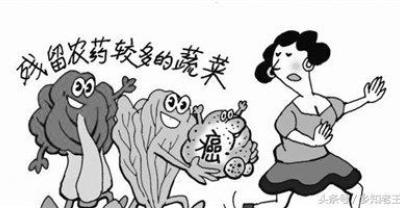
What are the commonly used pesticide insecticides? A detailed explanation of deltamethrin and methyl parathion
(1) Parathion, also known as 1605, is a broad-spectrum highly toxic insecticide. It has strong contact, stomach and fumigant action, and good ovicidal effect, but no systemic translocation...
-
How to treat rice damaged by metsulfuron-methyl herbicide injury?
Remedial measures: After transplanting (or throwing) seedlings in fields where herbicides have been applied, field inspections should be strengthened. When herbicide injury occurs, measures must be taken immediately to reduce losses. 1. Re-transplant (re-throw) seedlings: If diagnosis confirms severe seedling injury, with more than 80% of seedlings yellowed and some withered, seedlings must be gathered for immediate re-transplanting (re-throwing). Method: First drain the field water, lightly harrow once, then drain the muddy water, then level the field and transplant (throw) seedlings. In recent years, sowing and transplanting (throwing) seasons have been advanced by 7-15 days compared to traditional seasons. From discovery of injury to re-transplanting is generally 5-10 days, so the seasonal conflict is not prominent. 2. Strengthen fertilizer and water management and intertillage: For fields where injury is found, first drain the field water that has been treated with herbicide and irrigate with fresh flowing water. Next, perform intertillage to break up the original herbicide liquid layer and turn the herbicide adsorbed by the surface soil into deeper soil, reducing the effect of the herbicide on rice roots. 2-3 days after intertillage, apply 2-4 kg of imported compound fertilizer per mu to promote root growth and leaf development and accelerate growth. 3. Apply rooting agent: After draining, intertilling and fertilizing, it is best to apply 200 kg per mu of rooting agent ABT at a concentration of 200 mg/kg, which has a good effect on promoting roots. The number of roots can increase by 25%-40%, growth speed accelerates, and the sufficient seedling stage is delayed by only 5-7 days.
条件筛选