-
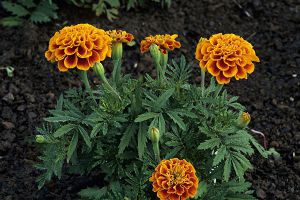
How to water marigolds? Master the correct watering method
Water is very important for it, so how should you water it to grow it well? First, we must make sure that watering is usually done only after the flower soil has dried out, and we must not water too much and cause waterlogging. In addition, during the transplanting period, you can withhold water for 7 days in advance, and resume normal watering 3 days after transplanting. During high temperatures, water must also be strictly controlled.
-

Detailed Explanation of the Cutting Method and Steps for Dipladenia
To propagate it by cuttings, the first thing is to pick the right time, preferably at the turn of spring and summer. Generally, select a semi-lignified branch about 20 cm long grown in the current year, cut it off, treat the wound, and insert it into the prepared medium. After that, cover it with a bag, place it at around 20°C, and maintain good humidity; it will root in about half a month.
-

How Does Ranunculus Overwinter? A Detailed Guide to Winter Care Methods
We all know that Ranunculus (Persian buttercup) is a wonderful plant. It grows beautifully, so it is quite popular, but in winter it still needs certain measures to get through. Let us explain this specifically in terms of temperature, light, fertilizing and other aspects. Generally, the temperature should still be kept above zero, and as for light, it still needs fairly ample light. As for fertilizer, it still needs to be applied continuously, though this varies depending on the variety. In addition, watering must not be forgotten.
-

How to Extend the Blooming Period of Peonies? A Few Practical Methods to Teach You
The flower we know as the peony is especially beautiful, but its blooming period is not as long as we might imagine. It usually blooms in the first half of May, and the time is generally only about eight to ten days, which makes many people feel frustrated. In fact, we can adopt certain methods to extend its blooming period. Generally, cleaning up flower buds, supplementing light, and timely controlling water and fertilizer can extend its blooming period by half a month. Below, let us take a specific look at exactly what should be done to make it bloom longer.
-
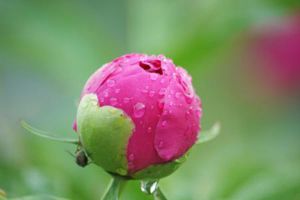
How to care for peonies in winter? Winter care methods and precautions
Peonies are relatively delicate plants, and if you want them to make it through winter safely, you still need to take certain measures. First, we need to confirm that they go dormant in winter, so we should let them stay in a dormant state, as this is the only way they will grow especially well the following year. In addition, their temperature requirements are also relatively high, and both daytime and nighttime temperatures need to be carefully adjusted. Besides that, we also need to give them a certain amount of light, but not direct sunlight. Next, let's talk about it.
-

How to propagate lilac by cuttings with a high survival rate? Detailed method and steps
This plant is undoubtedly fragrant, and it has several propagation methods, one of which is cuttings, but most people do not know how to do cuttings. In fact, this method is very simple. About one month after flowering, we need to select soft leafy shoots grown in summer or robust hardwood branches one or two years old, cut about 15 cm, remove the lower leaves, soak them in indoleacetic acid, and then insert them into a hotbed.
-
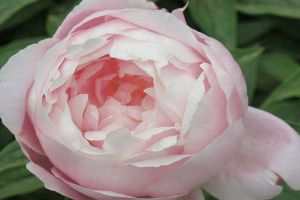
How to grow peonies so they thrive? These care methods you need to master
This is a very beautiful plant, and many people are captivated by it, but when they want to grow it they do not know how, so let us talk about how to grow it so that it grows well. Generally, we need to cover soil, watering, light, temperature, fertilizing and other aspects. If you want to know exactly what to do, take a careful look at the key points below.
-

How to water the blue-eyed daisy (Arctotis)? The correct method explained clearly in one go
In summer, choose the cooler morning and evening hours to water; in spring and autumn, water at 9 a.m., 3 p.m. or in the evening; in winter, water at the warmer midday. Each time you water, water thoroughly, and be careful not to let too much water touch the stems, but do not let water accumulate either. After watering, it is best to move it to a cool, ventilated spot to slow down water evaporation. If water accumulates in the pot, promptly pour out the excess water or simply repot it, otherwise root rot will kill the plant.
-

-
条件筛选