-

In poverty alleviation, it is necessary to support both materially and in spirit, and to stimulate the internal drive for escaping poverty.
In poverty alleviation, it is necessary to support both materially and in spirit.
-
Sea cucumbers can rapidly change their body stiffness, providing a template for medical material development
Sea cucumbers can rapidly change their body stiffness, providing a "template" for medical materials
-
Silkworms spin super-strong silk after eating carbon nanomaterials
Silkworms that eat carbon nanomaterials spin super-strong silk
-
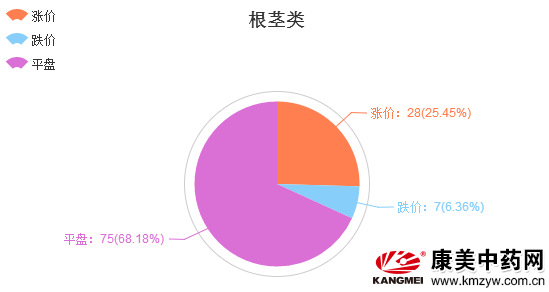
Traditional Chinese Medicine Materials Market Q1 2016 Analysis Report
Q1 2016 Traditional Chinese Medicine Materials Market Analysis Report
-
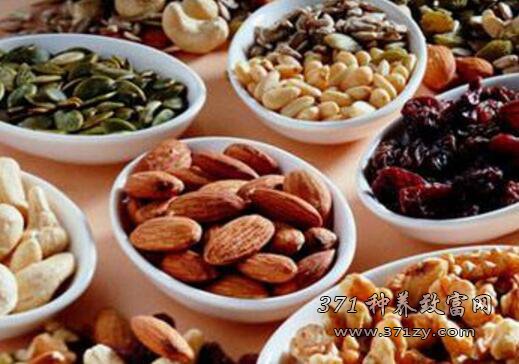
2017 Market Analysis of Whether Traditional Chinese Medicine Material Prices Rose or Fell
2017 Medicinal Material Market Price Analysis: Did Traditional Chinese Medicine Material Prices Rise or Fall in 2017?
-
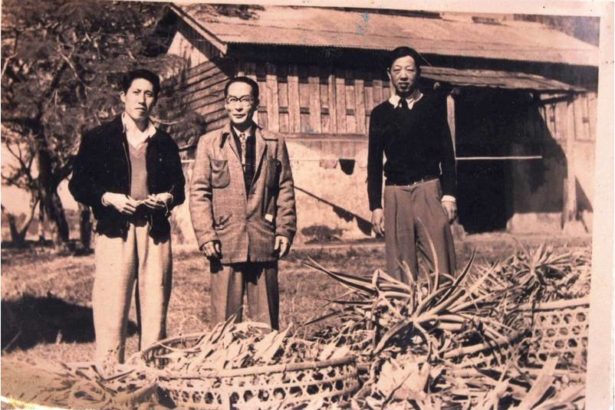
Sun Shougong used a magnifying glass to develop Sun-Huang microbial control materials and protect Taiwan's plant pathology
A lifelong legend in the field of plant pathology, Sun Shougong guarded Taiwan, China with a magnifying glass and developed "Sun-Huang" to launch microbial control materials
-
Detailed Explanation of Key Points of the Aerated Composting Technique for Straw Mushroom Culture Material
Under suitable temperature conditions, the production cycle of straw mushroom is about 20 days. From sowing to harvesting the first flush of mushrooms takes about 10 days, and the yield is mainly concentrated in the first flush. In our province, it can be cultivated from May to September every year. Based on this production characteristic of straw mushroom, the author, in the work of promoting straw mushroom cultivation in rural areas, summarized a new composting method - the aerated composting method, and achieved very good results. Straw mushroom can be cultivated using rice straw plus some supplementary materials or solely cottonseed hulls. Before building the pile, sun-dry the rice straw or cottonseed hulls for 1 day, then soak them thoroughly in lime water at pH 11-12, and scoop
-
How to achieve high yield in raw material soil-casing cultivation of straw mushrooms (Volvariella volvacea)?
I. Select virus-free spawn. Virus-free spawn of straw mushroom has the obvious production advantages of not carrying any viruses or pathogenic bacteria itself, strong resistance, and high yield. Spawn should be selected according to the destination of the product, such as V23 with large-grain characteristics, suitable for fresh sale or drying; Nongke V42 with medium-to-large grain characteristics, suitable for both fresh sale and salted processing; other small-to-medium grain types are suitable for canning processing, etc. II. Chemical treatment of the mushroom shed. Generally, a solution of Baibingquwuzong can be used to spray the mushroom shed carpet-style, thoroughly killing viruses, pathogenic bacteria, etc., to ensure the cleanliness of the production site
-
Detailed Explanation of Fox Feed Formulation Methods and Raw Material Ratios
The fox's digestive tract is shorter than that of the raccoon dog, its dental chewing surface is less developed than that of the raccoon dog, and the fox's large colon and cecum are also less developed than those of the raccoon dog. The time food takes to pass through the digestive tract is only 25-30 hours for the fox, while the raccoon dog needs about 40-50 hours. Therefore, the fox's ability to digest and absorb nutrients from feed is weaker than that of the raccoon dog. The fox has higher requirements for animal-based feed and vitamins than the raccoon dog. The fox's demand for feed is greatest in summer and weakens in winter. Nutritional needs differ across different biological periods; generally, they are higher during the breeding season than during the non-breeding season, and the diet should be based mainly on animal-based feed, mixed with some plant-based feed.
-
Method for Making Fermented Soil and Other Materials for Agaricus bisporus
At present, foreign factory-based mushroom production all uses peat with high saturated water content, good water-holding capacity and high porosity as the casing soil material, and the yield per unit area is relatively high. There are roughly five types of casing soil materials used in China, namely coarse and fine soil, mixed soil, river mud and rice husk soil, fine mud and rice husk soil, and fermented soil. Fine mud and rice husk soil and fermented soil are two casing soil materials developed according to China's current mushroom cultivation methods and rural conditions, with simple preparation and good casing soil effects. These two casing soil materials have relatively high saturated water content, good water-holding capacity and relatively large
条件筛选