-
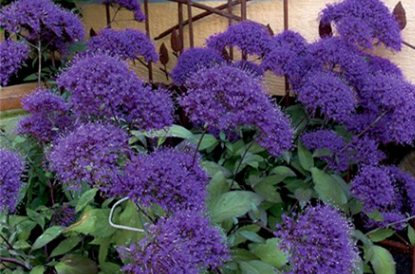
Classification of Trachelium caeruleum varieties: excellent floral material for flower arranging and cut flowers
Flowers that are not flowers, mist that is not mist. It comes at midnight, leaves at dawn. It comes like a spring dream that does not last long, and departs like morning clouds with no place to be found. Just as described in the poem, Trachelium caeruleum is ethereal and enchanting, and is deeply loved by people. 1. The "Devotion" series of Trachelium caeruleum has long been favored by floral designers
-
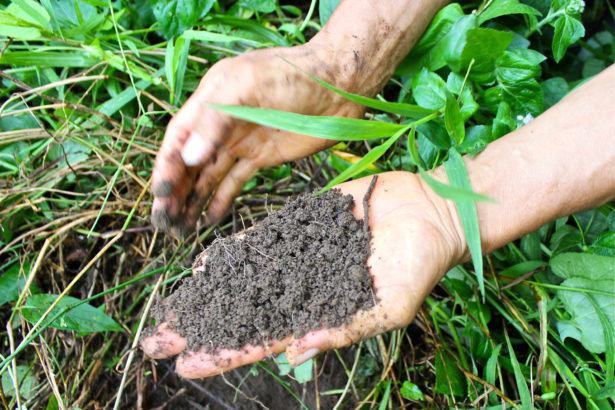
Chen Xingzong: Weeds are not the enemy, they are the soil's divine teammates that help farmers increase income
Chen Xingzong / Weeds are not the enemy, but the soil's divine teammates, and they can even help farmers increase income
-

Ecological aquaculture systems respond to climate change by turning to safe and precise smart farming
It is not only crops on land that are constantly challenged by extreme weather, but also aquatic products in aquaculture ponds. Sometimes a cold snap can kill an entire pond of fish, and a short period of heavy rain can cause fish ponds to overflow their banks, with fry and fish all lost; crops can rely on cultivation equipment to escape
-
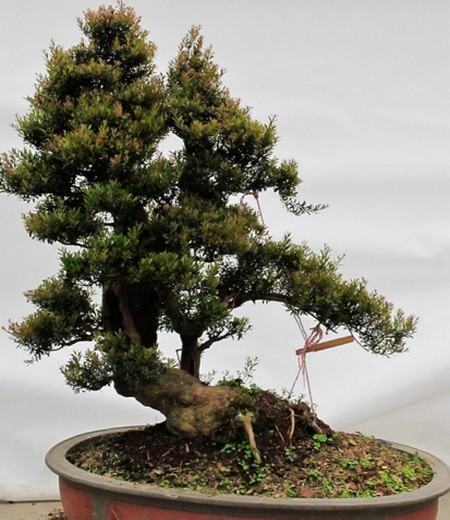
Detailed Explanation of Styling Methods for Syzygium buxifolium Bonsai Stock Material
Syzygium buxifolium (boxleaf syzygium) has become an excellent tree species for making bonsai because of its advantages: dense branches, small leaves, year-round green foliage, peculiar and grotesque trunk shapes, a thousand forms and a hundred postures, interlacing branches, interesting gnarled root bases, wide adaptability, and easy management. However, a perfect Syzygium buxifolium bonsai must also rely on artificial artistic processing, carrying out trimming and styling, so that the bonsai does not grow tall
-
Taiwan pomelo production is estimated to drop 10% this year, but the Agriculture and Food Agency says it is still 6% more than in an average year.
By Zhuang Xiaoping. Lead image courtesy of the Hualien District Agricultural Research and Extension Station (this season, not this year). In the warm winter at the start of this year, many fruit trees were affected by the climate and failed to flower, with lychee and longan trees losing up to 70% of their production. Recently, some pomelo farmers have also found that the fruit-setting rate of pomelos has been slightly affected. On the 6th, the Agriculture and Food Agency announced its June fruit production forecast, indicating that pomelo production may
-
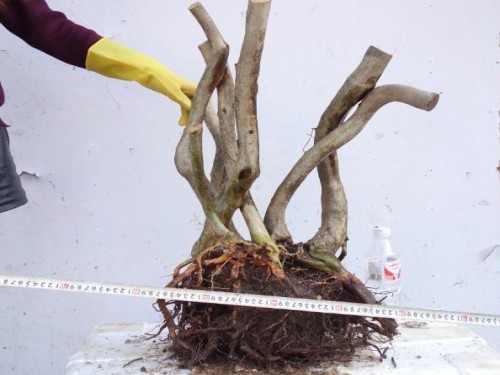
Key Points of Trunk Pruning Techniques for Stump Bonsai Material
Stump bonsai is a living art form in which old woody plants are planted in pots and, through years of artistic processing such as pruning, wiring and fertilizing, together with meticulous management, are made to develop powerful, vigorous trunks and lush, verdant foliage. It does not take its final form from the initial artificial shaping, but instead keeps growing and changing according to natural laws, therefore
-
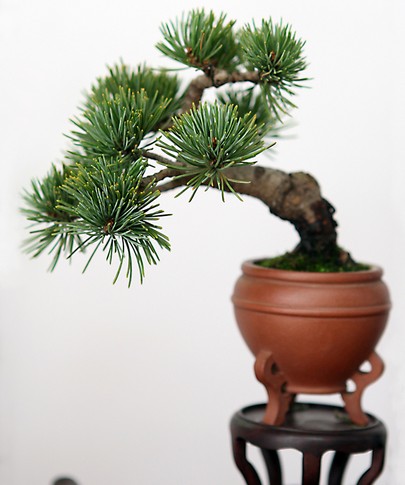
Material selection methods and techniques for making miniature bonsai
Miniature and small bonsai belong to the small-size category among bonsai artworks, with miniature bonsai being the smallest, generally under 10 cm, known as palm-top bonsai; small bonsai are 11 cm to 40 cm (Note: in this book, the first dimension given for a work is height, and the second is width). Precisely because they are known for being tiny, viewing the large within the small, and being small and exquisite
-
Mushroom Cultivation Raw Material Formulas and Disease Control Methods
Mushroom Cultivation Raw Materials and Formulas
-
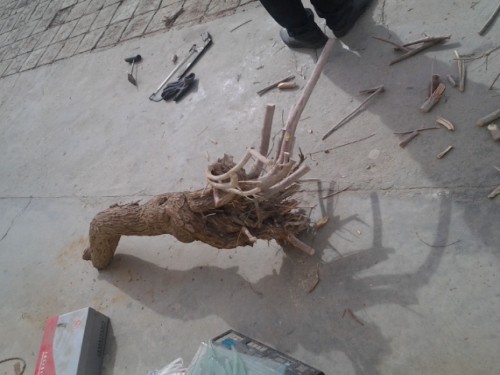
Detailed Explanation of Field Digging Techniques for Bonsai Stump Material
The classification of stump bonsai should include wild stumps and nursery-grown types. The former refers to bonsai made from dug-up wild stumps, whose main characteristic is aged and archaic simplicity; the latter refers to bonsai made from artificially cultivated seedlings, whose main characteristic is rigorous composition. The two must not be lumped together. To dig up tree stumps in the field, first do the preparatory work before digging.
-
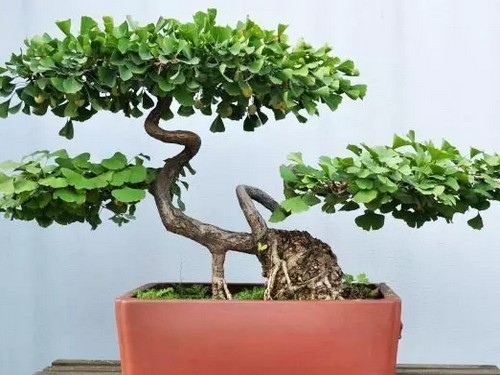
A Detailed Guide to Material Selection and Cultivation Methods for Ginkgo Bonsai
Ginkgo is a tree species with a remarkably long history of survival. Since ancient times in China, it has been regarded as an excellent material for bonsai. Ginkgo bonsai types can be divided into three kinds: foliage-appreciation, fruit-appreciation, and trunk-appreciation. To make ginkgo bonsai, one should select root-sucker seedlings from beneath large ginkgo trees and stalactite branches of ginkgo trees.
条件筛选