-
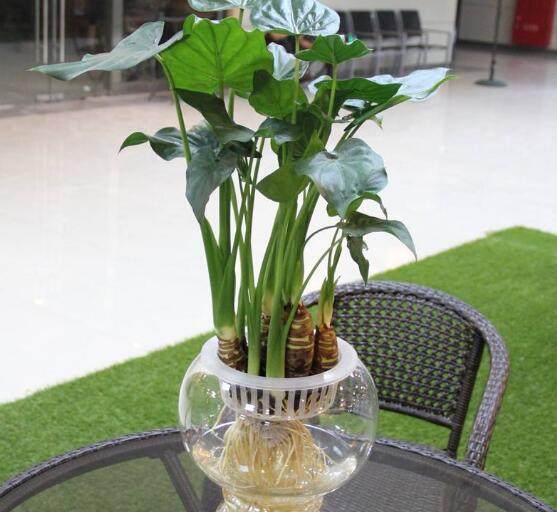
Add a little something to your hydroponic Alocasia macrorrhizos (giant taro), and its roots will be plump and its leaves big and glossy
Alocasia macrorrhizos can absorb dust and purify the air, and its leaves even drip crystal-clear water droplets from their edges, which is very beautiful. How do you grow Alocasia macrorrhizos hydroponically? What little tricks are there? If you want to grow a hydroponic Alocasia...
-
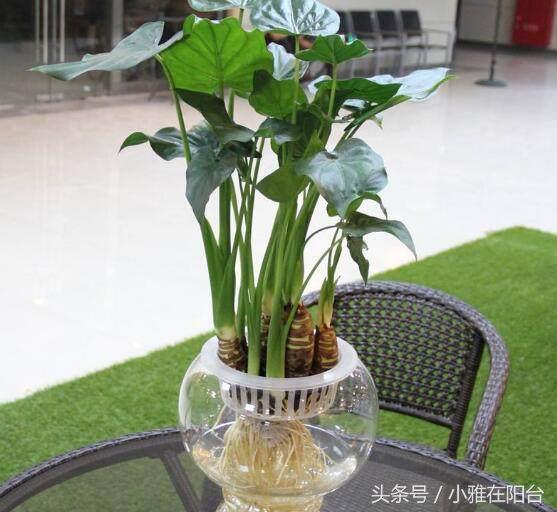
Simple little tricks for hydroponic Alocasia macrorrhizos (giant taro): fat roots, strong leaves, and a shine of vivid green
Alocasia macrorrhizos can absorb dust and purify the air, and its leaves even drip crystal-clear water droplets from their edges, which is very beautiful. How do you grow Alocasia macrorrhizos hydroponically? What little tips are there? If you want to grow a hydroponic Alocasia macrorrh...
-

How to fertilize Alocasia macrorrhizos (giant taro) so its leaves grow large and green
Alocasia macrorrhizos has very large leaves, and its glossy green foliage is loved by many people. It can also improve the home environment and bring people a fresh feeling. To grow Alocasia macrorrhizos well, you need to master the fertilizing method! Fertilizing methods for Alocasia macrorrhizos: (1). Alocasia macrorrhizos likes...
-
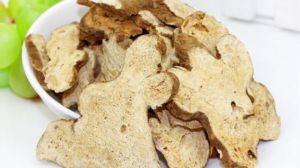
A Detailed Explanation of the Benefits and Effects of the Chinese Herb Atractylodes Macrocephala
Preventing miscarriage: Certain compounds contained in Atractylodes macrocephala help prevent miscarriage. Relieving dizziness: Patients who often experience dizziness and vertigo can relieve it by eating a little Atractylodes macrocephala. Anti-stress: It has the effects of resisting fatigue and enhancing adrenal cortical function. Liver protection: It can effectively prevent and treat liver damage caused by carbon tetrachloride and promote the growth of liver cells.
-
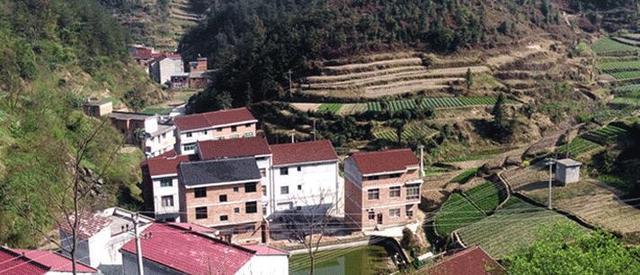
What are the technical requirements for standardized cultivation of Atractylodes macrocephala
Technical requirements for standardized cultivation of Atractylodes macrocephala 1 Growth and development characteristics Atractylodes macrocephala must be grown for 2 years before the commercial product can be harvested. In the 1st year, seeds are used to cultivate seedling rhizomes, and in the 2nd year they are planted in the field to harvest the commercial product. Atractylodes macrocephala seeds begin to germinate above 15 °C, with 25-3...
-
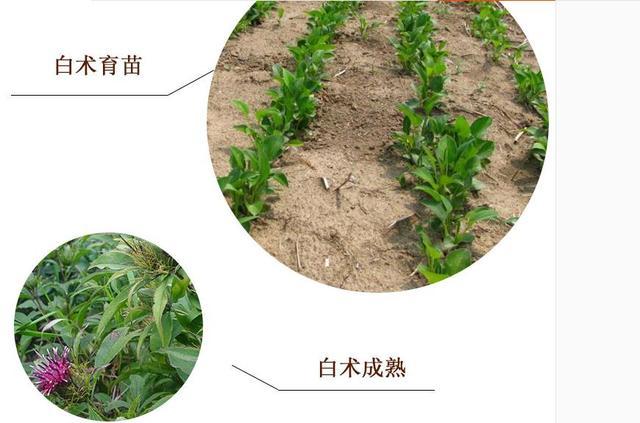
After planting, this Atractylodes macrocephala grows relatively fast and yields a relatively high output.
This Atractylodes macrocephala grows relatively fast after planting and has a relatively high yield (Guangzhuan). Atractylodes macrocephala: a perennial herb of the genus Atractylodes in the family Asteraceae, reaching up to 60 cm in height, with a nodular rhizome. The stem is erect, entirely smooth and hairless. The leaves are alternate, and the leaf blades are pinnately parted, with the lateral lobes oblanceolate, elliptic or oblong-elliptic, and the terminal lobe larger than the lateral lobes; all the leaves are thin in texture, papery, green on both sides, and hairless. The capitulum is solitary at the apex of the stem and branches, and the bracts are green and spiny-pinnately parted. The involucre is broadly bell-shaped, with a purplish-red apex. The achene is obconical. It flowers and fruits from August to October. It is distributed in Jiangsu, Zhejiang, Fujian, Jiangxi, Anhui, Sichuan, Hubei and Hunan in China, and this species is cultivated. This species also has numerous commercial names, such as, based on the shape of the rhizome of the crude drug, "hexingshu", "jinxianshu", or "baizhutui"; named according to the place of origin, such as "huizhu"; and named according to the season when the rhizome emerges from the soil, such as "dongzhu". The quality of Yuzhu (Yuqian, Zhejiang) is considered the best. Its medicinal function is as a spleen-activating drug; its nature and flavor are bitter, warm, pungent and strong, and it has the effects of drying dampness, resolving turbidity and relieving pain.
-
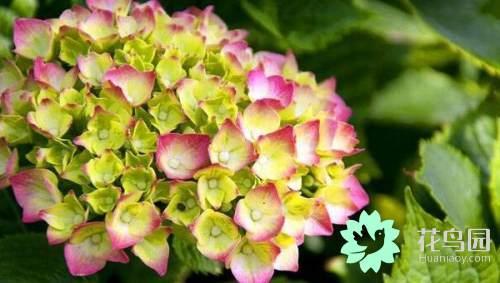
Is hydrangea (Hydrangea macrophylla) poisonous, and can it be kept safely at home?
Hydrangea has large, thick leaves, a flower shape like a hydrangea ball, and flowers in many colors that delight the eye. But does its beautiful appearance hide a toxin? The editor will answer this question right now! The whole plant is poisonous. How could such a beautiful hydrangea be non-toxic? Here the editor...
-
What are the benefits and effects of Chinese garlic (Allium macrostemon)? This article will help you understand
Anticoagulant: Chinese garlic contains essential oils and has an anticoagulant, anti-thrombotic effect. Antibacterial and anti-inflammatory: it has antibacterial and anti-inflammatory effects and can treat some infectious diseases caused by bacteria. Promotes digestion: it can enhance the activity of the digestive system. Lowers blood lipids: the allicin it contains has a certain blood lipid-lowering effect.
-
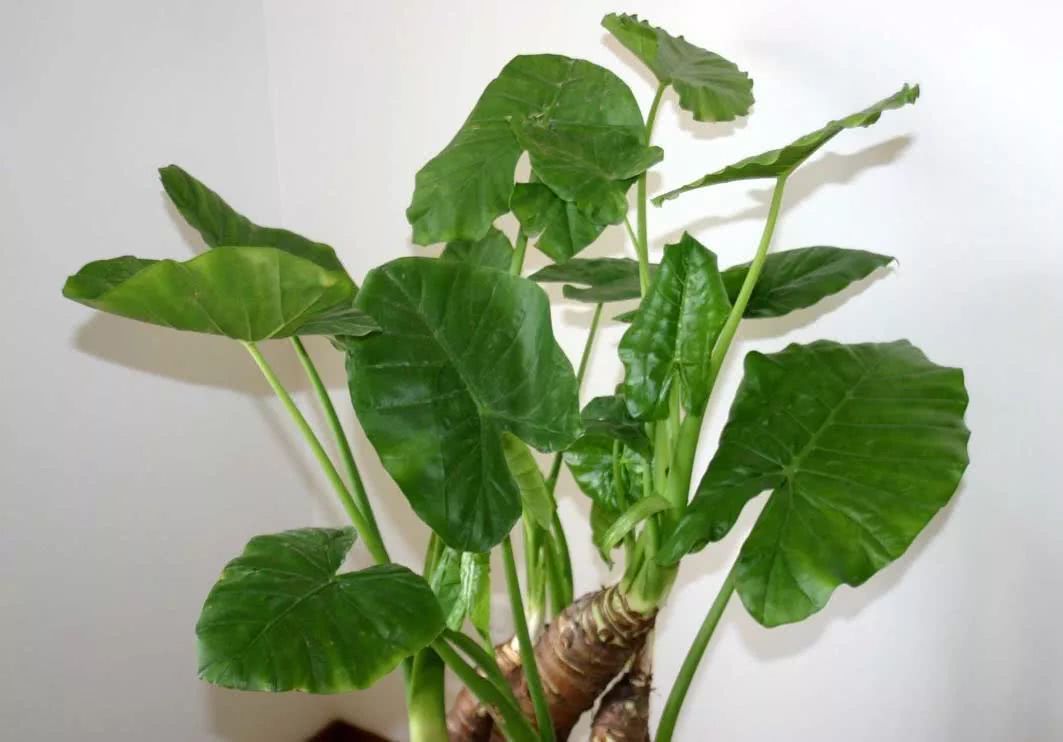
Tired of growing Alocasia macrorrhizos in soil? Try hydroponics
Alocasia macrorrhizos, also called giant taro. Because its leaves are covered with "stomata" and "water pores", when the outside temperature is higher and the humidity is greater, the water expelled from the water pores gathers at the leaf tips or edges of the Alocasia macrorrhizos leaves, thus forming...
-
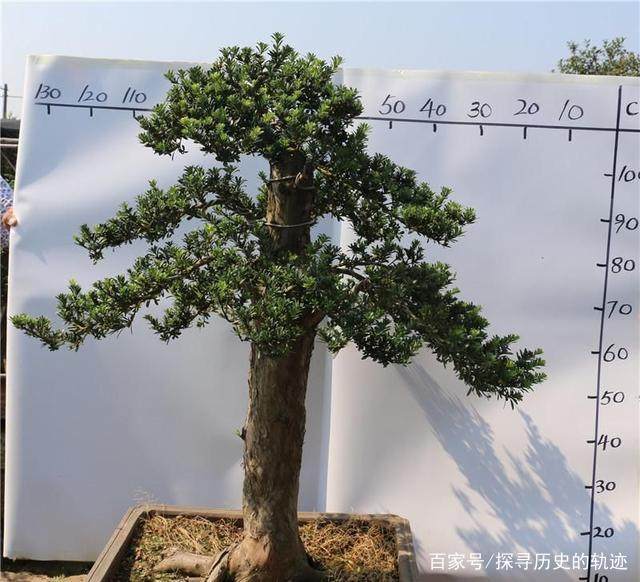
How to care for a Buddhist pine (Podocarpus macrophyllus) bonsai with small rice-like leaves? Compact and petite, evergreen through all four seasons
I thought Buddhist pine trees were passed down in families on New Year's Eve, but rice-leaf pine, I was not proficient in it, I had never even heard of it before, and then I learned that rice-leaf Lohan is a type of Buddhist pine. It is precisely because everyone did not know about it around Lunar New Year's Eve that in addition to...
条件筛选