How to fertilize Alocasia macrorrhizos (giant taro) so its leaves grow large and green
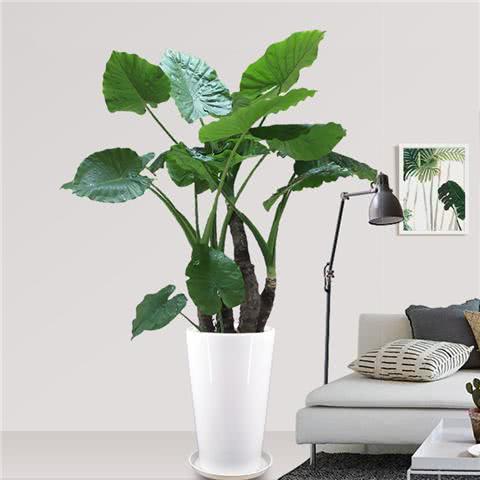
Alocasia macrorrhizos has very large leaves, and its glossy green foliage is loved by many people. It can also improve the home environment and bring people a fresh feeling. To grow Alocasia macrorrhizos well, you need to master the fertilizing method!
Fertilizing methods for Alocasia macrorrhizos:
(1). Alocasia macrorrhizos likes fertilizer; generally apply a dilute fertilizer of nitrogen, phosphorus and potassium 1~2 times a month. In winter, Alocasia macrorrhizos directly enters dormancy and should be fertilized less, with 1 dilute fertilizer application a month; fertilizing should be light and dilute. Fertilizing should be kept away from the rhizome to avoid burning the rhizome.
(2). If the leaves of Alocasia macrorrhizos appear thin and weak, dry and yellow, that is a sign of fertilizer deficiency, so replenish nutrients in time. A deficiency of elements such as nitrogen, phosphorus and potassium shows as new leaves being fine while old leaves show symptoms, so supplement nitrogen, phosphorus and potassium fertilizer.
(3). For fertilizing Alocasia macrorrhizos, choose cake fertilizer mainly containing nitrogen; compound fertilizer is most beneficial to the growth of Alocasia macrorrhizos.
(4). When fertilizing, 2% ferrous sulfate can be added, applied once every 1 month; it can improve the soil, increase soil acidity, make Alocasia macrorrhizos leaves grow larger and thicker, dark green, smooth and glossy, and promote flower bud formation.
(5). When fertilizing, pay attention to concentration and dosage, otherwise it easily causes fertilizer burn; do not let the fertilizer water get into the leaf sheaths, to avoid rot.