-
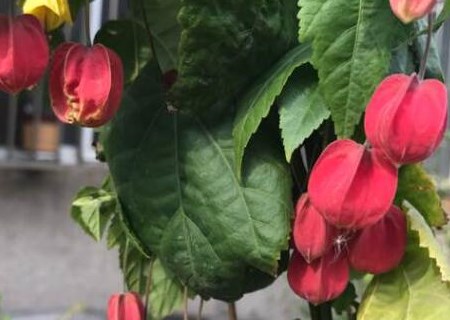
What are the cultivation methods and precautions for the beautiful trailing abutilon? In which month should cuttings (layering) be done? What if it does not bloom
Trailing abutilon, also known as hanging bell flower, prefers a warm, humid and sunny environment, and also tolerates partial shade; it is neither cold-tolerant nor drought-tolerant, and is suited to loose, breathable soil rich in humus. So do you know the cultivation methods and precautions for trailing abutilon? In which month should cuttings (layering) be done? What if it does not bloom
-

2018 Pigeon Breeding Greenhouse Design Breeding News China Layer Information Network, How to Build a Pigeon Breeding Greenhouse Supply Information Jinnong Network
After steady development following the 1990s, the pigeon breeding industry has gradually moved toward maturity. At present, market prices are relatively high, and the pigeon breeding industry has once again attracted the attention of many investors. But any breeding industry, no matter how mature, is [More]. Pigeons are a highly economically valuable organism, and more and more people have begun trying to use greenhouse breeding to raise pigeons. Although the emerging greenhouse pigeon breeding technology has advantages such as low cost, easy construction, and relatively low difficulty of renovation, pigeons [More]
-
Honey Bee Keeping Techniques: Research on Swarming Behavior - Farming News - China Layer Chicken Information Network, Video: Honey Bee Keeping Techniques (Part 1) - China Honey Network
Honey bees are social insects. A colony contains a queen bee, worker bees and drone bees. These 3 types of bees in the colony divide the work and cooperate to jointly maintain colony life. Swarming behavior is the only way for a colony to naturally reproduce. Swarming behavior [More]. The Honey Bee Keeping section mainly introduces how to keep honey bees, including honey bee keeping techniques, honey bee keeping videos, beekeeping knowledge, honey bee keeping knowledge, etc.
-
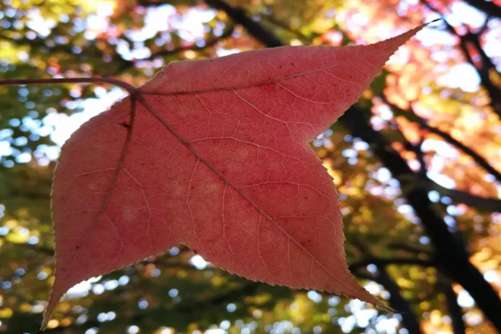
Sweetgum tree cultivation methods shared, leaf colors layered in deep red mixed with light yellow
Speaking of the sweetgum tree, it should be one of the plants loved by many plant enthusiasts. You can see it on street corners and alleys, or in autumn when large swaths of sweetgum trees have their leaves turning from green to yellow to red, dyeing the whole forest in layers - it is a very beautiful sight.
-
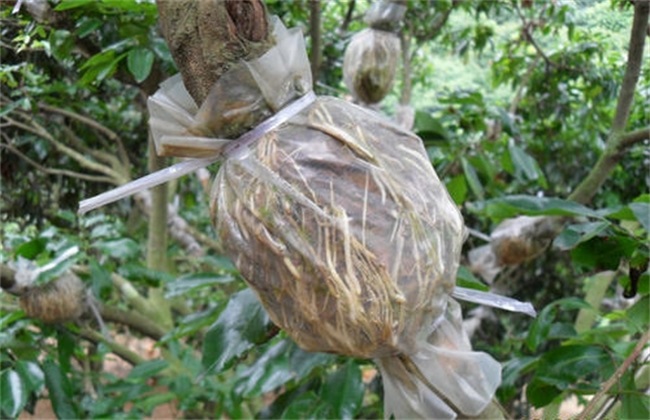
Detailed Explanation of Lychee Air Layering Propagation Techniques, Beginners Can Easily Learn
Lychee Air Layering Propagation Techniques
-
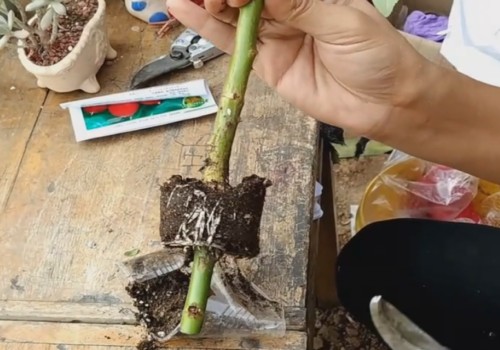
How to transplant and pot up a rose after air layering propagation
Many flowering plants can be propagated by air layering to produce small potted seedlings, and for roses, this method can also be used. Once roots appear at the base of the rose stem from air layering, we can cut it off from the mother plant and then transplant it into a pot to establish it. So
-

Illustrated Guide to Air Layering Propagation of Pomegranate Bonsai Branches
The pomegranate's branches are soft and easy to shape, making it an excellent tree species for quickly forming bonsai. The method of cultivating pomegranate bonsai that bears fruit in the same year using air layering takes advantage of the pomegranate's strong sprouting ability, high survival rate and ease of cultivation, and uses the traditional "branch layering method" to selectively air layer branches high on the pomegranate tree in order to obtain trunk material with good form
-
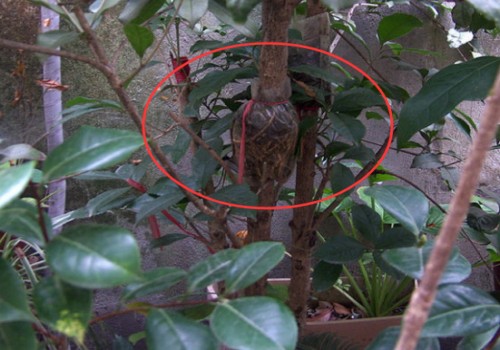
How to propagate plum blossoms by air layering? Detailed methods and steps
Plum blossoms not only come in many varieties but also vary in flower color, yet they usually all give off a pleasant delicate fragrance. Because plum blossoms are beautiful in bloom, have a striking fragrance, and have sturdy, vigorous branches, they are very suitable for growing as potted plants and can even be shaped into fine bonsai specimens for appreciation. For most plum blossom varieties
-
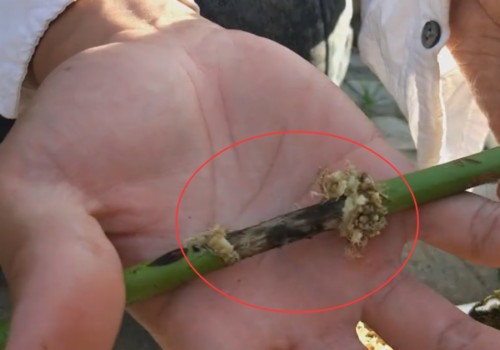
What to Do If Roses Fail to Root After Cutting or Air Layering
There are many propagation methods for roses, among which cutting and air layering are relatively more efficient and have a higher survival rate. However, sometimes we find that whether it is a cut rose or an air-layered rose, we often only see callus tissue but no roots. So in this case
-
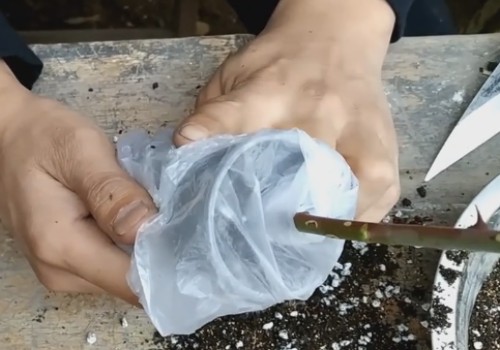
How long does it take for rose air layering to root?
Ground-planted roses often produce a great many basal shoots. In spring, we can transplant the rose into a flower pot. Then let it grow in the pot for one year, and when the basal shoots grow to 2 cm in thickness, we can cut off the surplus branches for air layering propagation, and grow them into tall standards for grafting to improve new varieties
条件筛选