-
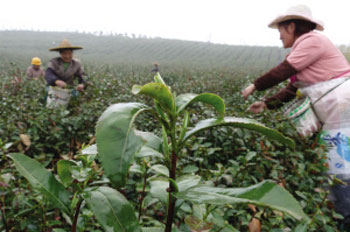
Zhejiang Hit by Late Spring Cold Snap, Half of Tea Gardens' Tea Leaves Frozen
Zhejiang Hit by "Late Spring Cold Snap," Half of Tea Garden Leaves Frozen and Damaged
-
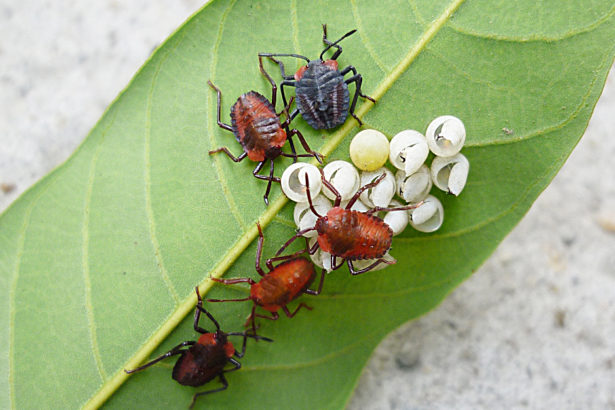
It's the perfect time to tackle the lychee stink bug! Spraying pesticide after egg-laying is too late; releasing Anastatus wasps in spring to remove egg masses is the most effective
It's the perfect time to tackle the lychee stink bug! Spraying pesticide after egg-laying is too late; releasing Anastatus wasps in spring to remove egg masses is the most effective
-

Common abnormal phenomena and handling measures in oyster mushroom cultivation in late spring and early summer
Late spring and early summer is a good season for cultivating oyster mushrooms. However, due to improper operations, some mushroom growers experience abnormal phenomena such as yellowing and necrosis of mushroom logs after fruiting, souring and stinking of the substrate, and delayed fruiting after the mycelium has fully colonized the bags, which reduces the success rate, yield, and quality and directly affects economic returns. Based on many years of production practice and the experience of growers, the author summarizes the causes of these abnormal phenomena and the handling measures as follows. 1. Mass death of young mushrooms after fruiting from the mushroom bags In late spring and early summer, sometimes after the mushroom logs fruit, young mushrooms turn yellow and soft in large numbers, their bases thicken, and then they wither and rot into dead mushrooms.
-
Prevention and Treatment of Vitamin Deficiency in Pigs in Late Winter and Early Spring
In late winter and early spring, pigs are prone to vitamin deficiency. The main reason is that green fodder is still relatively scarce; in addition, some pig farmers provide a single, unbalanced feed, and the pig houses lack sunlight and ventilation, so pigs are susceptible to vitamin deficiency in spring. The prevention and treatment methods are described below: Vitamin A deficiency. Symptoms: dry skin, dull coat, indigestion, reduced appetite, slow growth. In some cases, vision is weakened and the nerves are disturbed. In severe cases, spasms, circling, unsteady gait, incoordination of movement, and even paralysis of the hindquarters may occur. In sows
-
High-yield Wild-simulated Cultivation Technique for Oyster Mushrooms in Winter and Spring
Oyster mushrooms produced using wild-simulated cultivation techniques not only taste as delicious as wild ones, but also truly achieve ecological, high-quality, high yields. Even in the cold winter and low-temperature early spring seasons, they can be grown in a relatively enclosed shade shed, making full use of ground heat to produce thick, tender, high-quality oyster mushrooms. This method increases yield by more than 60% compared with conventional cultivation methods, and by more than 40% compared with cultivation methods such as mushroom walls, with a biological conversion rate reaching more than 220%. The specific techniques for high-yield, high-quality wild-simulated cultivation of oyster mushrooms in winter and spring are as follows: 1. Mycelium culture: Use high-pressure or atmospheric-pressure sterilization
-
How to Do a Good Job of Disinfection in Rabbit Farms in Late Spring and Summer
Late spring and early summer is the time when bacteria and viruses begin to multiply in large numbers. Therefore, disinfection work on rabbit farms should be placed in an important position. To this end, the disinfection techniques for rabbit farms in early summer are introduced as follows: 1. Rabbit house disinfection: disinfect once a week. Before disinfection, thoroughly remove leftover feed, bedding straw and other filth, scrub clean with clean water, and disinfect after drying. The disinfectant can be a 2% caustic soda solution, etc.; a blowtorch or the flame of burning firewood and grass can also be used for disinfection, which is very effective at killing insect eggs and parasites. 2. Feeding utensil disinfection: every
-
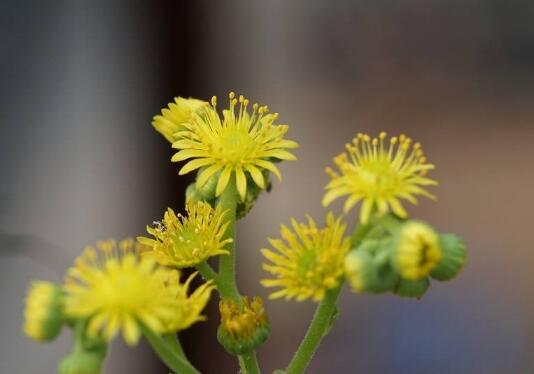
Mountain rose blooms from late spring to early summer; does it die after blooming?
Mountain rose is a highly ornamental plant that can be seen in many parts of China, but many people do not want it to bloom, because it is said that it dies after flowering. So is this really the case? Does mountain rose die after blooming? How long is the flowering period of mountain rose?
-
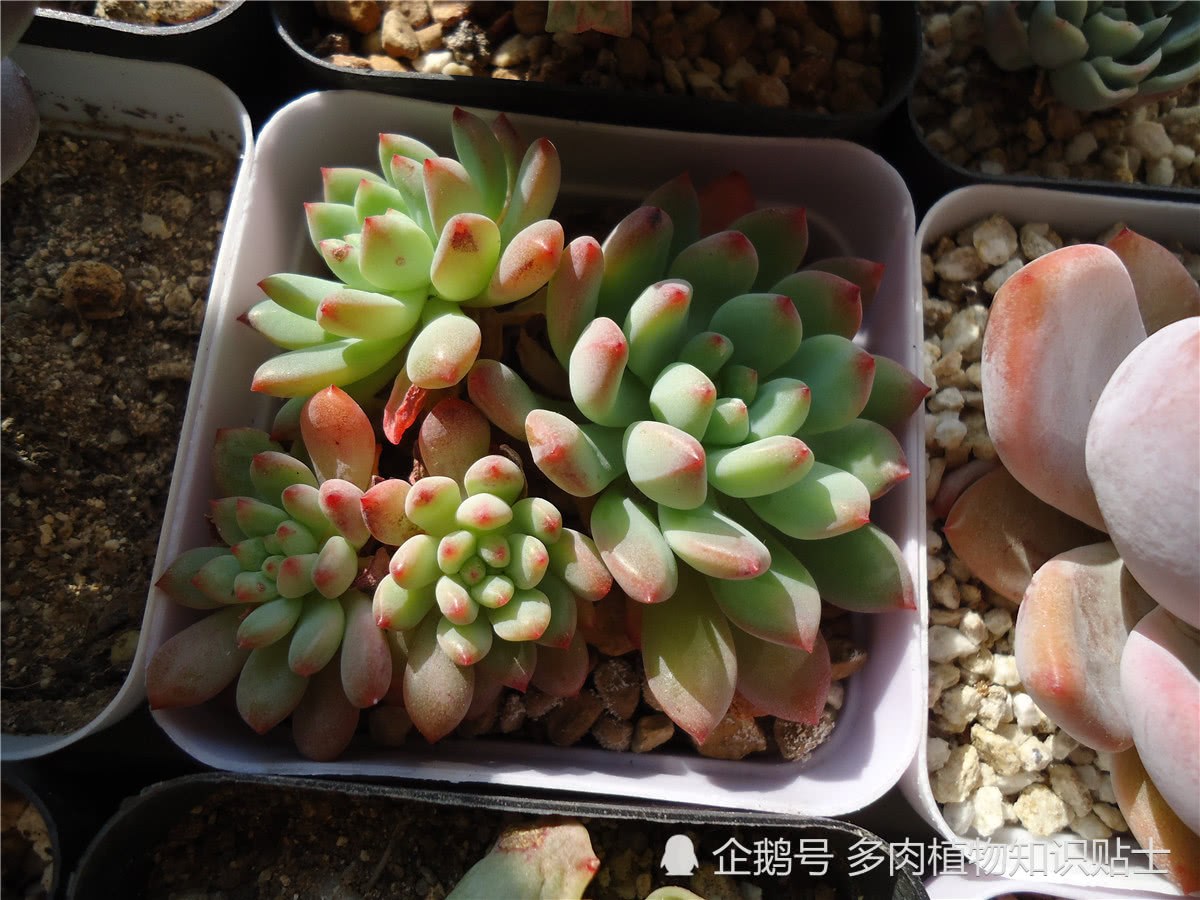
Late spring and early summer: it's time to give the balcony succulents more sun
Thanks to luanfeifei for the material. Some Sedum on the balcony. Some Sedum on the balcony. Some Sedum on the balcony. Some Sedum on the balcony. Some Sedum on the balcony. Some Sedum on the balcony. Some Sedum on the balcony. Some Sedum on the balcony. Some Sedum on the balcony...
-
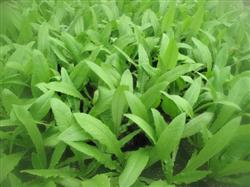
Management advice for spring potatoes after late-spring cold damage
1. Variety selection. Leaf lettuce is grown mainly for its leaves, which are eaten mostly raw, hence it is also called lettuce. The leaves are deeply lobed and wrinkled; it is highly adaptable and easy to cultivate. Good varieties include Guangzhou Dongshan lettuce (soft-tail lettuce), glass lettuce, Lettuce King, and American Great Quick Growth, etc. 2. Seedling raising. Leaf...
-
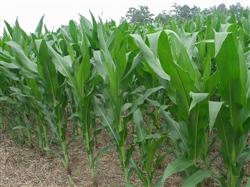
What are the key points for field management in the late stage of spring corn?
1. Choose good varieties. Choosing good varieties is the key to achieving a corn harvest; be sure to choose varieties introduced by formal agricultural technology departments, or varieties that have been approved by the provincial seed approval committee. In 2006, what we introduced was "Changxin No. 1," introduced from elsewhere by Danleng County Changxin Seed Co., Ltd. Per mu...
条件筛选