-
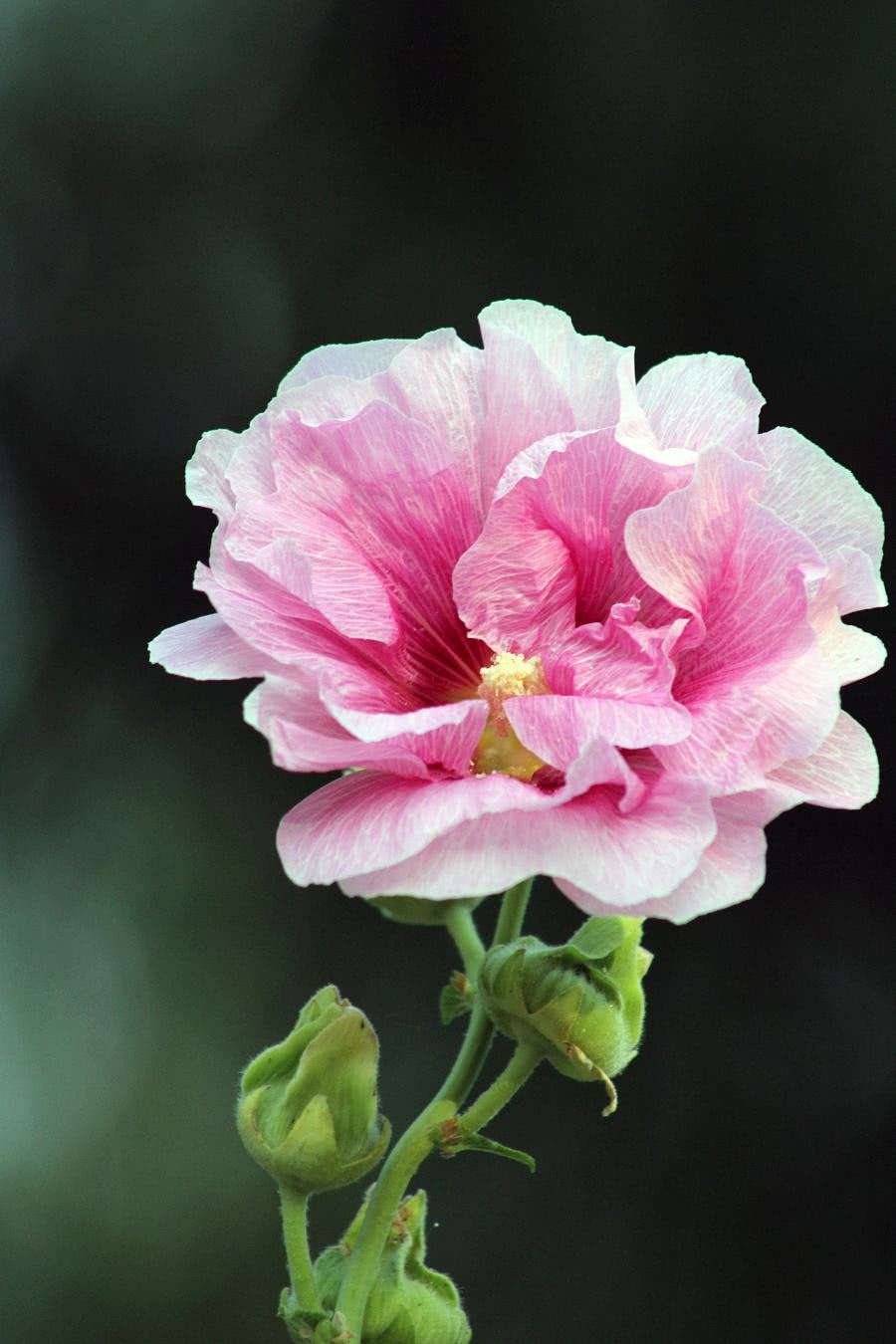
The flower language of the hibiscus is pure love.
Hibiscus, also known as cotton rose, frost-resisting flower, and wood lotus. It belongs to the Malvaceae family, a deciduous large shrub or small tree, reaching up to 7 m in height. The stems have stellate hairs or short pubescence. The leaves are large, broadly ovate and nearly round-ovate, palmately 5-7 lobed, with bluntly serrate margins,...
-
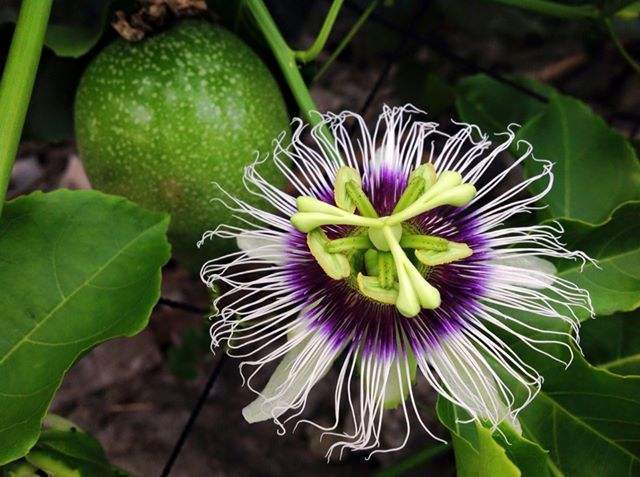
The flower language of the passionflower is longing and aspiration
Passionflower, a perennial evergreen climbing woody vine, is an aromatic and delicious fruit known as the "king of juices." Also known as passion fruit, Brazilian fruit, vine peach, passion fruit, clock flower, western chrysanthemum, twining stem lotus, and sour eggplant...
-
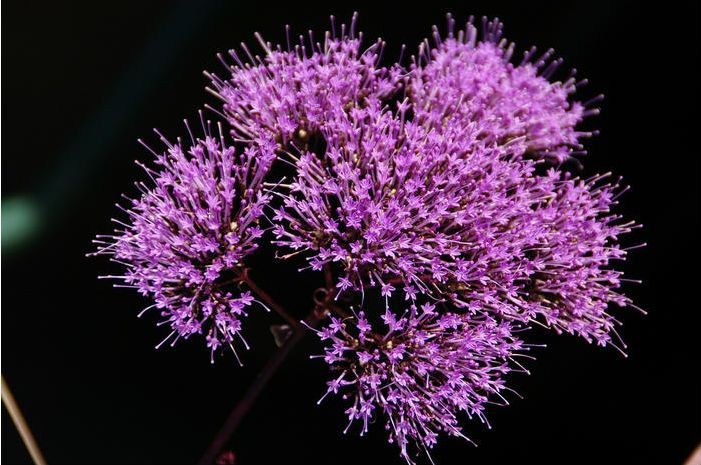
The flower language of the trailing phlox is passionate longing and deep devotion.
Trailing phlox, also known as throatwort and throat-healing herb, is native to the Mediterranean region and is a perennial herbaceous plant in the genus Trachelium, family Campanulaceae. It is an upright perennial herb, but is often grown as an annual; its base often becomes woody, it grows about 30-120cm tall, and the flowers...
-
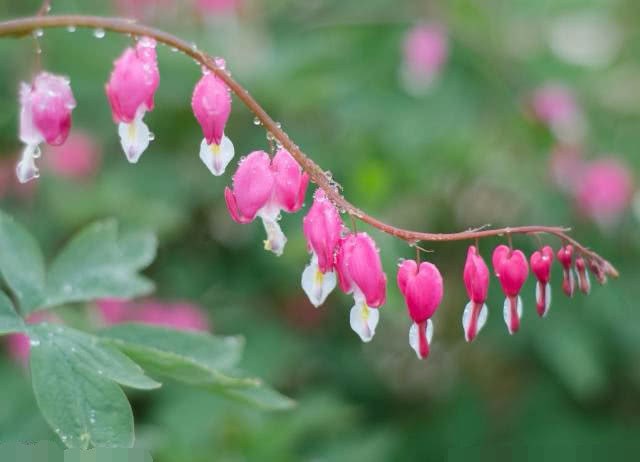
The flower language of the bleeding heart is unpredictable death and desperate love.
Bleeding heart (Dicentra spectabilis) is native to China, Siberia and Japan. It prefers a semi-shaded environment with ample scattered light and is relatively cold-hardy. It is a perennial herbaceous plant with a height of 30-60cm. The above-ground stems are upright, cylindrical, tinged with purplish red, and the rhizomes are fleshy, with small...
-
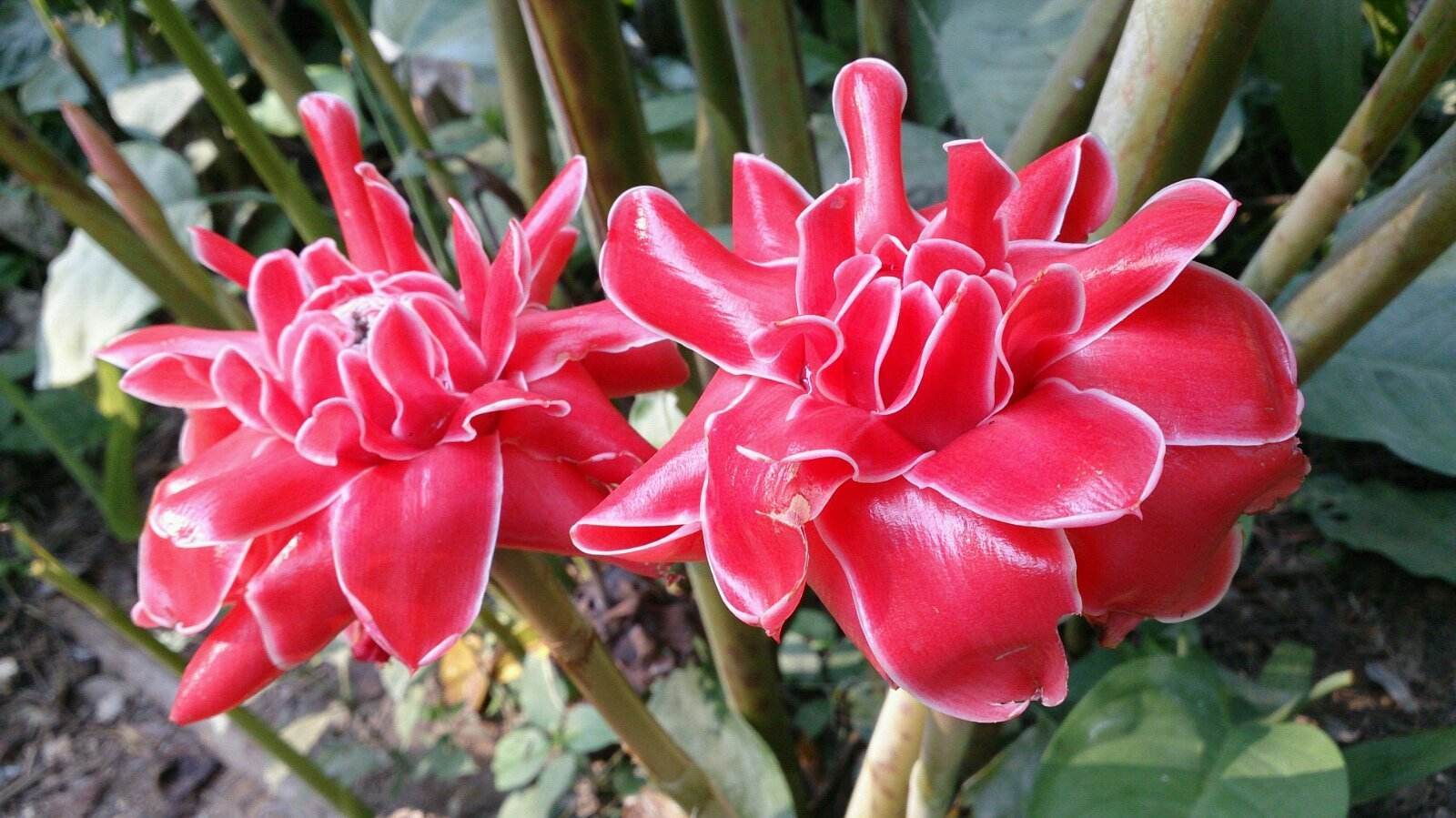
Why the language of flowers of the porcelain rose is unrequited love
The porcelain rose is a perennial herbaceous plant of the genus Alpinia in the ginger family (Zingiberaceae). The plant grows in clumps, with a height of 3-7 m. The leaves are alternate, arranged in two rows, oblong-lanceolate, dark green, smooth, about 50 cm long and about 15 cm wide. The capitulum emerges from the underground...
-
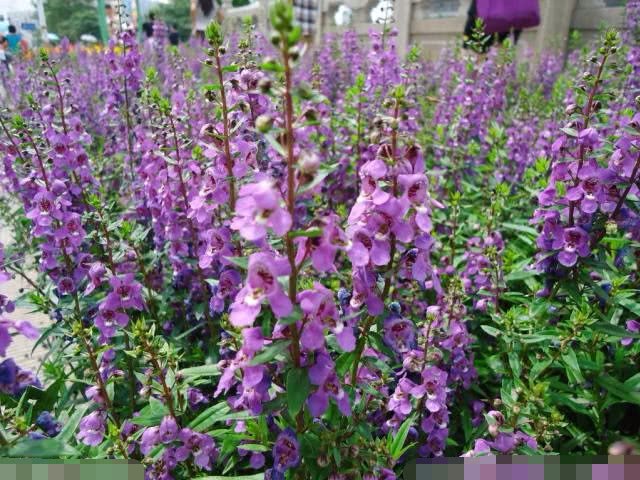
The flower language of the angel flower is innocence and happiness.
The angel flower (also known as Scoparia dulcis of the Scrophulariaceae family) is a perennial herbaceous flowering plant with a plant height of about 30 ~ 70 cm, labiate petals, the upper petals split into four lobes, blooming all year round, most abundantly in spring, summer and autumn, with flower colors of purple, light purple,...
-
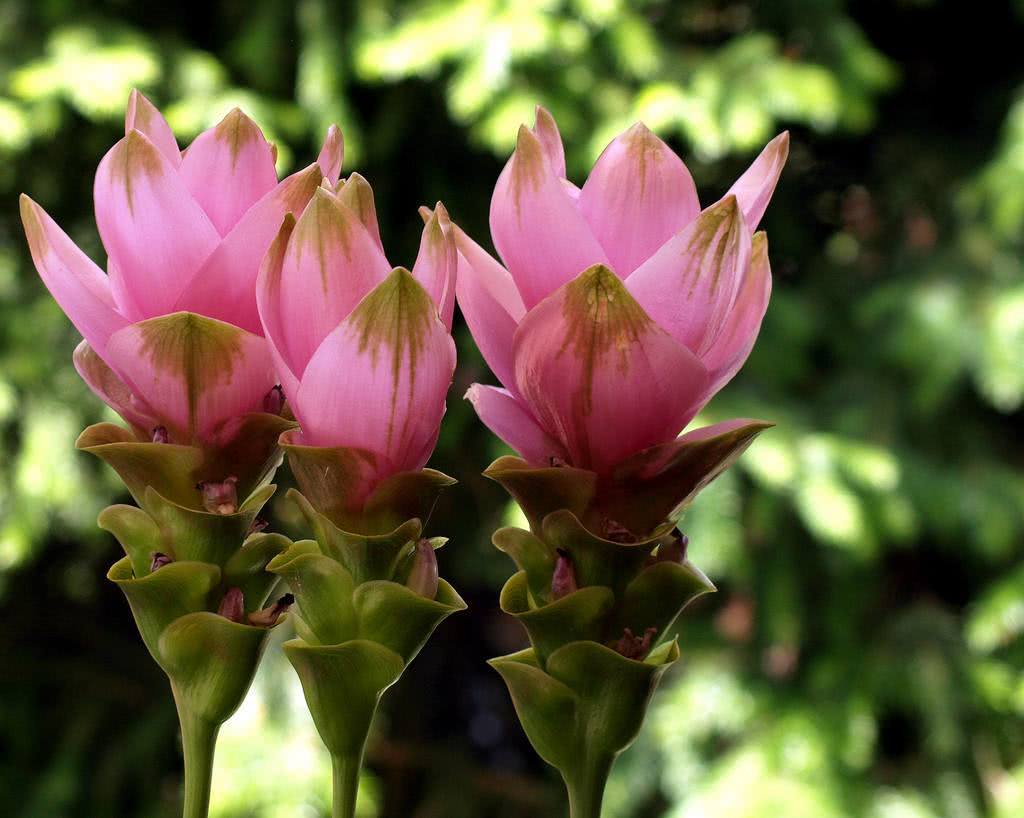
The flower language of the Siam tulip is trust, noble purity and elegance, and tranquility.
The Siam tulip is a perennial herbaceous plant in the ginger family (Zingiberaceae), genus Curcuma, a tropical bulbous flower native to the Chiang Mai area of Thailand, and is mainly used as a Buddhist flower. Because its pink bracts closely resemble a lotus flower and it belongs to the ginger family, it is called "ginger lotus" (Siam tulip). The Siam tulip has a spike...
-

The flower language of Moluccella laevis is unique love; its blossoms are charming and delicate.
Moluccella laevis is an annual or biennial herbaceous plant in the Lamiaceae family, genus Moluccella. The plant grows 50-60 cm tall, with four-angled stems that do not branch. The leaves are opposite, heart-shaped to round, with sparsely toothed margins; the petioles are nearly as long as the leaves. The flowers are white with a two-lipped corolla; the nutlets...
-
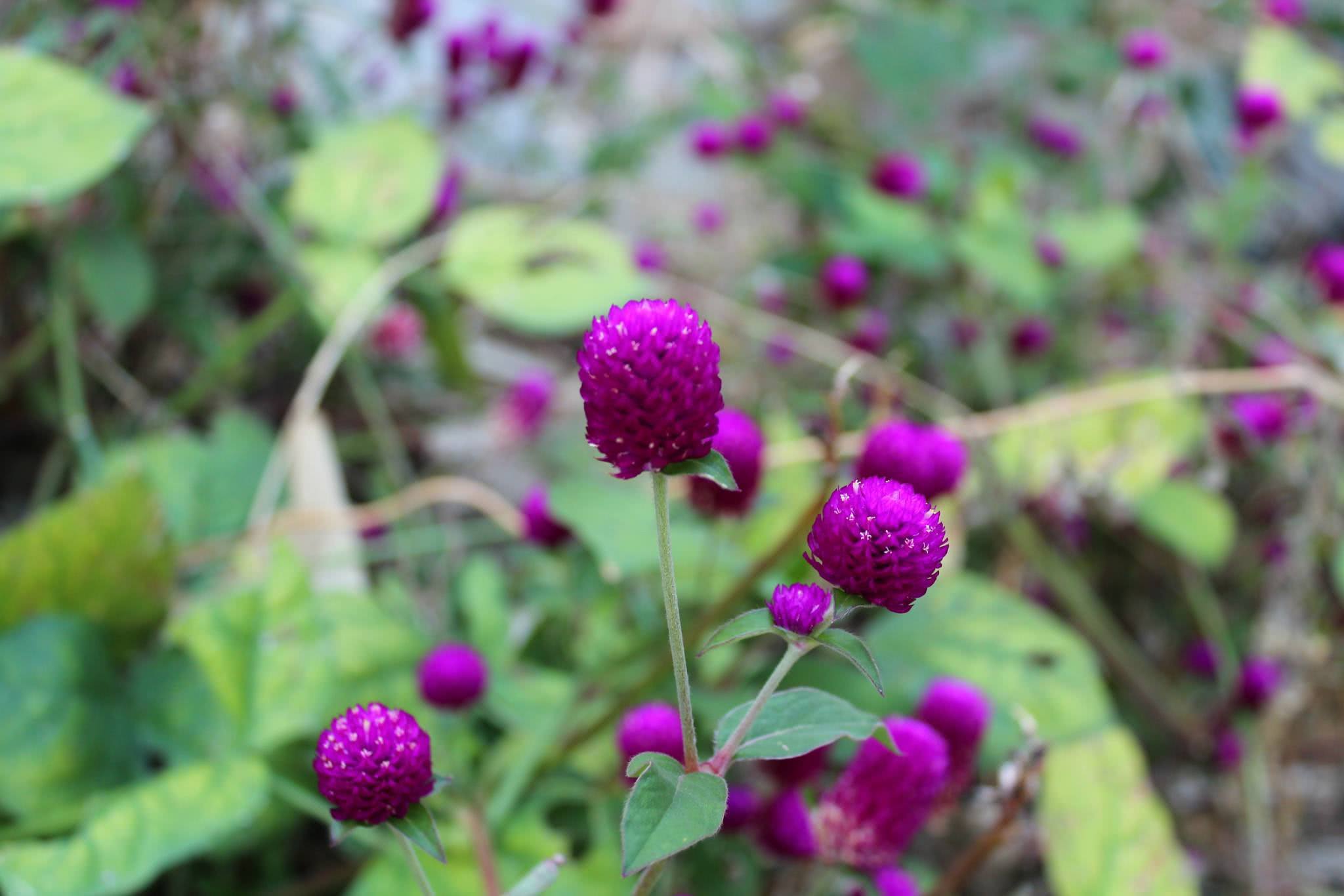
The flower language of the globe amaranth is undying love; its flowers last long without fading.
Globe amaranth, also known as bachelor's button and fireball flower, is an annual upright herbaceous plant in the amaranth family (Amaranthaceae) and the genus Gomphrena, growing 20-60 cm tall; its flowering and fruiting period is from June to September. Its flowers are brightly colored and glossy, and after drying they do not wither and remain unchanged for a long time, which is why it is named globe amaranth (qian ri hong, "thousand-day red"). ...
-
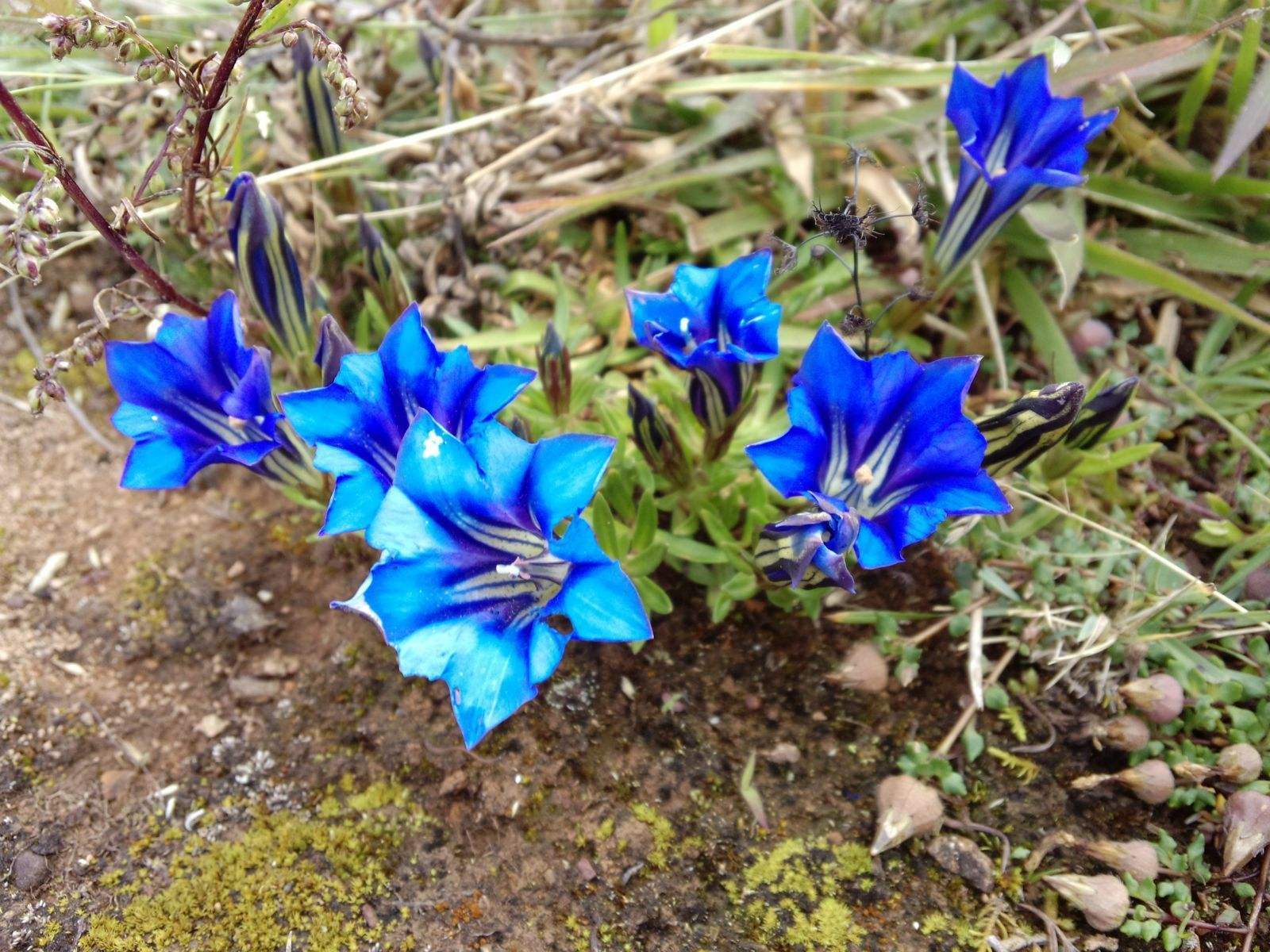
The flower language of gentian is "falling in love with a sorrowful you"
Gentian is a plant of the Gentianaceae family. Perennial herb, 30-60 cm tall; roots yellow-white, rope-like, over 20 cm long. Stems erect, stout, often purplish-brown, rough. Leaves opposite, ovate or ovate-lanceolate, 3-7 cm long, ...
条件筛选