-

How to Grow and Care for Kalanchoe: Key Tips and Common Issues, Causes of Yellow Leaves and Solutions
How do you grow kalanchoe? This article covers kalanchoe growing methods and care tips, including watering, light, temperature, fertilizing and repotting, and analyzes the three main causes of yellow leaves with solutions to help you easily grow a healthy potted kalanchoe.
-
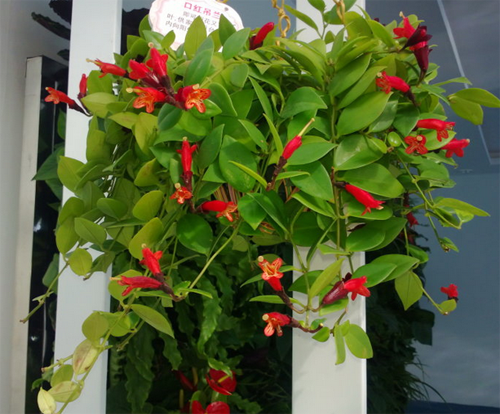
Lipstick Plant Care Guide: How to Grow, Key Tips, Blooming Time and Price
There are many kinds of spider plants, and one of them is the lipstick plant, which is extremely beautiful, with flowers that look just like a person's small cherry lips. What are the care methods and key points for the lipstick plant? When does it bloom? What is the price?
-
Autumn fishing has its finer points: these key tips you need to master
1. Pay attention to weather conditions: Autumn seine fishing must be done on a sunny day, when the weather is cool, around dawn before the pond fish surface for air, because at this time the impact on the pond fish is smallest, and the freshly caught fish can be supplied to the morning market in time. Hazy, muggy weather is not suitable for seine fishing, to avoid causing a large number of dead fish. In addition, when the pond fish are surfacing for air or there is fish disease, etc., it is also not suitable to seine and catch them. 2. Restrict feeding before catching: After fish eat their fill, their oxygen consumption increases, and when the net is drawn to catch them they will be startled, jump and dart away, which easily causes death
-
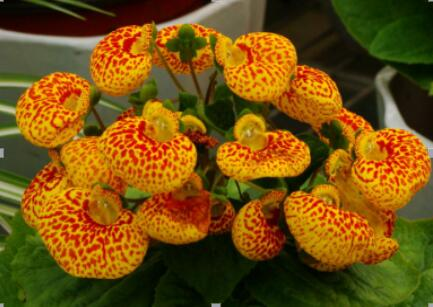
How to Grow Pocketbook Flower (Calceolaria) at Home and Key Care Tips
1. Sowing Time The seeds of Calceolaria are tiny, with about 25,000 seeds per gram, and the optimum germination temperature is 18-21°C. Therefore, Calceolaria should be sown when the weather turns cool after the hot season, that is, from late August to early September. Sowing too early when temperatures are high makes seedlings prone to damping-off and rot.
-
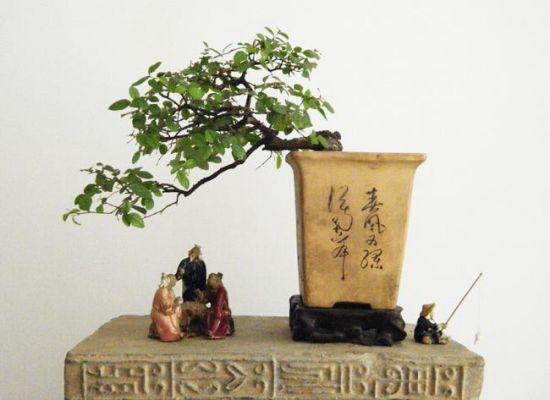
How to grow Sageretia thea (Chinese sweet plum)? Master these five key care tips
Water: There is a bit of finesse to the water used for Sageretia thea care. Natural water such as river water, pond water and rainwater is best. If using tap water, it should be stored for one or two days so the chlorine can evaporate. Water left over from washing clothes, and water containing grease or salt, must never be used. Fertilizing: Sageretia thea should be fertilized in moderation; too much fertilizer makes the branches and leaves grow excessively.
-
-
How to Grow and Care for the Red-Backed Prayer Plant (Stromanthe sanguinea) with Key Tips
Soil: The red-backed prayer plant (Stromanthe sanguinea) prefers loose, fertile, moist, well-drained acidic soil. For container growing, use an equal mix of leaf mould, garden soil and river sand with a small amount of base fertiliser as the potting medium; the soil should be nutrient-rich, loose and airy. Watering: The red-backed prayer plant is not drought-tolerant, so it needs plenty of water during the growing season.
-
Dracaena: How to Grow It at Home and Key Care Tips
Soil: Dracaena is highly adaptable and not demanding about soil, but it grows best in loose, fertile, well-drained, slightly acidic soil. You can grow it in a mix of loam rich in humus from under pine and cypress trees blended with river sand, or a mix of leaf mold and river sand. During cultivation, Dracaena
-
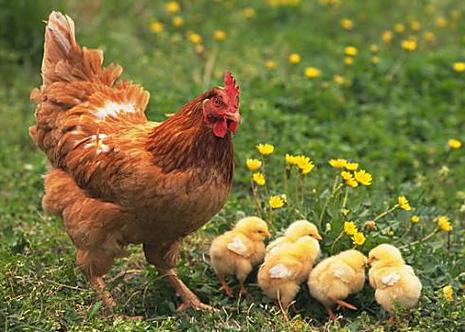
Key Points and Practical Tips for Restricted Feeding of Breeding Chickens
Key Points of Restricted Feeding for Breeding Chickens, Tips for Restricted Feeding of Breeding Chickens
-

Cultivation methods and key technical points for asparagus bean tips
Cultivation methods for asparagus bean tips
条件筛选