Things to keep in mind when applying potassium fertilizer: remember these points
In today's agricultural crops, the use of fertilizer is very important. Nitrogen, phosphorus and potassium are all indispensable for crop growth and development, otherwise it will cause poor crop growth and development or reduced yield. With the promotion of soil testing and formulated fertilization technology, most people have some understanding of potassium fertilizer application, but there are still many issues to pay attention to when applying it. Let's take a look together.
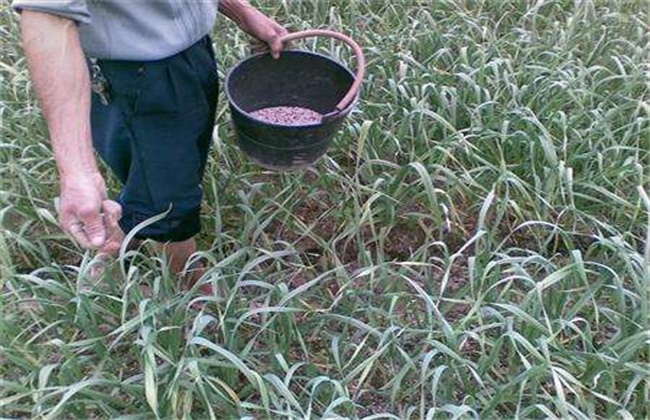
1. Apply according to the soil
Potassium fertilizer should first be applied to plots with severe potassium deficiency. In terms of soil texture, sandy soil has relatively low potassium content, so potassium fertilizer should be applied more; while clayey soil often has higher potassium content, so it can be applied less or not at all. For soil that is deficient in both potassium and sulfur, potassium sulfate can be applied, but on saline-alkali land, potassium chloride should not be applied more, as it may deepen the degree of soil salinization.
2. Pay attention to the fertilization period
When to apply potassium fertilizer is also a matter of knowledge. Generally, potassium fertilizer should be applied early and can be applied together with base fertilizer. For soil with poor fertilizer retention capacity, it can be applied in appropriate amounts in several split applications to reduce the loss of potassium. For example, corn's absorption of potassium fertilizer is mainly concentrated in the seedling stage, and by the heading stage it basically no longer absorbs it.
3. Pay attention to the application amount
Scientific application of potassium fertilizer can increase crop yield, improve crop quality, and enhance crops' resistance to lodging, disease and drought. However, there is a limit to the application of any fertilizer. If too much potassium fertilizer is applied, it will not only cause waste, but also cause physiological diseases such as yellow leaves and dry heartburn, and may even affect yield and quality. Different crops have different demands for potassium fertilizer. Watermelon and fruit trees have relatively low demand for potassium fertilizer, while crops such as peanuts, soybeans and potatoes do not have a high demand for potassium.
4. Pay attention to the application method
When fertilizing, attention should be paid to the rational use of nitrogen, phosphorus and organic fertilizer. To ensure normal metabolism in crops, various nutrients must be kept in relative balance. Potassium fertilizer interacts with many fertilizers, among which it has a complementary effect with nitrogen fertilizer. Organic fertilizer can also adsorb potassium ions and prevent fertilizer loss. In addition, the current utilization rate of potassium fertilizer in China is low. To improve the utilization rate of potassium fertilizer, it must be used rationally, because potassium fertilizer is easily fixed on the soil surface, so when fertilizing, try to apply it at the roots so that crops can absorb it.
The above introduction to precautions for applying potassium fertilizer is hoped to help you. If you want to learn more related knowledge, please follow us.