-
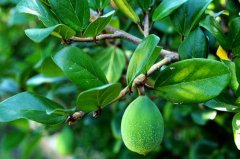
What is jelly fig (Ficus pumila var. awkeotsang) and how is it grown, and what new variety seeds are available?
Where does jelly fig usually grow, and can it also be planted at low altitude? Let's take a look. What characteristics does it have? It seems jelly fig has been bred into new seeds, so let's find out about that too. Jelly fig is a plant unique to Taiwan, mainly divided
-
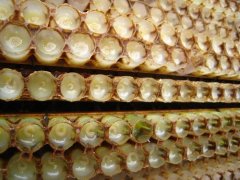
Is China's royal jelly production high, and how can royal jelly production be increased?
Nowadays more and more people are keeping bees, and at present we want to increase royal jelly production, which is an important guarantee for improving the economic benefits of beekeeping. So how should royal jelly production be increased? Do you know? 1. Build up strong colonies so that the bee colony strength for royal jelly production reaches
-
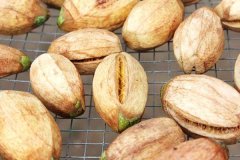
Taiwan-endemic plant jelly fig (Ficus pumila var. awkeotsang) pictures and characteristics, how to tell processed aiyu jelly apart?
In the scorching summer, the jelly fig looks and is about the same size as the Taiwan native mango. Many people love a bowl of icy aiyu jelly to cool off and beat the heat. Natural aiyu jelly is rich in dietary fiber and enzymes, healthy and delicious; but did you know that 90% of what is sold on the market is processed aiyu jelly?
-

How to Propagate Sedum rubrotinctum (Jelly Bean Plant)? A Detailed Guide to Common Propagation Methods
Sedum rubrotinctum is a fairly common succulent plant, and many succulent enthusiasts like to keep a pot of it, so how do you propagate Sedum rubrotinctum? 1. How to propagate Sedum rubrotinctum? Usually the cutting method is used, and both stem cuttings and leaf cuttings work. For stem cuttings, you can use
-
<strong>How to Propagate Sedum pachyphyllum (Jelly Beans Succulent): Watering Tips</strong>
Sedum pachyphyllum (Jelly Beans) is a succulent that does not like to grow in clusters, so it usually grows as a single, independent plant and rarely produces side shoots. Therefore, when it comes to propagating Sedum pachyphyllum, the available options besides sowing seeds are only leaf cuttings and beheading cuttings. So how
-
How to Grow Sedum rubrotinctum (Jelly Bean Plant) So It Quickly Fills Its Pot? Growing Methods and Precautions
Mastering succulent growing methods can help everyone provide a better and more suitable growing environment for succulents when planting them, and then promptly solve the problems faced during succulent cultivation. Sedum rubrotinctum is a very distinctive succulent. To grow Sedum rubrotinctum
-
How to keep jellyfish? What food is best to feed them
Jellyfish are beautiful marine aquatic creatures, shaped like a transparent umbrella, very beautiful. If groups of jellyfish gather together, it is surely a stunningly beautiful scene. People who have seen jellyfish may all have a question, because they have never seen a jellyfish's
-
How do you care for the small jellyfish bought by the roadside or at an aquarium?
Surely everyone has had the experience of traveling to the seaside, right? I wonder if you have ever seen this scene: at these scenic spots, small jellyfish are often displayed by the roadside for sale, and most people probably cannot resist buying one. But after buying them, they find they do not know how
-
Is the Red Moon Jellyfish Poisonous? Breeding Methods and Characteristics
Summary First prepare seawater; after preparation it must sit for 24-48 hours before it can be used for the Red Moon Jellyfish. After that, change about 1/5 of the seawater each week, clean the particles on the filter cotton every 2-3 days, feed once every 2-3 days, and routinely observe the water quality to prevent bacteria from breeding. When it comes to jellyfish, surely
-
How to keep freshwater jellyfish (Craspedacusta)? Are they poisonous? Explained clearly in one article
Summary Environment: Add seawater to the aquarium; for natural seawater, a jellyfish protectant needs to be added, and it should be left to settle for about 24 hours before use. For artificial seawater, add artificial sea salt to purified water at a ratio of 1:0.032; seawater salinity is generally 3.5%. Management: Starting from the 2nd day after entering the tank
条件筛选